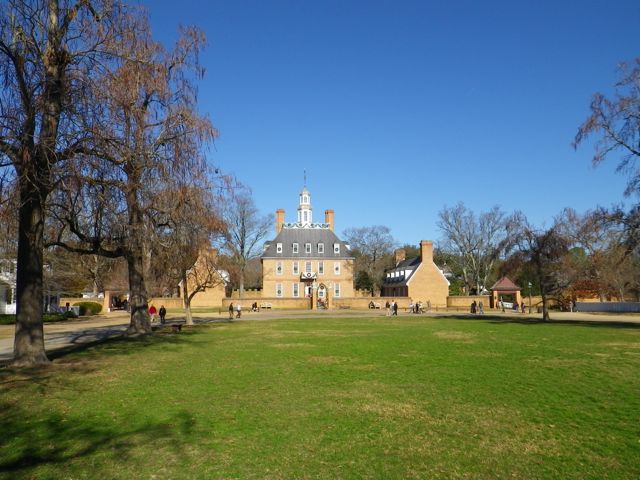
It was getting close to quitting time as I left the Capitol and meandered my day down the other side of the main street to catch a few more exhibits before heading to the museums. The light was already starting to fade and it was getting quite (and surprisingly) cold out.
I still had lots to see, though, and I didn’t hurry my way through the next exhibits, taking the time to ask questions and look at demonstrations. None of these were tours, hence why it was possible to get in and out fairly quickly and see so much in a short amount of time.
-

- Wigs were fashionable in the late 19th century. Different colours and styles could represent different jobs. Everyone wore white wigs for evening events because it made them look best by candlelight.

-

- The wig maker said it is a myth that people wore wigs because of lice problems.

-

- the wig maker’s shop

-

- On the top shelf are wigs with a bald spot for clergy. The grey wigs were for lawyers.

-

- Exiting the wig maker’s shop.

-

- In the 18th century, the word for wig was the same as the French word, perruque (albeit spelled differently)

-
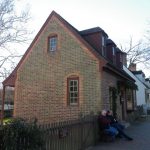
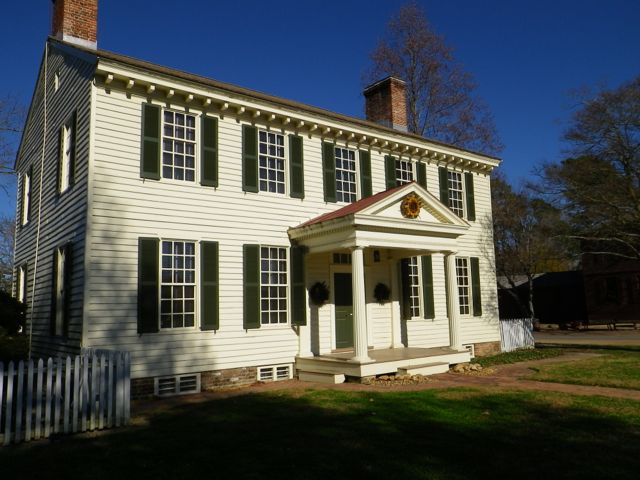
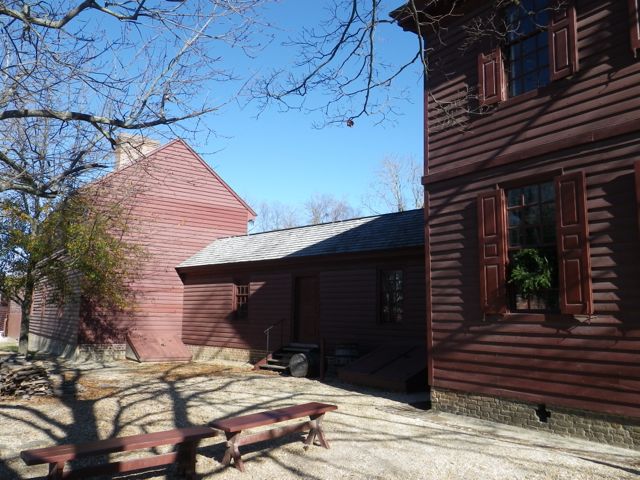
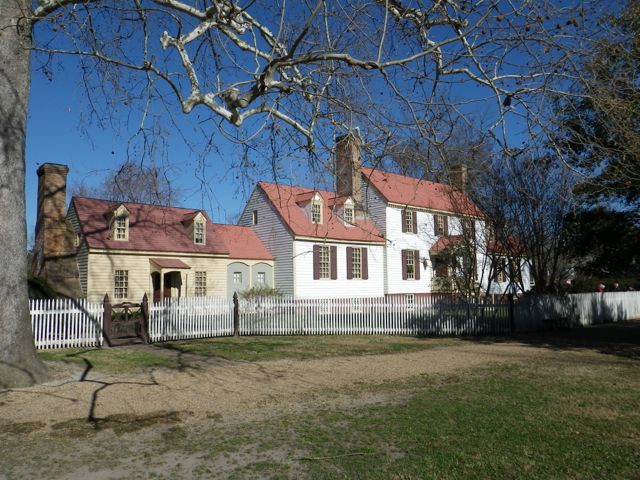
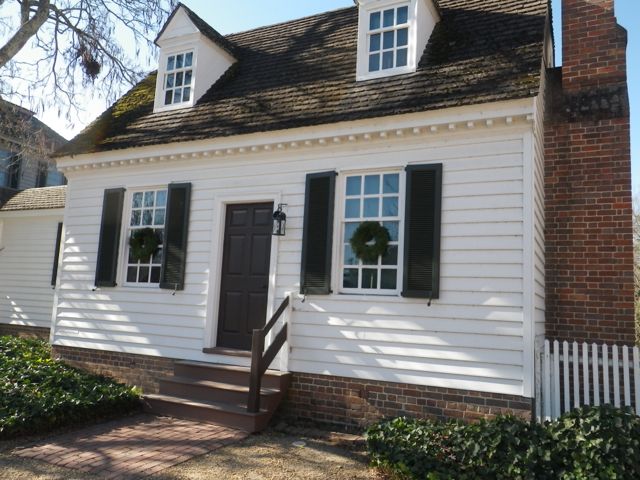
- I liked this cozy cottage that appears to be two apartments. It’s next to the armory and blacksmith.

-

- Entering the armory, you see this building.

-

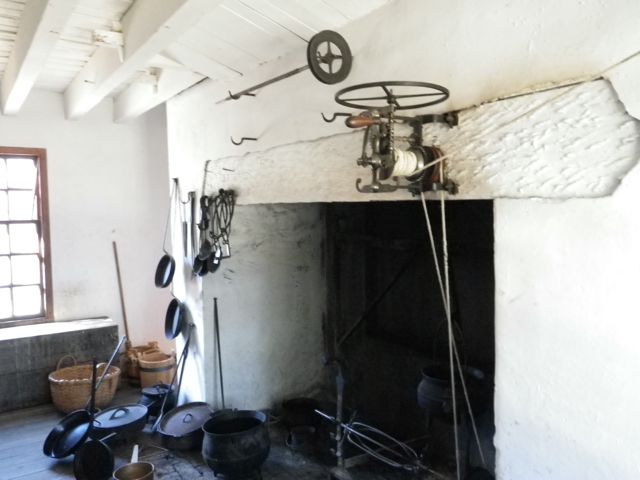
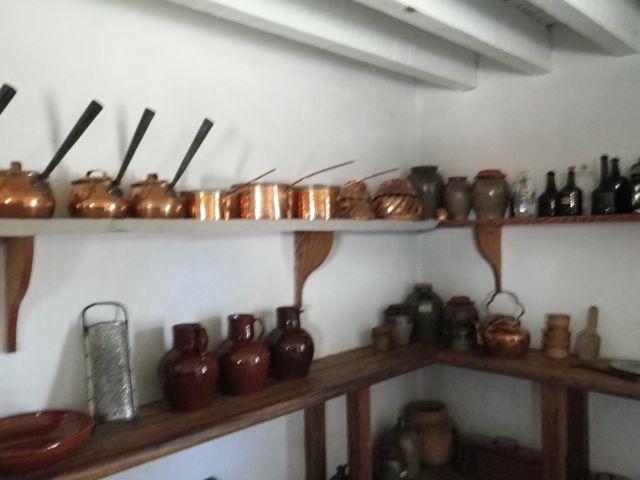
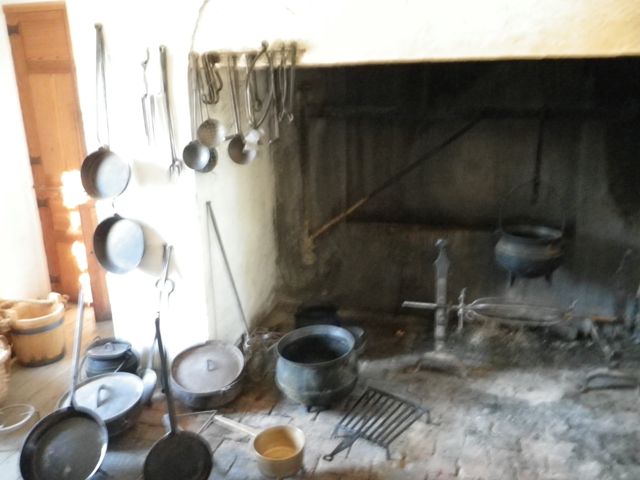
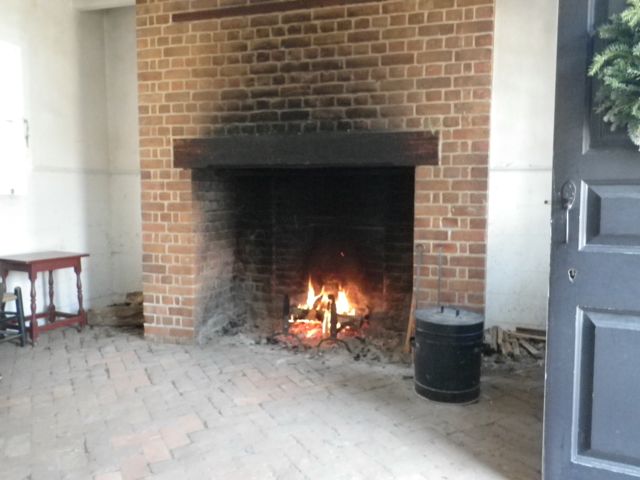
- It looks like a working kitchen.

-

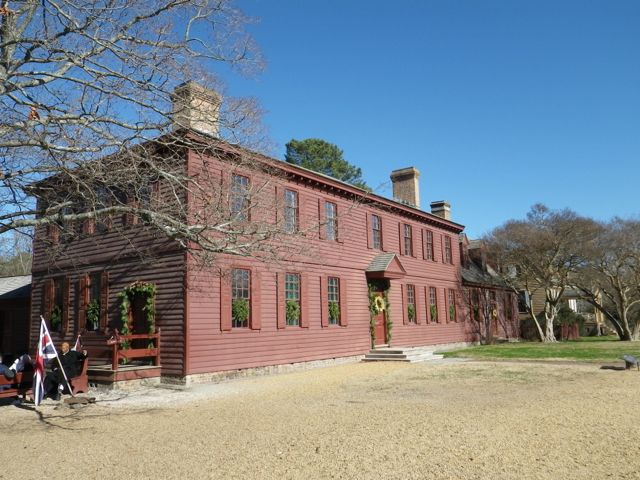
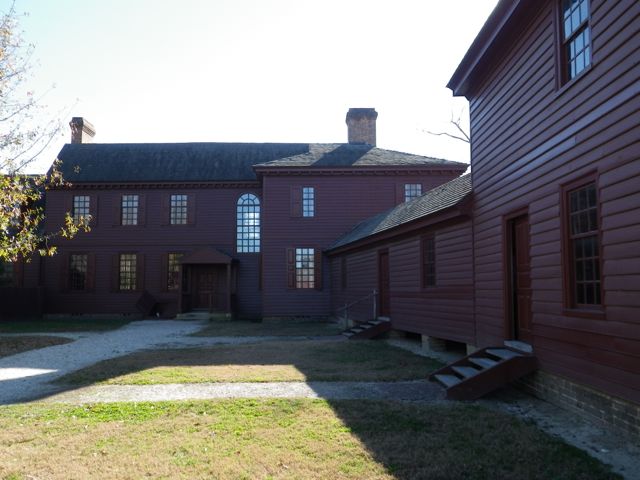
- The courtyard of the armory. The building used to be a tavern, then it was expanded as barracks with the armory and blacksmith in the rear.

-

- The folks out here are making food to feed the armory staff who mostly repaired rather than manufactured weapons.

-

- One of the many forges in the blacksmith shop.

-

- A blacksmith hard at work.

-

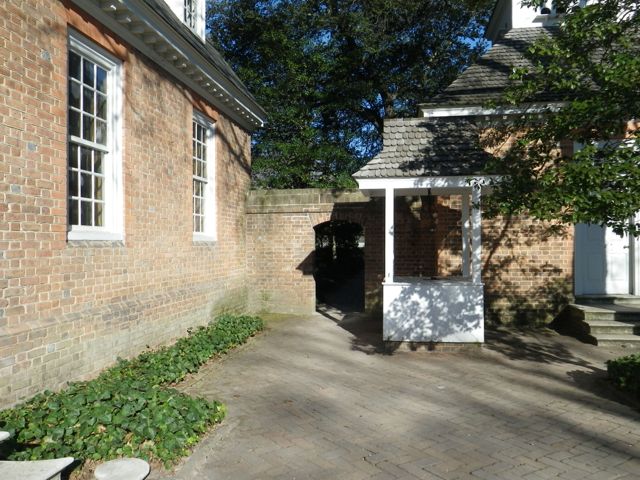
- The rear of the cozy cottage.

-

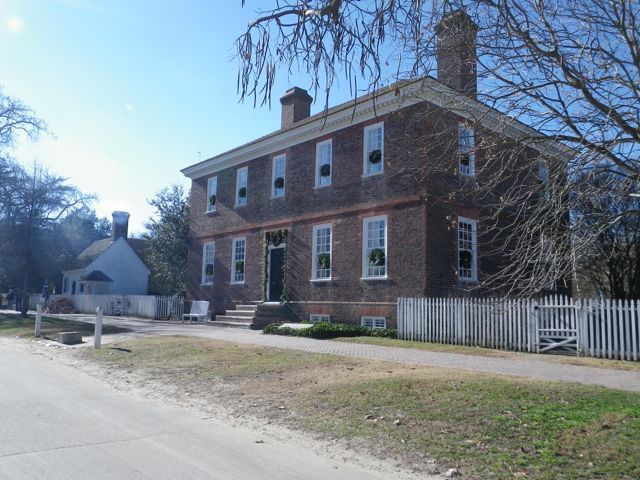
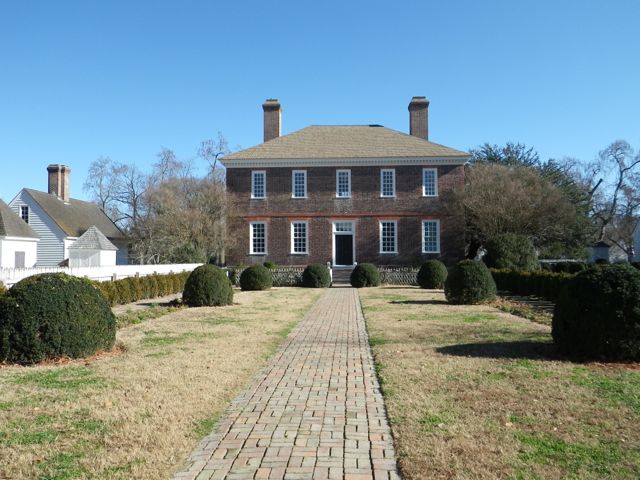
- A stately home.

-

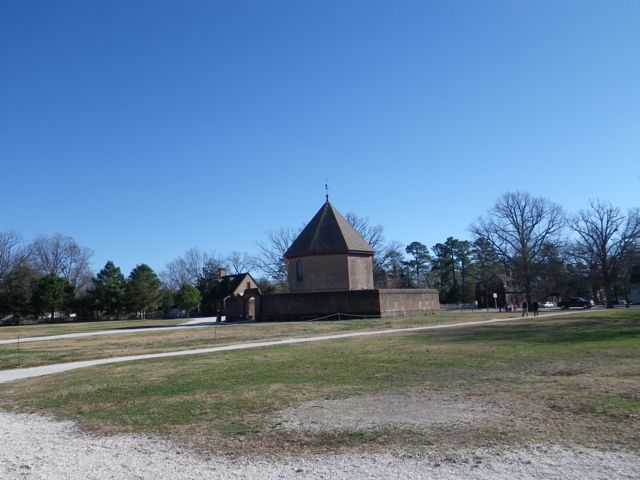
- The magazine, where armament was store.

-

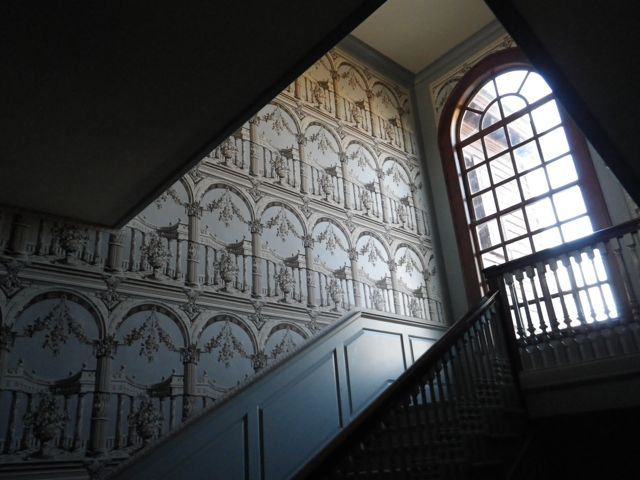
- Staircase leading up into the magazine.

-

- We could not go further up the staircase.

-

- This interpreter gave an excellent demonstration on how the rifles were fired.

-

- Lots of guns.

-

- More military supplies.

-

- Inside the shoe maker’s shop. I came in right at the end and did not catch the difference between the shoemaker and the cobbler. I did learn that the most difficult thing is to make the second shoe match the first!

-

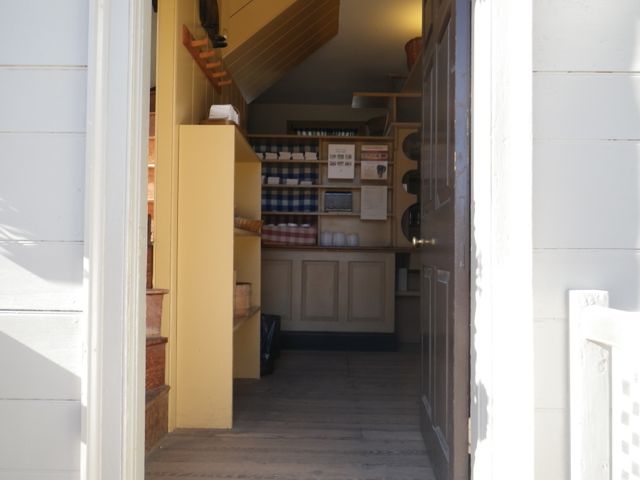
- Inside another shop where you can buy souvenirs found in any of the other shops, I find this mix for piri-piri peanut soup. Huh? AH! It’s the type of chili I saw growing at the Hopes plantation!

-

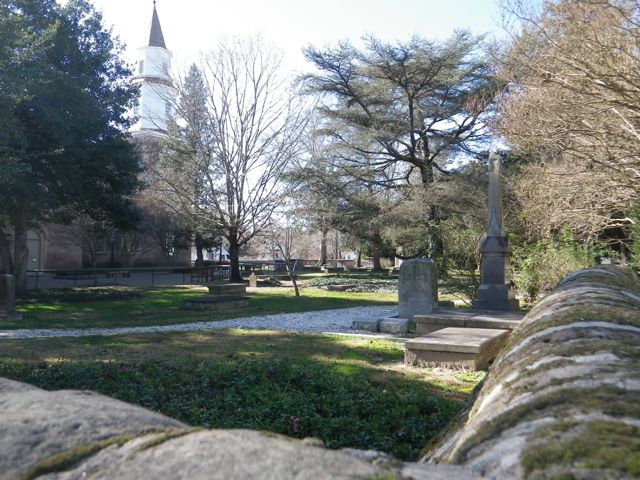
- The church.

-

- At the nursery, there were whistles for sale. This sign states in 18th century language that those with communicable diseases should not blow the whistles.

-

- Lots of lovely stuff growing in the nursery. I heard someone gleefully pointing out a big head of spinach.

-

- Dye samples in the weaver’s shop. A weaver would not be a dyer and vice versa. Dyers could create any colour once, but could not match colours. I asked how the colours were made and got an excellent explanation. Red comes from the cochineal South American insect. Yellows, come from turmeric. Brown is from walnut. Oranges and brick red come from the madder plant. Purples and blacks come from indigo. I don’t remember the rest.

-

- The weaver’s shop had looms.

-

- More dye samples.

-

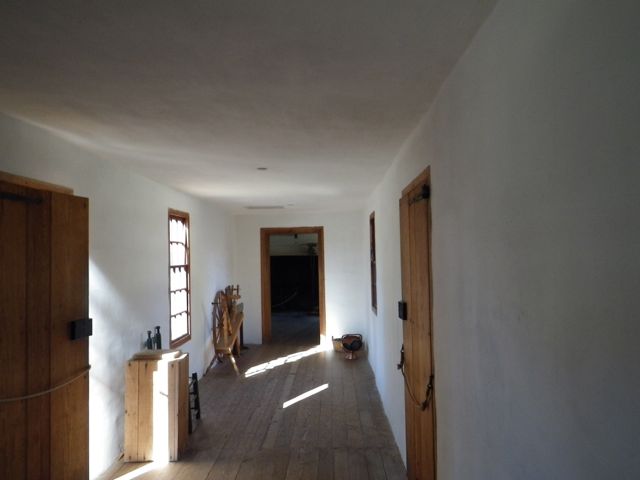
- There were also spinning wheels.

-

- Ladder leading upwards, perhaps to living quarters.

-

- Exterior of the weaver’s shop.