It took 8.5 years of living on the Yucatán peninsula to finally visit the UNESCO World Heritage site that is the Mayan pre-Hispanic city state of Chichén Itzá. It seemed to be the perfect time to do so, with my own transport, some familiarity with the context, and enough Spanish fluency to use a local guide to overcome some of the site’s flaws are reported to by friends and family who have gone there.
Driving a rental car I’d picked up the day before, I left Mérida early on a Sunday morning to beat the crowds and the heat, arriving to the entrance of the village of Pisté, gateway to Chichén Itzá, at about 9:30.

Cars were being stopped at the entrance. I cannot remember if it was police or regular folks with tourism badges, but they were directing anyone who was coming to Chichén Itzá, especially for the first time, to pull over and get instructions and directions, a free service. I did so and was promptly offered my own personal guide who would ride ahead of me on a moto, take me to parking, help me navigate the entrance, and then give me a personalised guided tour. This service was 900 pesos, in line with what I’d been told a private guide would cost. I was supposed to get free access to the site on a Sunday as a permanent resident, so my plan had been to see if that was the case, then get a private guide, and if not, I’d join a tour group at a lower cost. Since I liked the idea of being able to follow someone to the entrance, I decided to take a chance that my free entry as a PR would be honoured (many sites don’t follow this law) and accepted the guide, Pablo. As I was about to hand over money, I was asked if I’m a local, and, if so, to show proof so they could charge me only 700 pesos!
My instinct to accept the guide was spot on. Pisté was busy and the entrance road a bit chaotic. It was great to be able to focus on driving, not navigating. We went past several non-official parking lots, each one a bit more expensive than the last as we got closer to the entrance. At one marked 80 pesos, Pablo suggested I park instead of waiting in the queue to access the official lot at 120 pesos. I was a bit nervous about being boxed into a very rough-looking dirty and rock lot full of trees, but did like that I was being directed to park under shade. As it would turn out, these parking operators weren’t greedy and left plenty of space for folks to maneuver out safely.
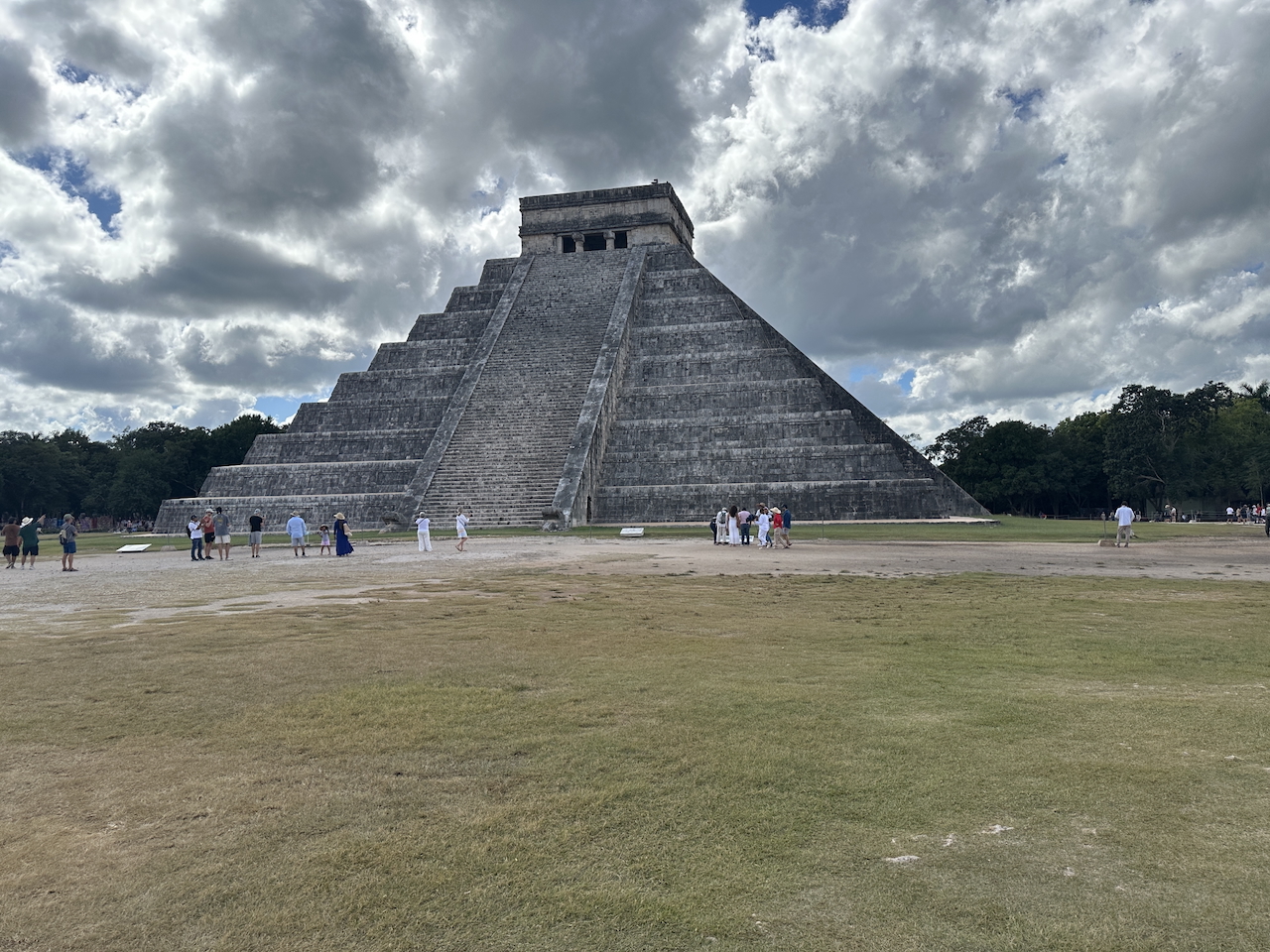
There were several steps to entering. The first is where you get a ticket. I showed my residency card and was given a free ticket without any fuss. I then had a stop where the ticket was verified and my ID checked again. Then my ticket was torn and I was given access to the site, where this immediately greeted me:
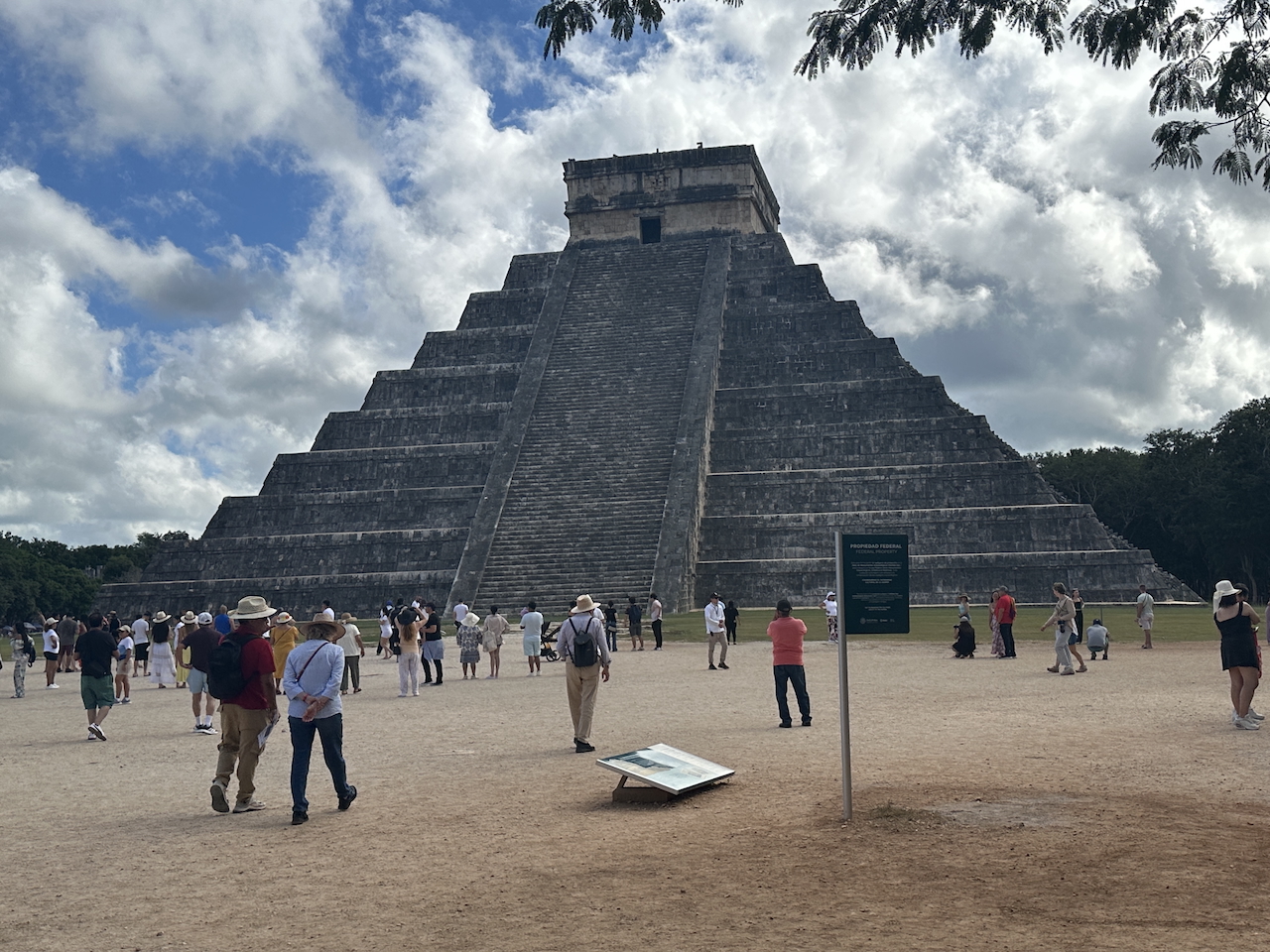
They call it El castillo — the castle — not the pyramid.
Pablo ended up being the perfect guide for my visit.
I already knew a lot about the archeology of these sites, and I wanted more context, so Pablo did a tour that had actually very little to do with the buildings themselves and a lot more to do with the history of Yucatán and the Mayan civilisation.
I learned how the Maya weren’t really an organised group the way the Aztecs and the Inca were, and that they were a lot more peaceful and weren’t really about expanding their territories through war, but rather more in search of agricultural land. We also talked a lot about the mixing of cultures and migrations and evidence of all of this in carvings around the site.
We went over the caste war for ages, as that is really significant in the history of Yucatán. He gave me some really good resources to really put everything together for me as I have these little tiny unconnected bits of the local history.
We talked about how the meteorite that killed the dinosaurs is what caused the formation of the cenotes here in the peninsula!
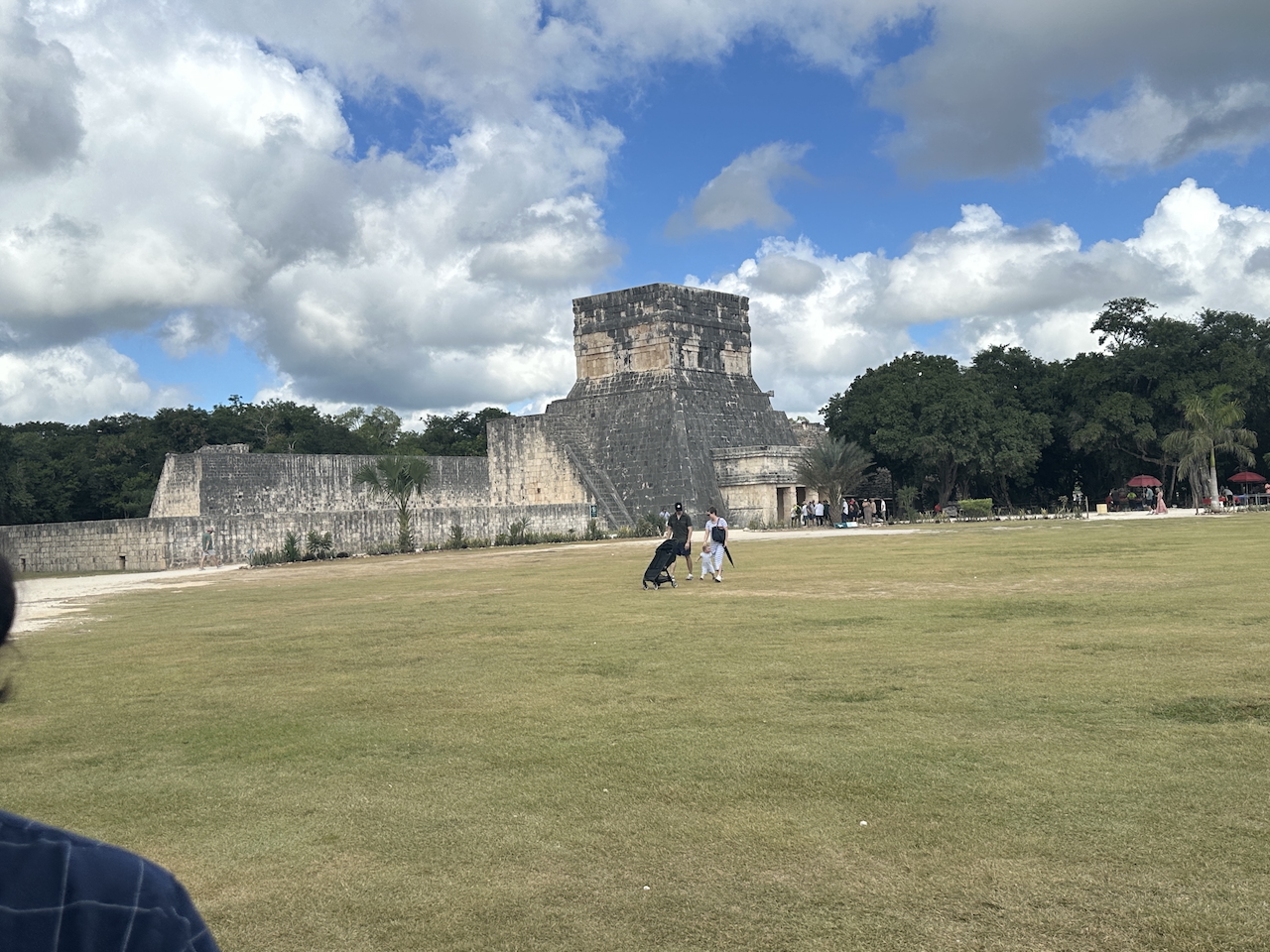
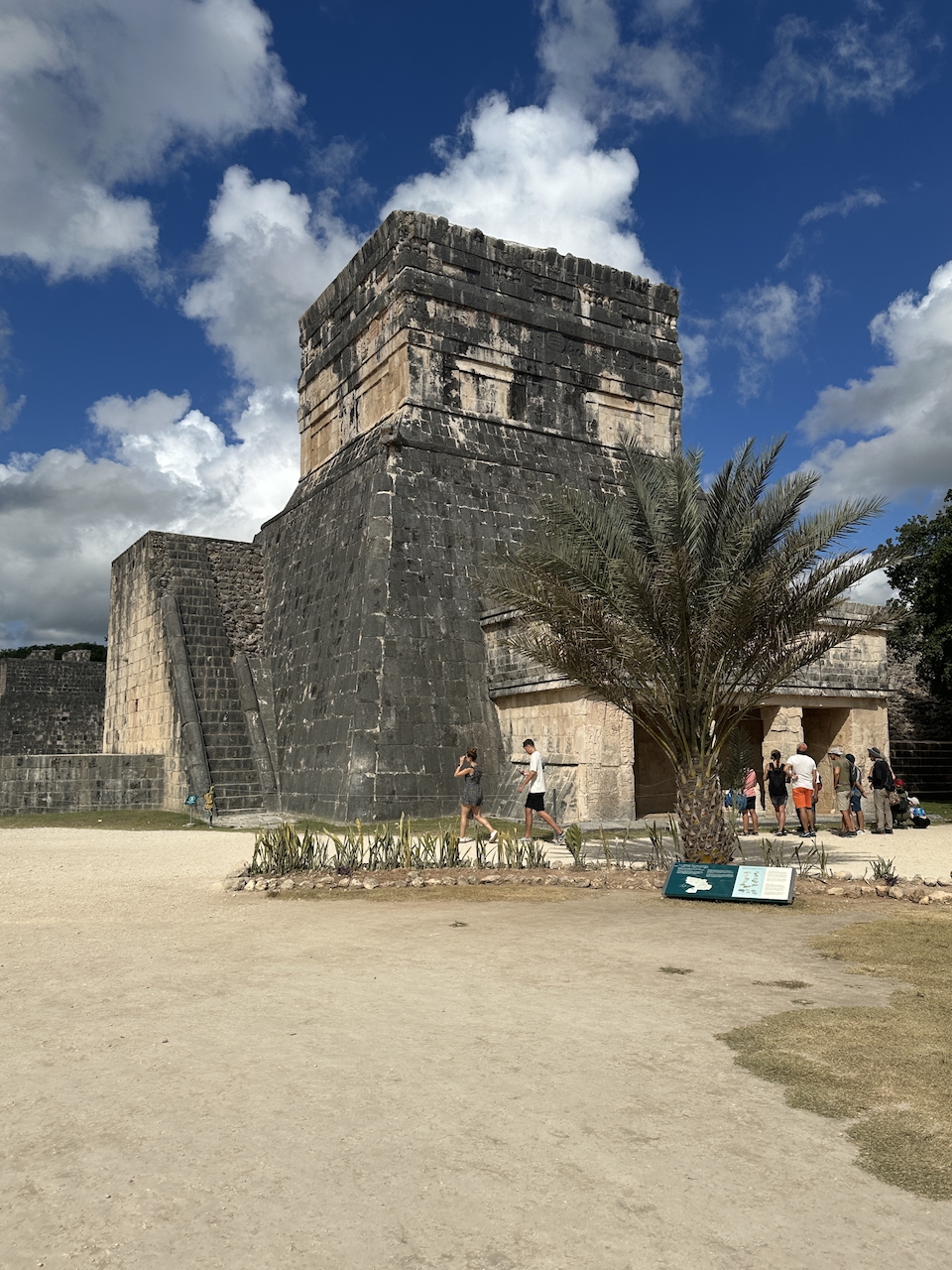
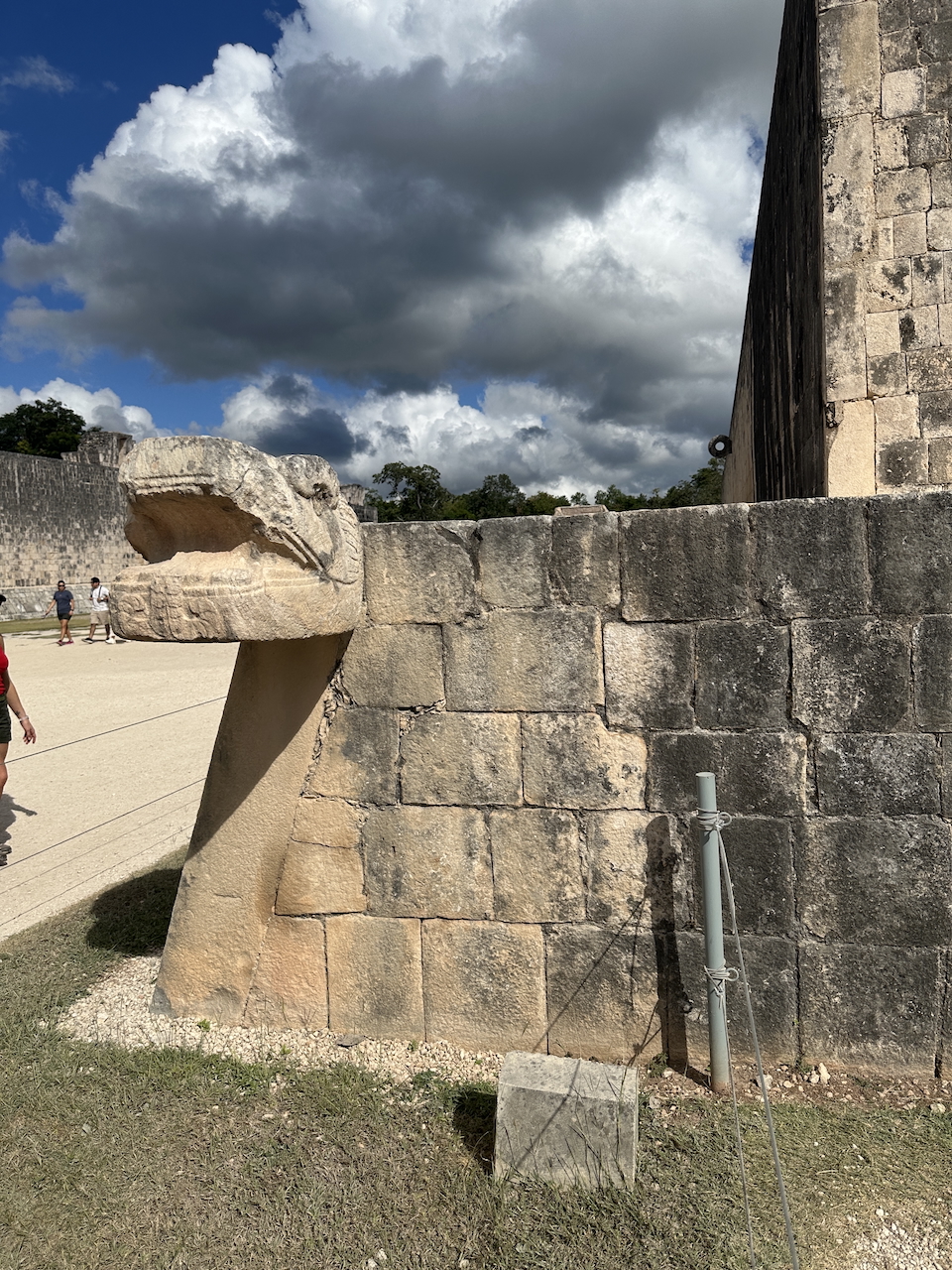
I’d seen several of these ball courts before, and he explained how the players were able to get the balls in these exceptionally high hoops using just a hip thrust!
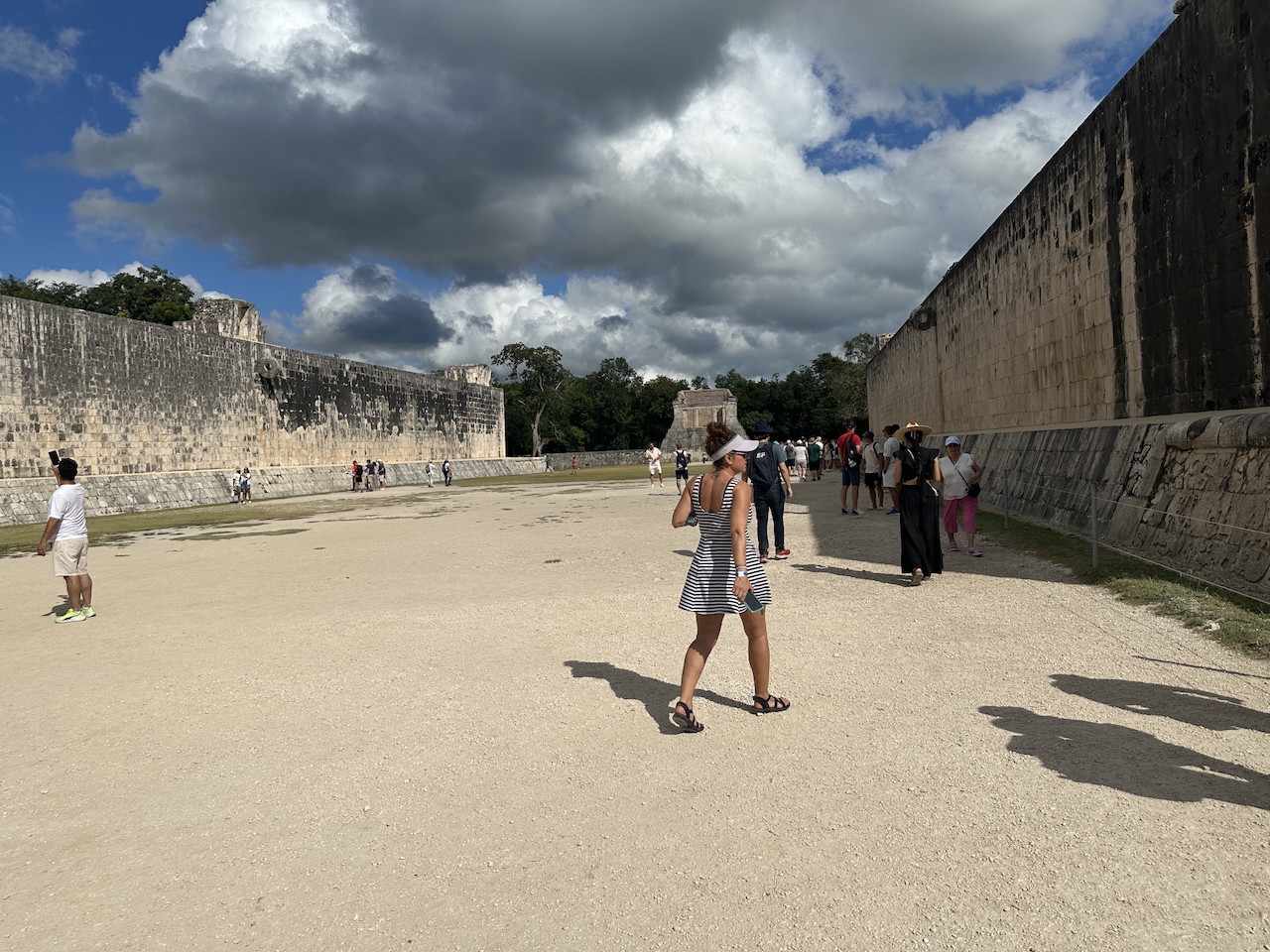
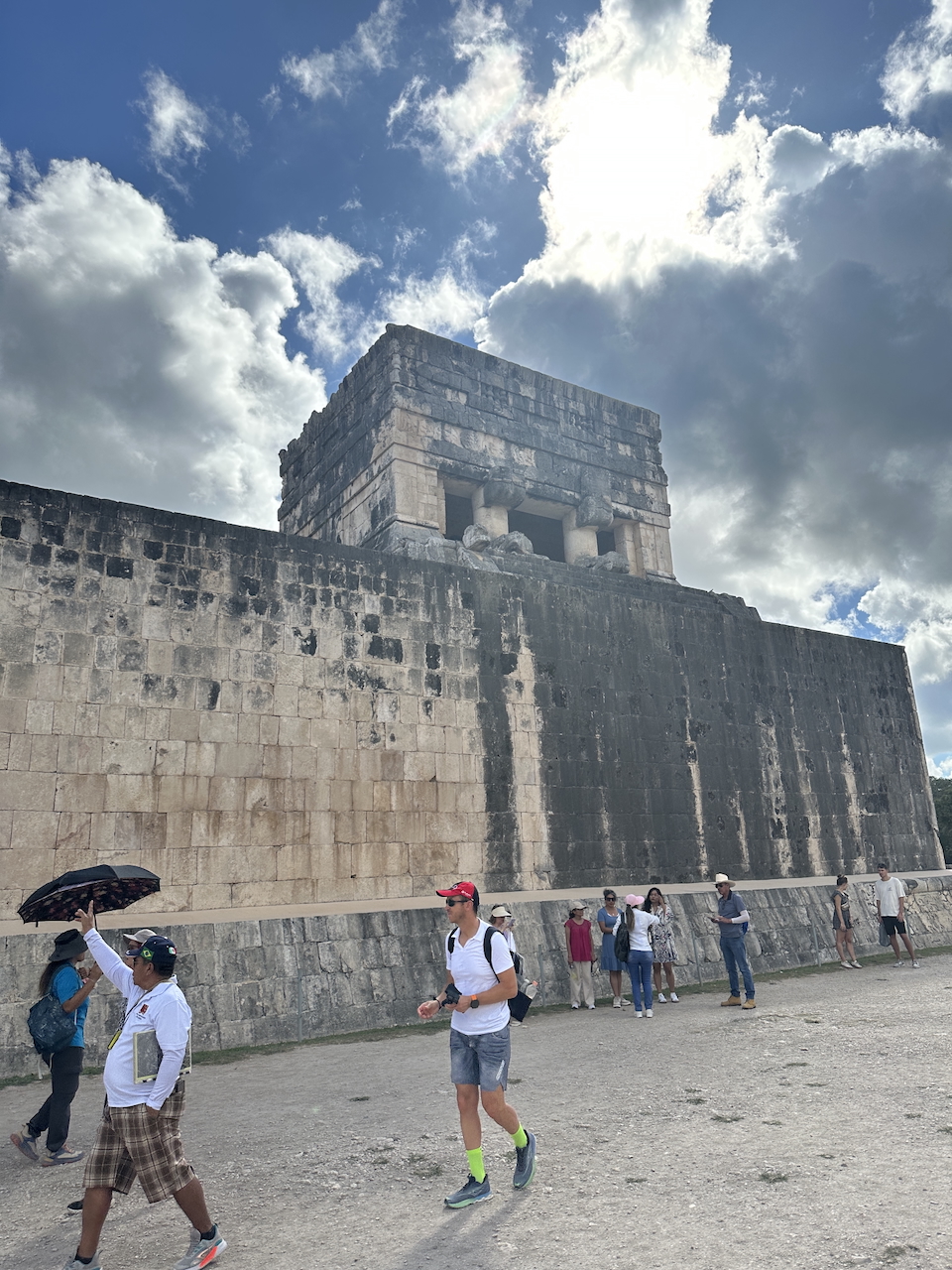

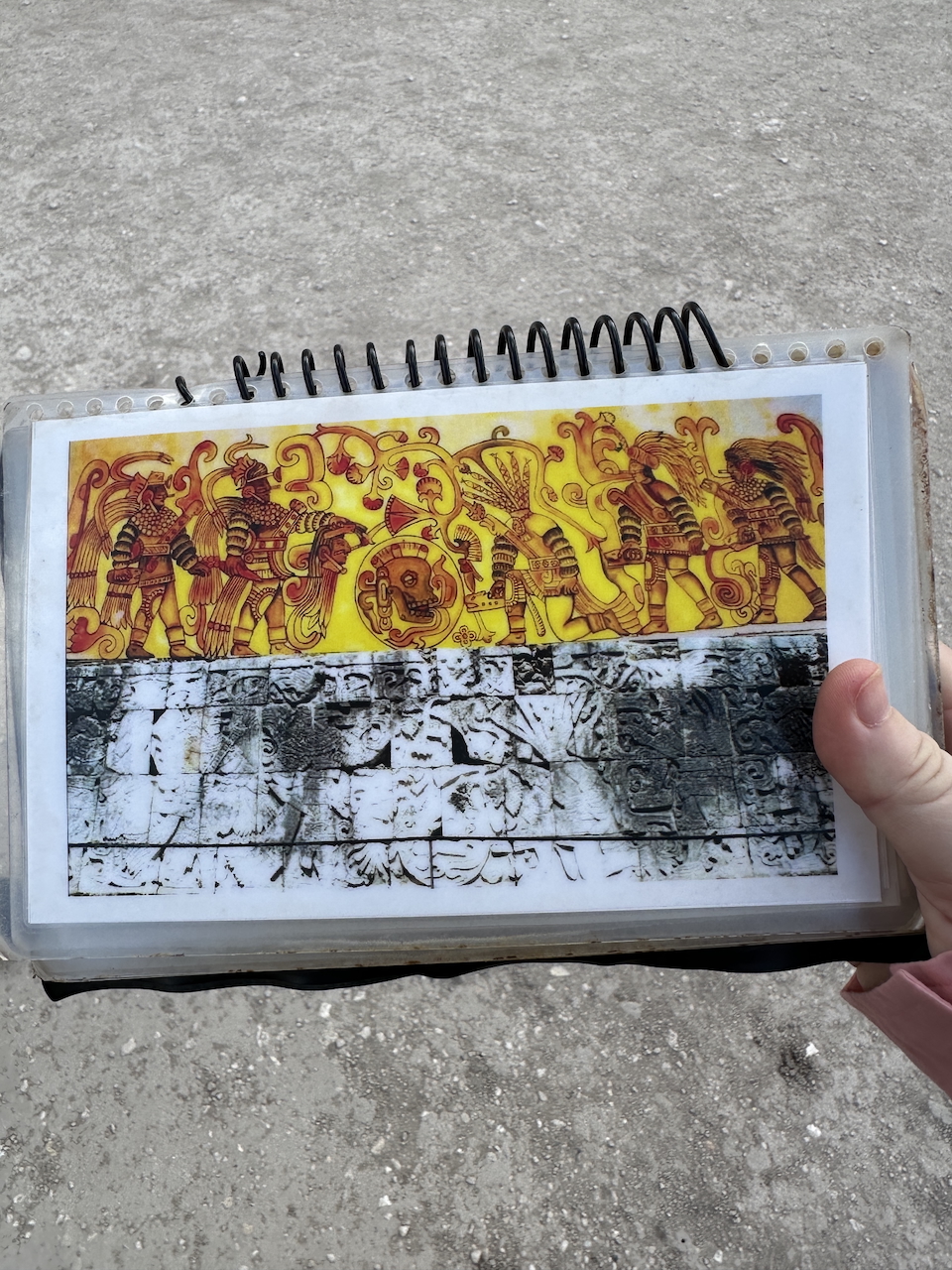
But we did also talk about the buildings and their construction. He demonstrated a couple of spots with acoustic tricks. Standing here, he could yell and you could hear the sound clear across the ball court. This is not an echo but waveguide acoustics, the same principle as a “whispering gallery.”

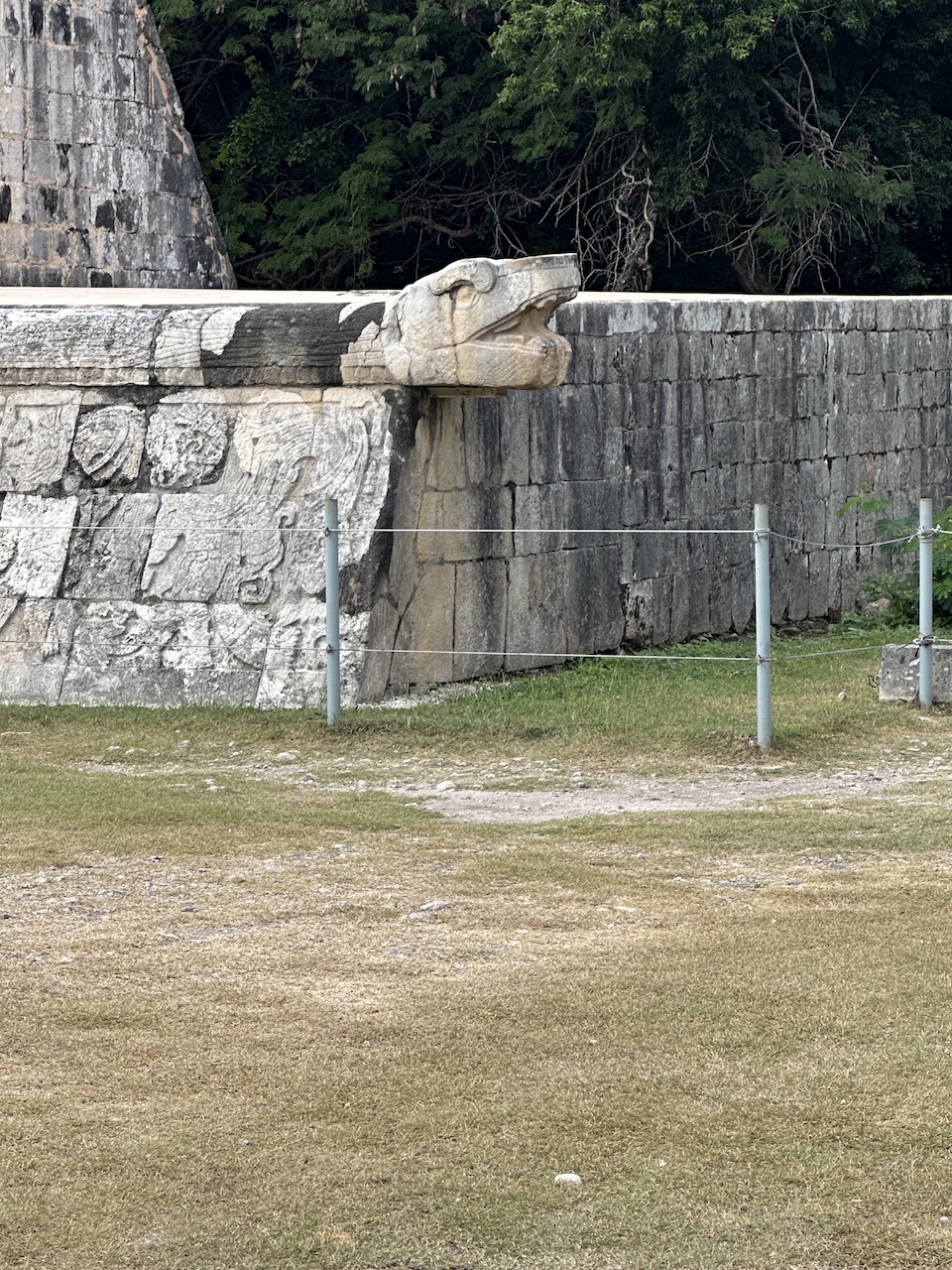
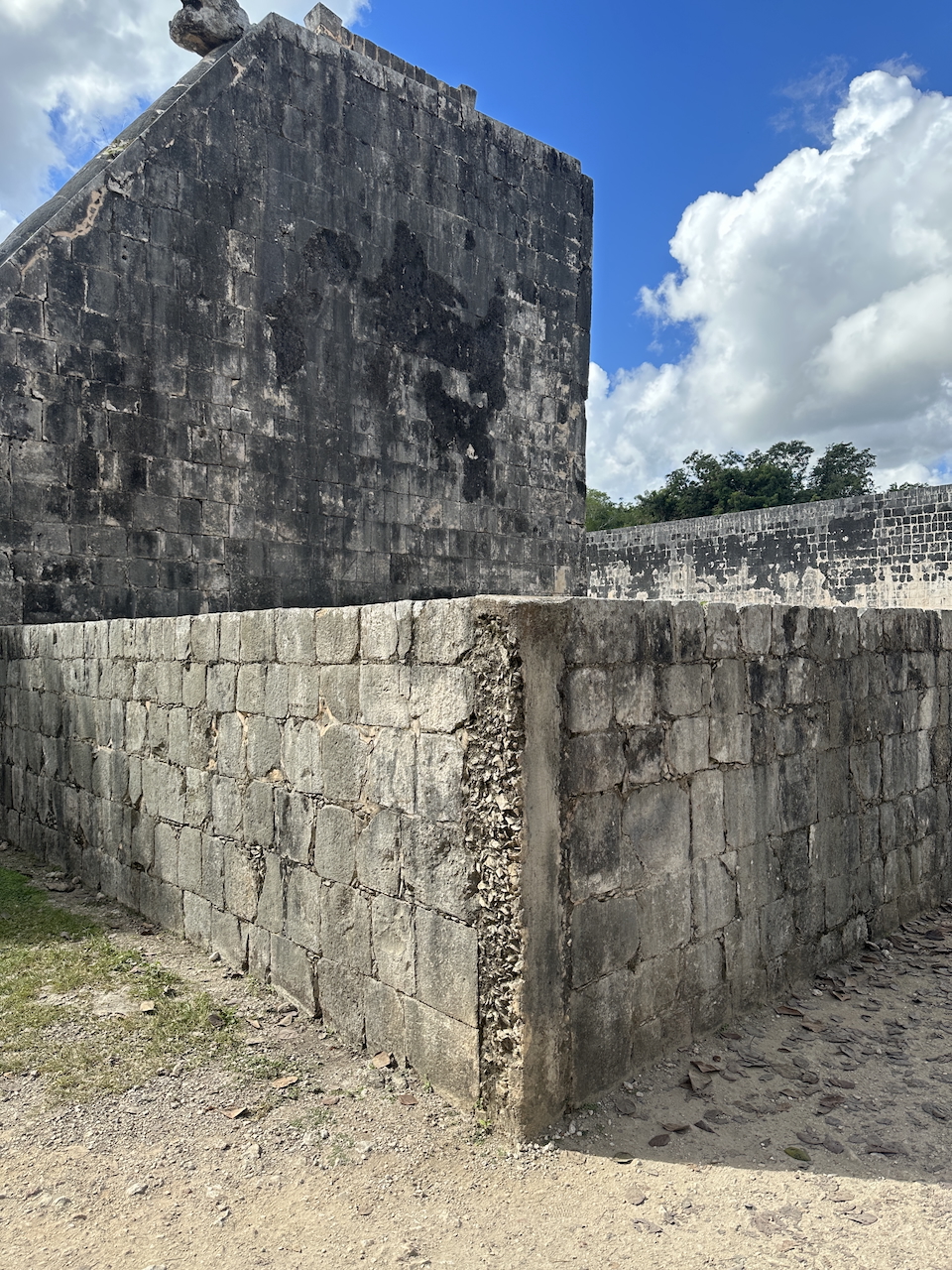
This area would have essentially been spectator stands.
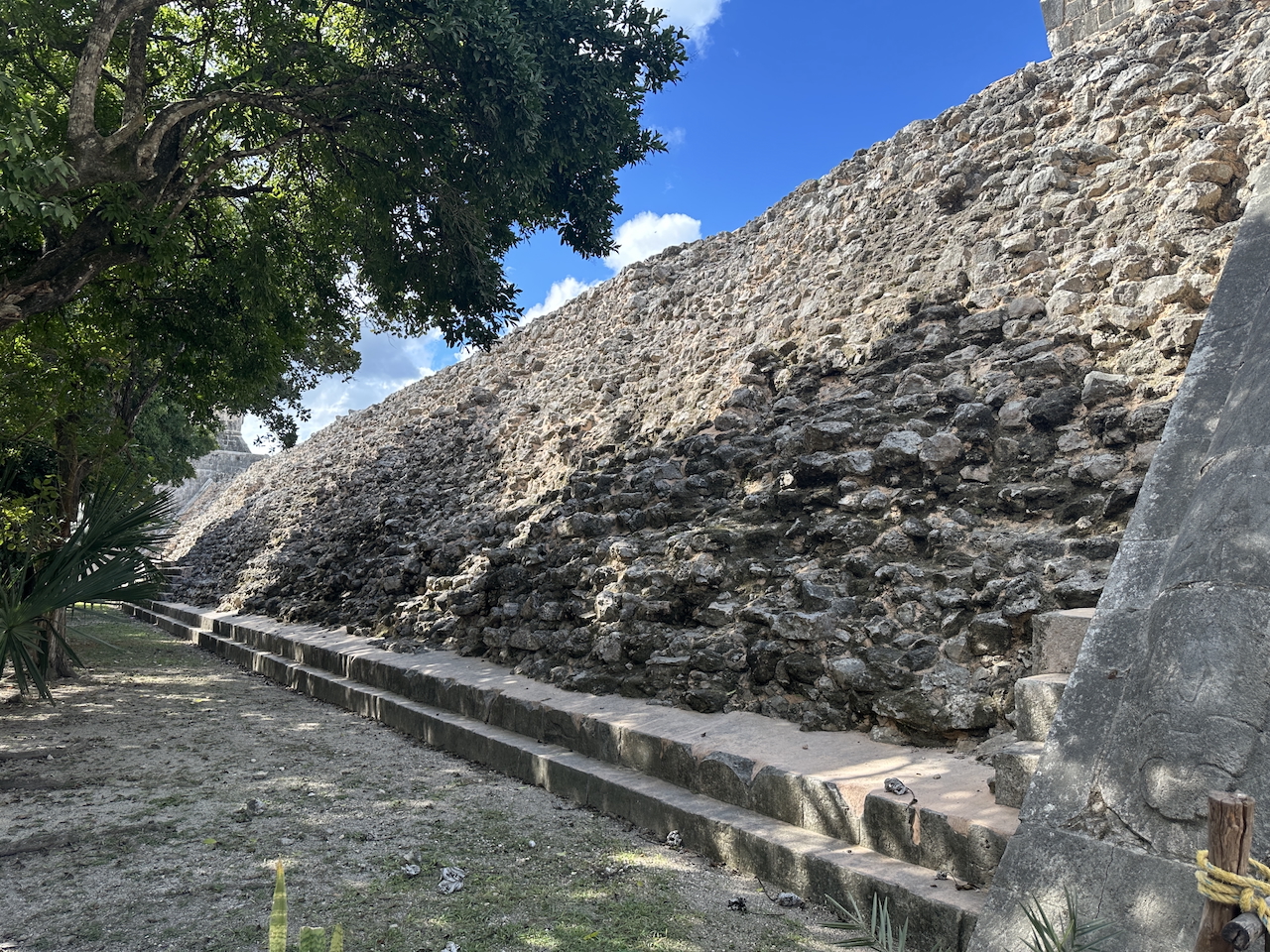
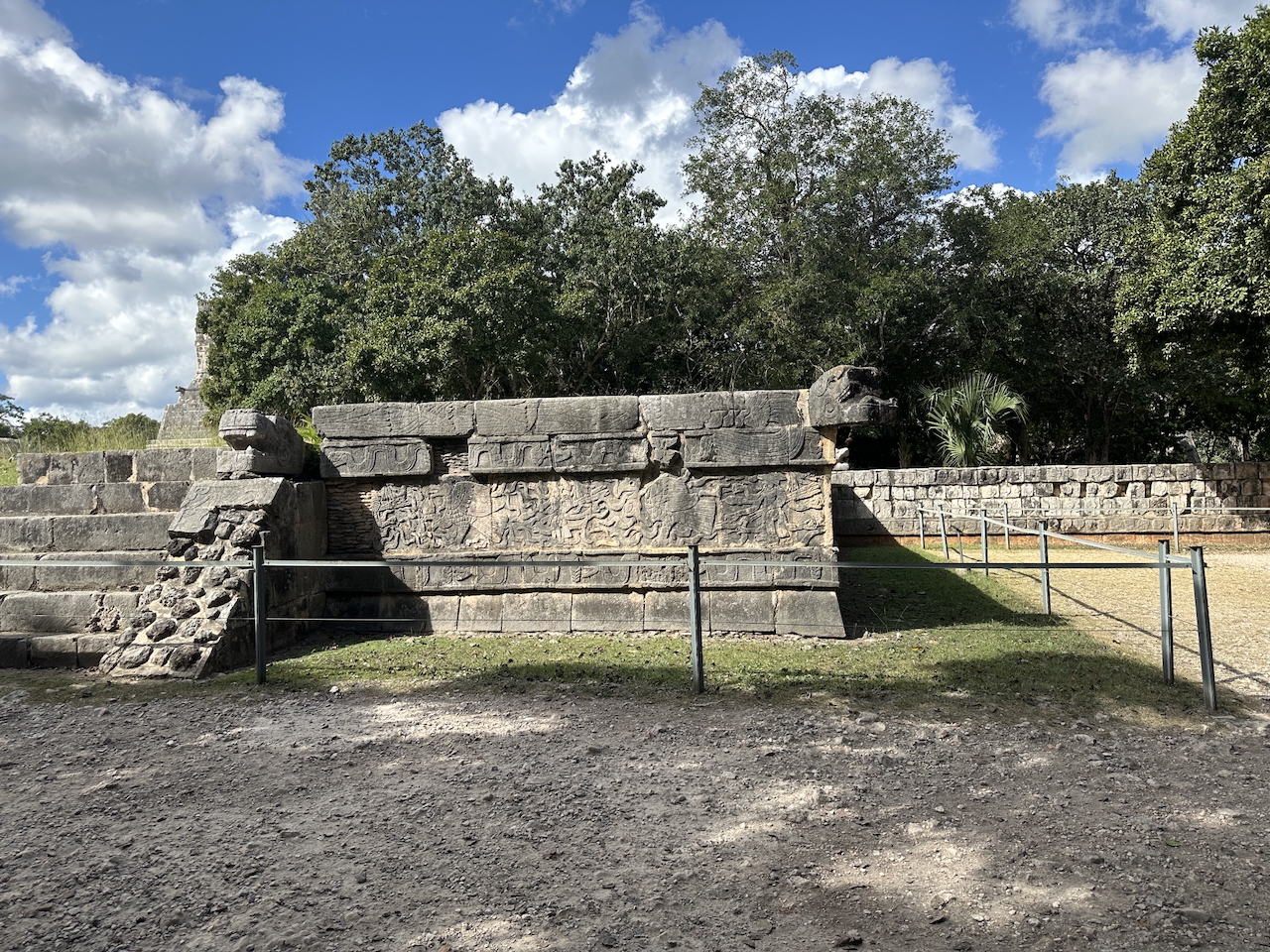
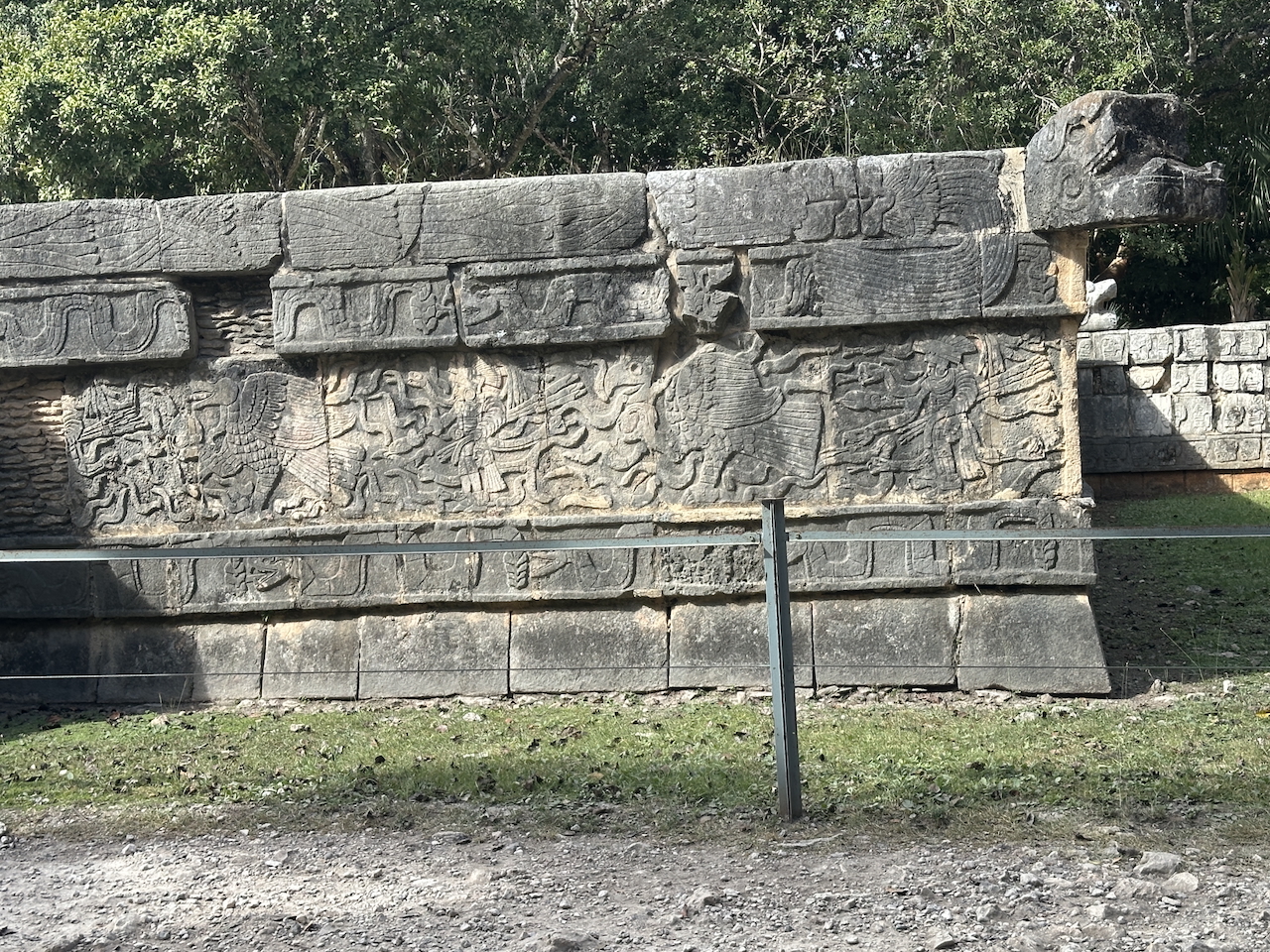
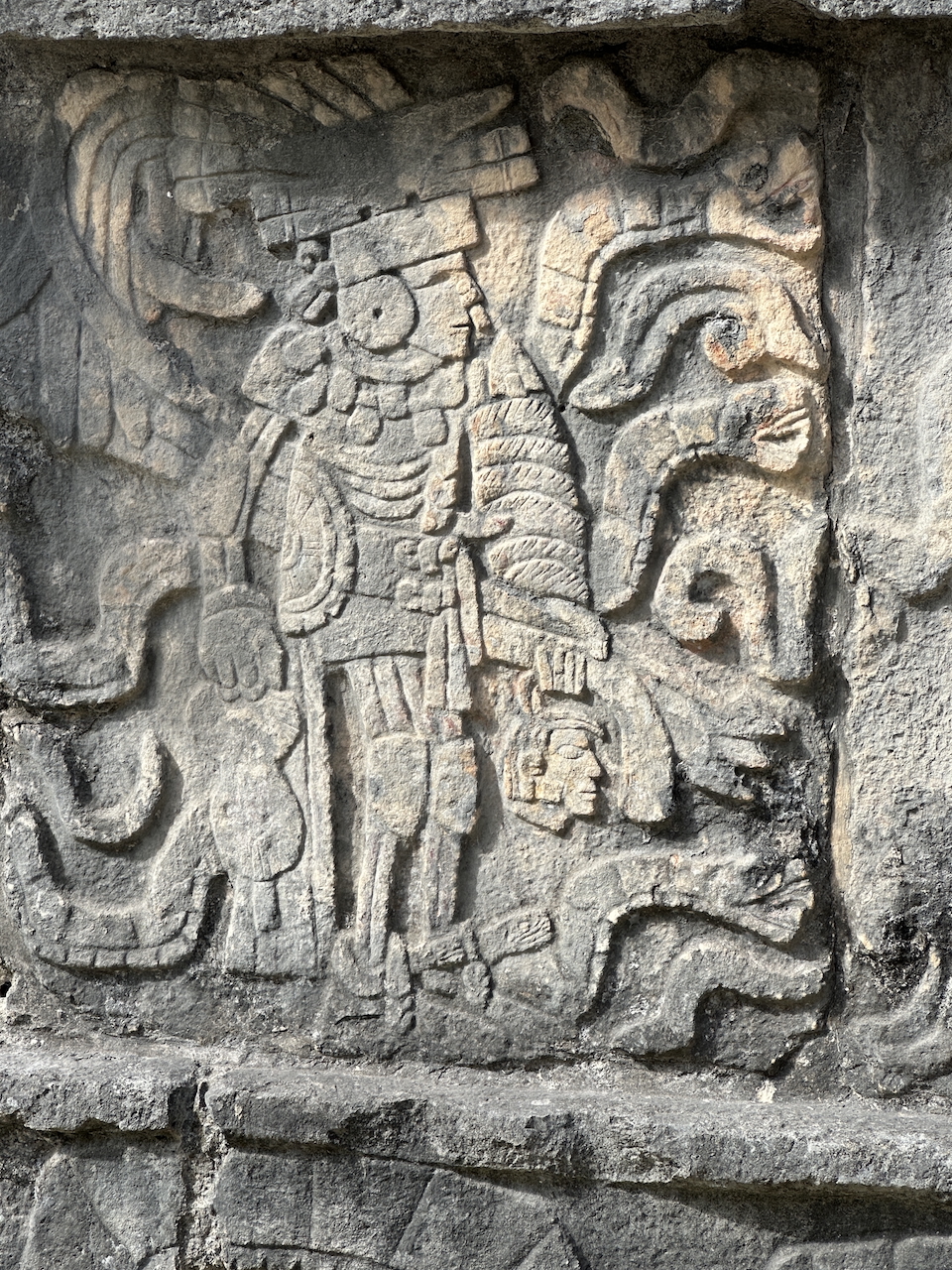
There are no eagles in Yucatán, so this carving is evidence of migration and intermingling of cultures.
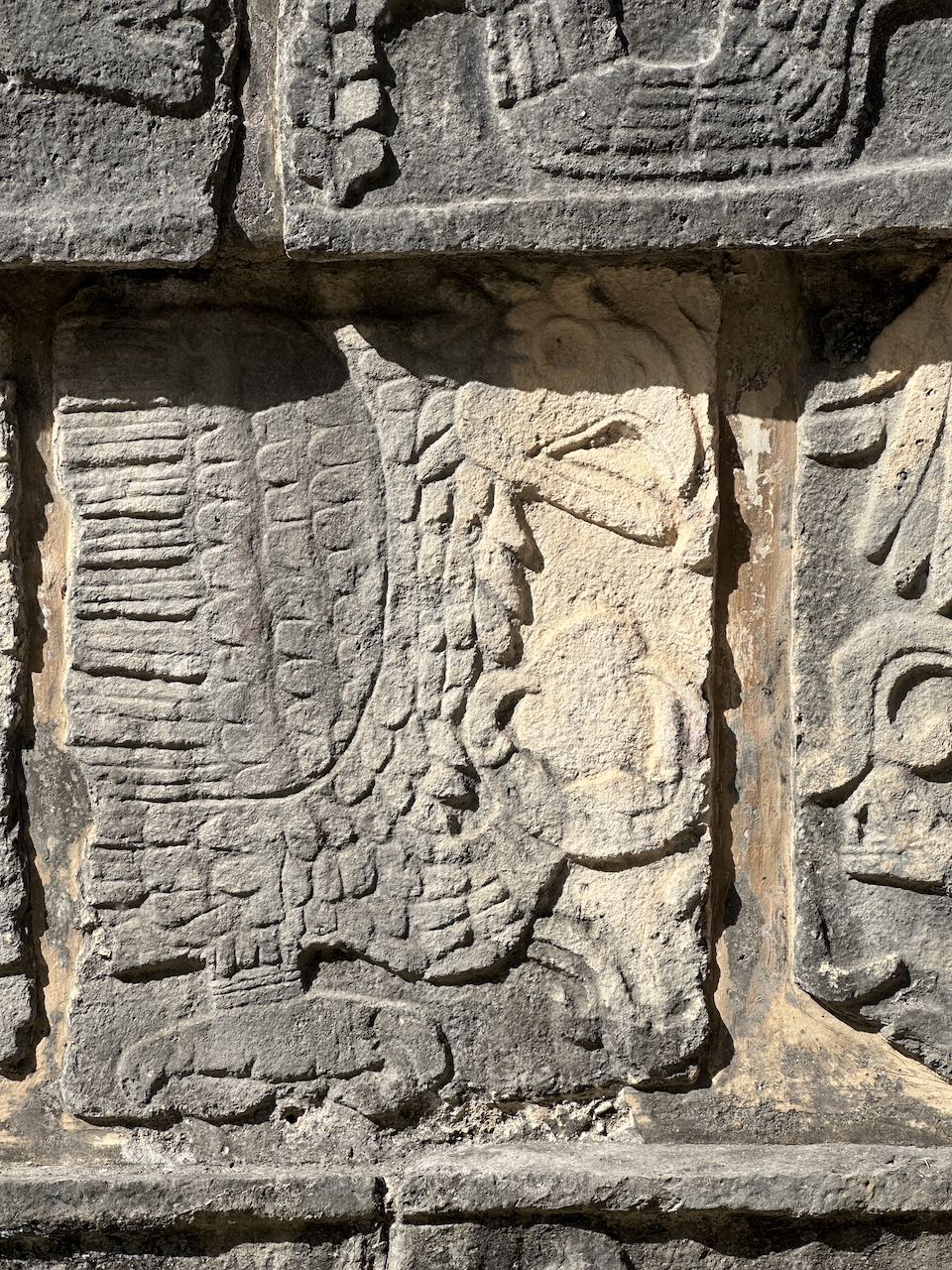
This is a bit gruesome!
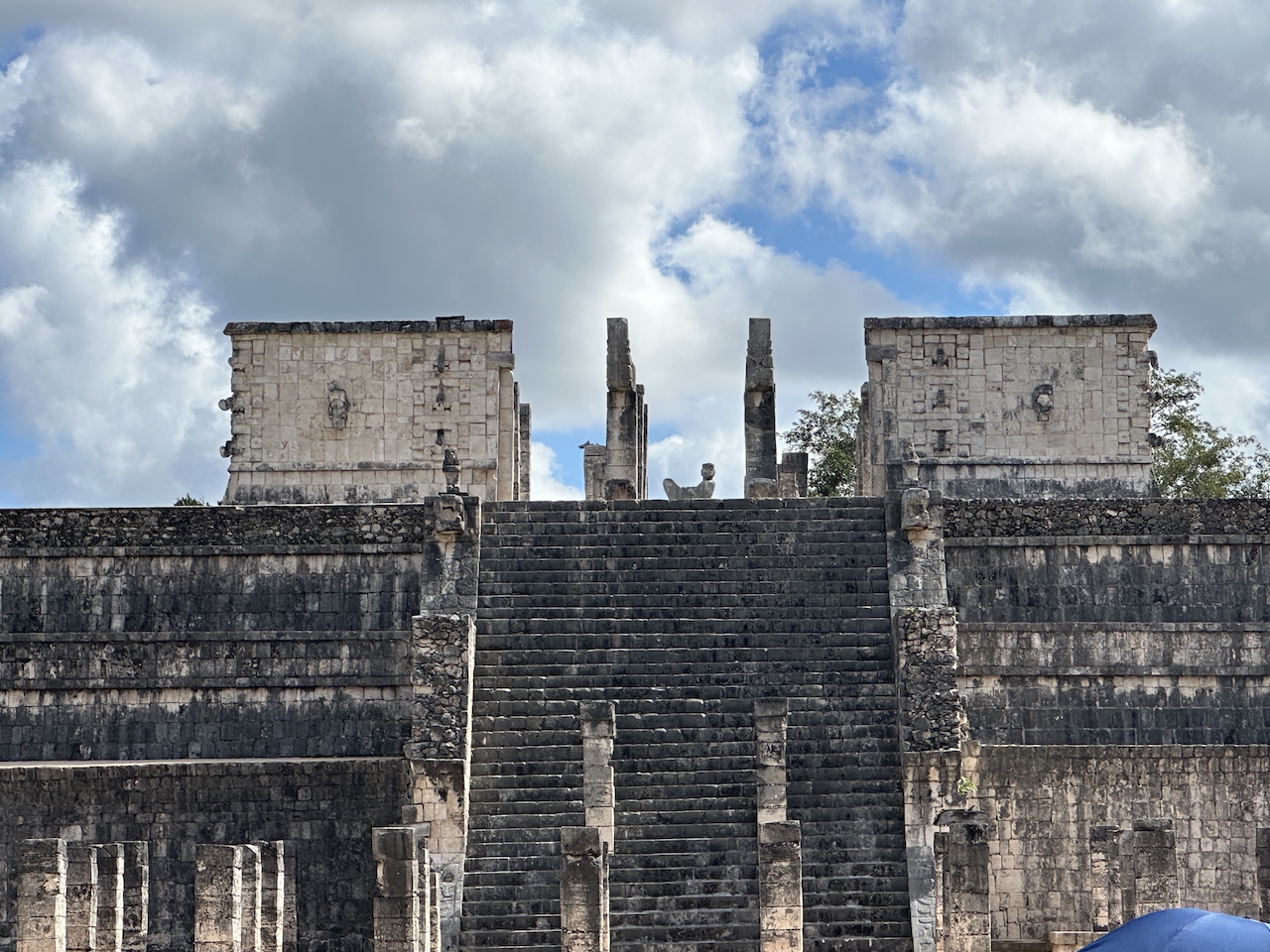
This is a side of the pyramid, and I believe where Pablo demonstrated the quetzal chirp, where the sound of clapping your hands works with the shape of the stairs to make a sound just like that of the quetzal bird. I don’t know what awed me more, that the Maya could build this without modern technology or that it still works today!
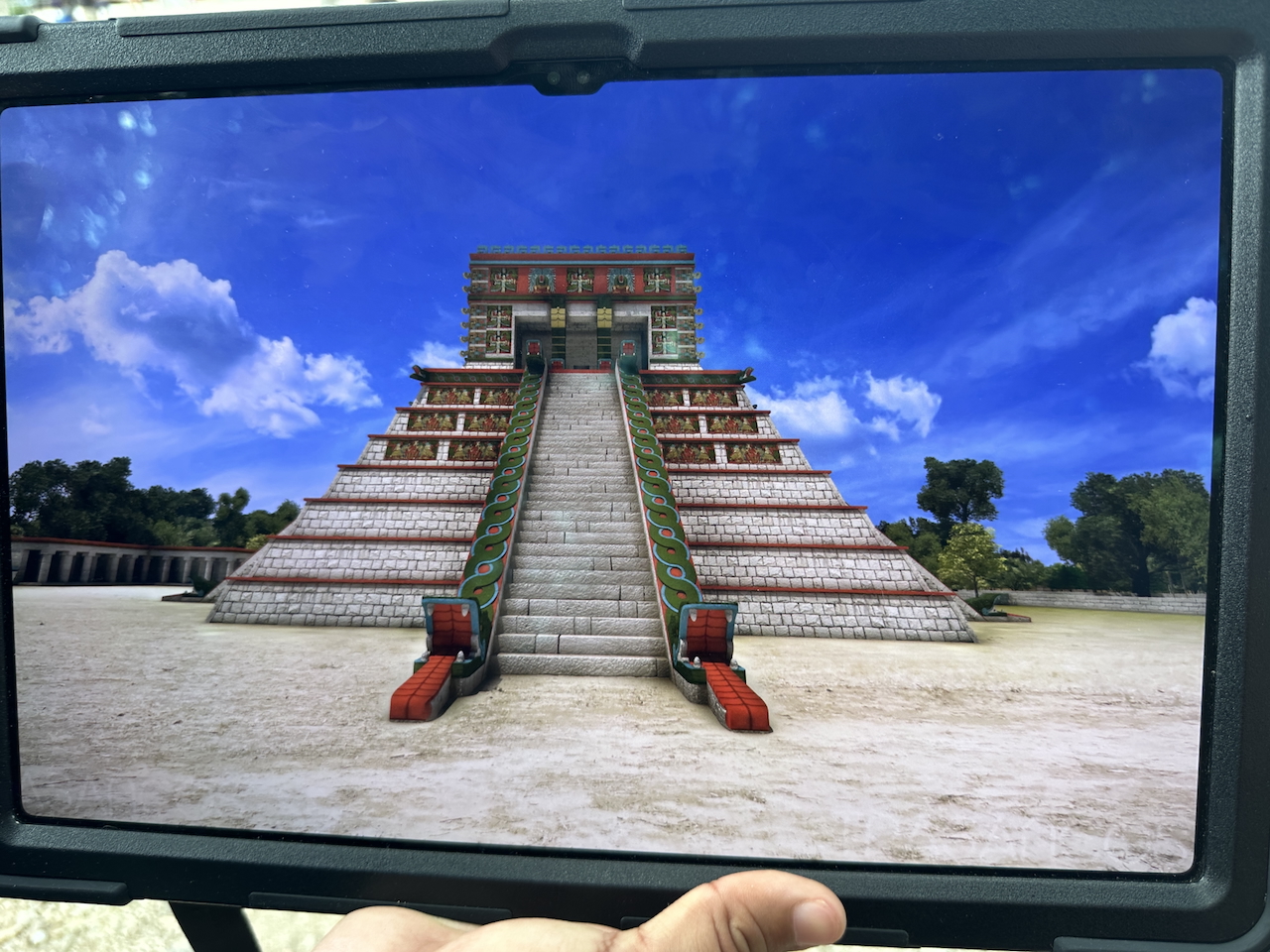
Pablo had a book of photos with him as well as a tablet with all kinds of videos and images. That was really impressive. He was able to show me representations of how the site was found when it was being reclaimed by the jungle and also what it might’ve looked like when it was built. He told me about how his family has been on the site for generations. We even talked about our Eurocentric history education full of lies and whitewashing, with him assuring me that what he learned getting his own BA in history here in Mexico was probably not that different than what I learned in Canada, something that somehow made me feel a little better. We also talked about the sad irony that the Mayan civilisation collapsed because they destroyed the environment, and here we are hundreds of years later, and they’re doing the same thing all over again in Mérida. This was a very well-rounded, informational, emotional, and even philosophical tour, and I was so grateful I’d been paired with Pablo.
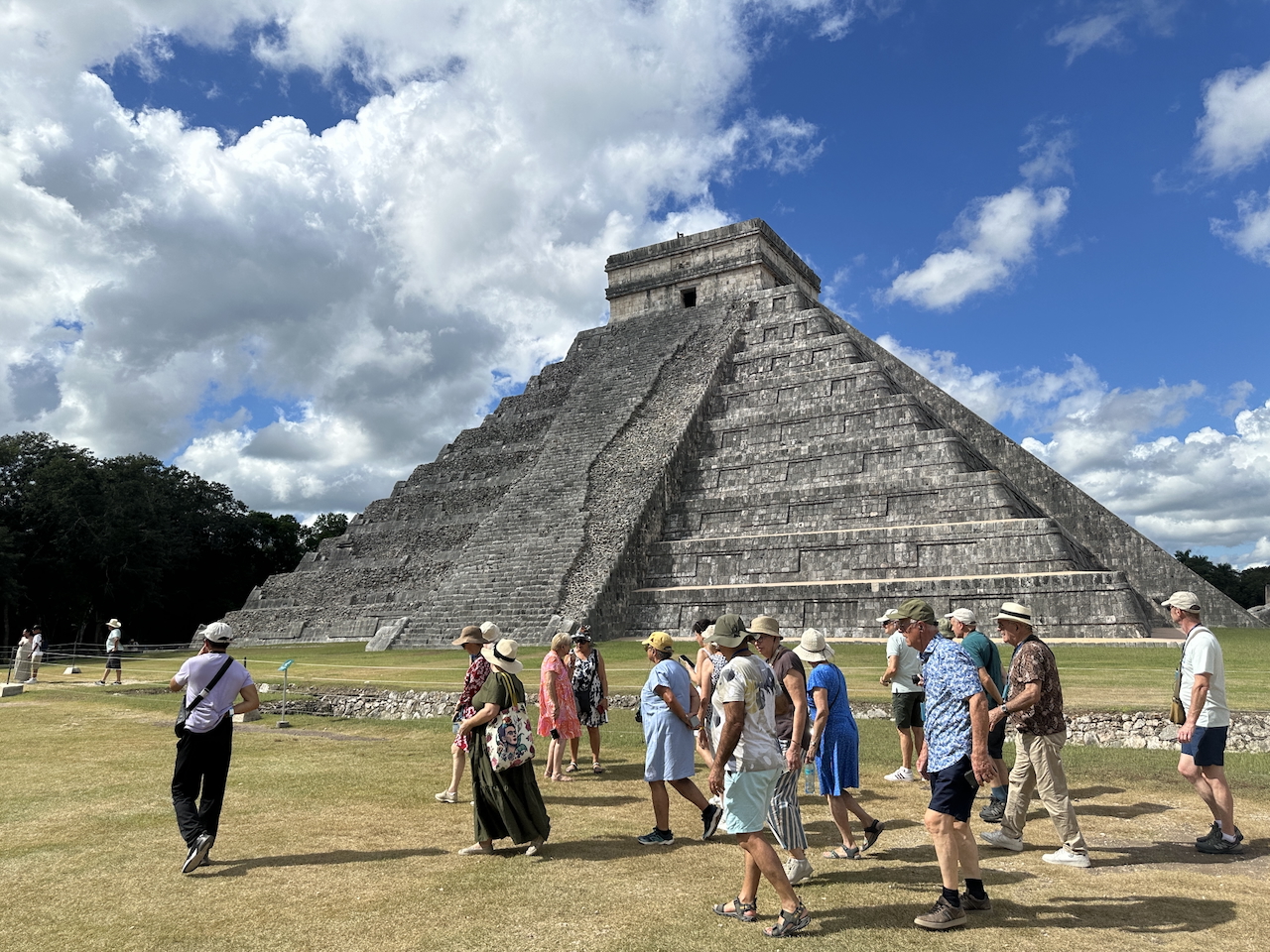
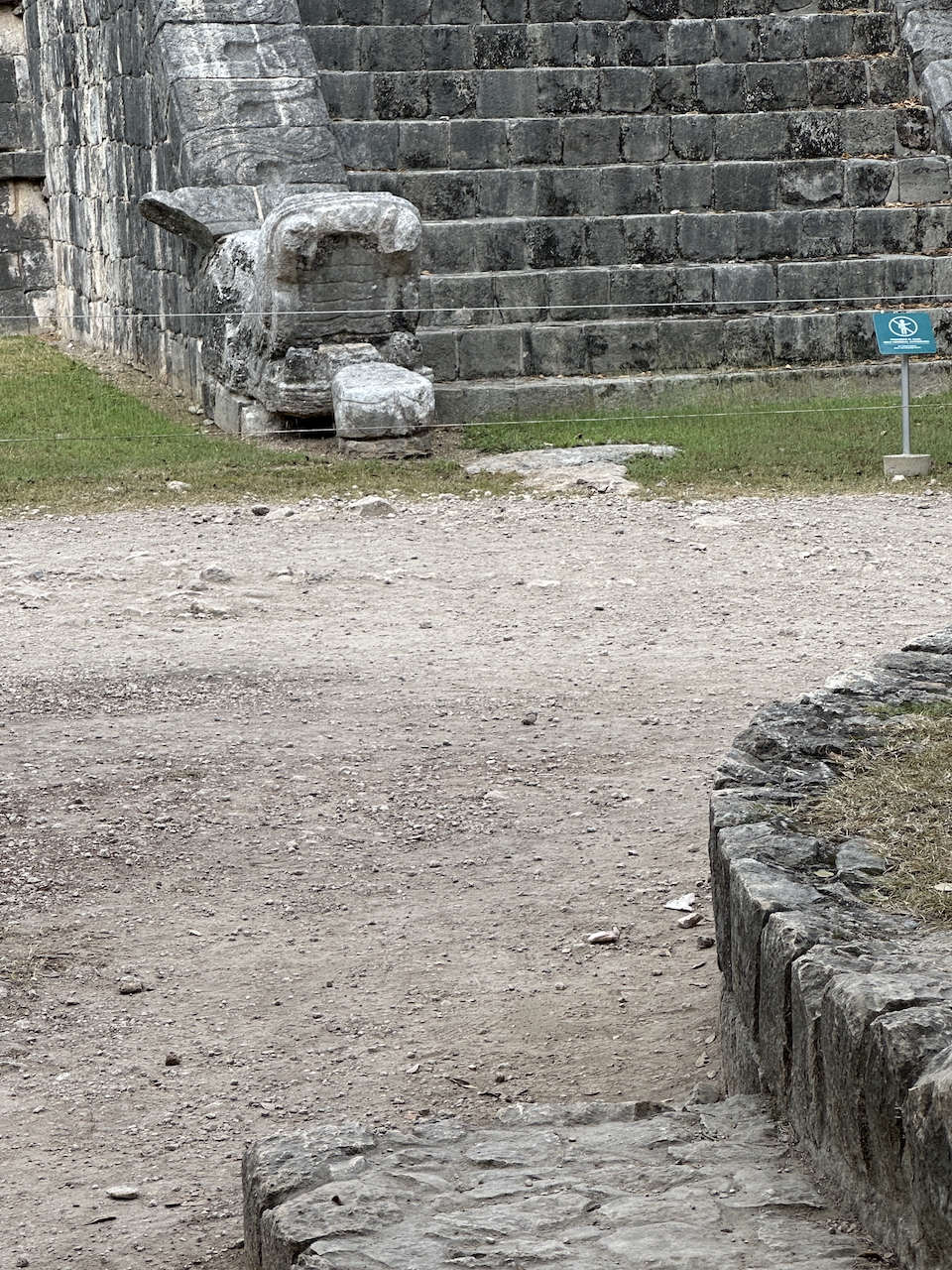
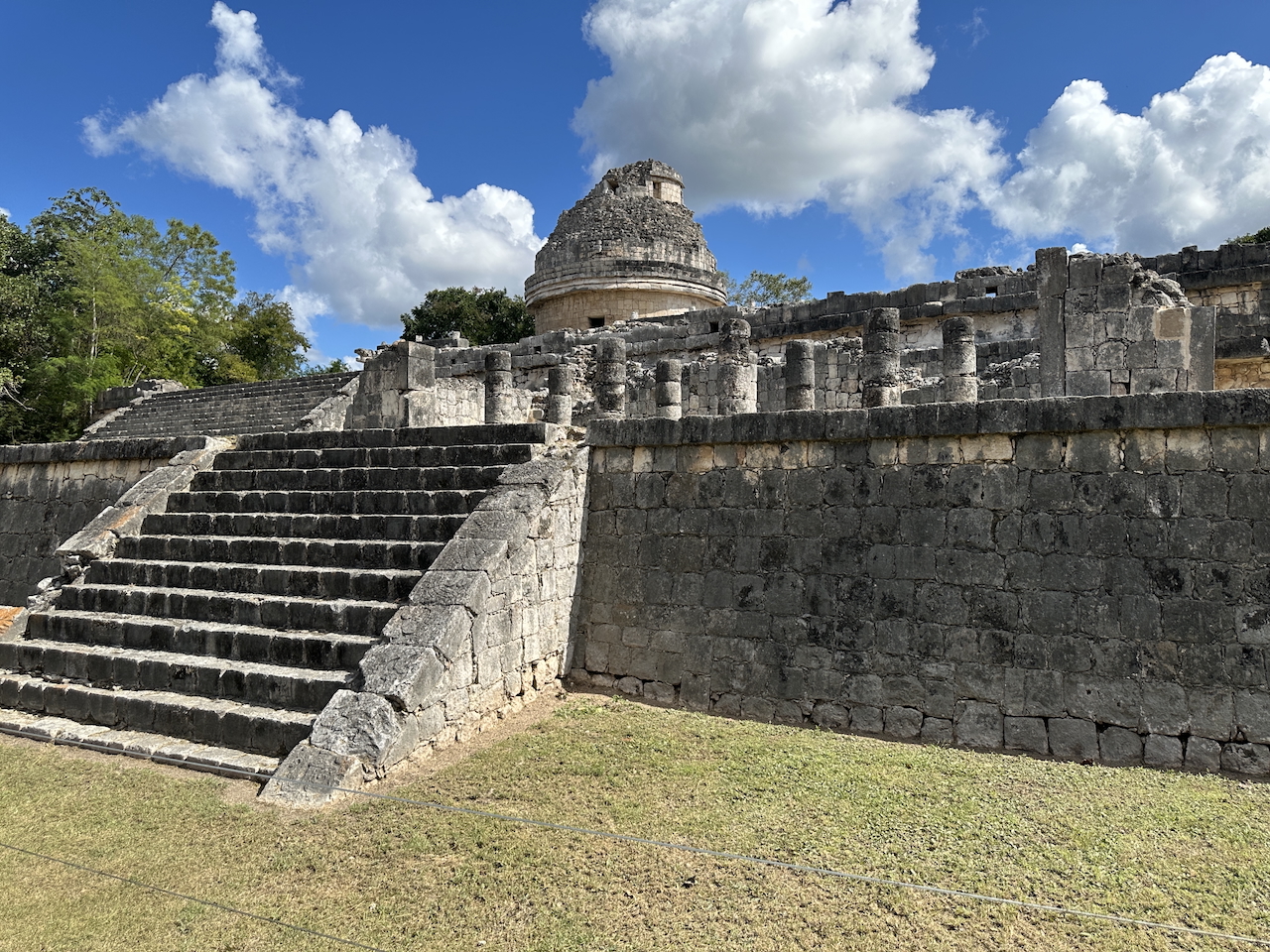
After viewing all four sides of the castle, he lead me towards the observatory.
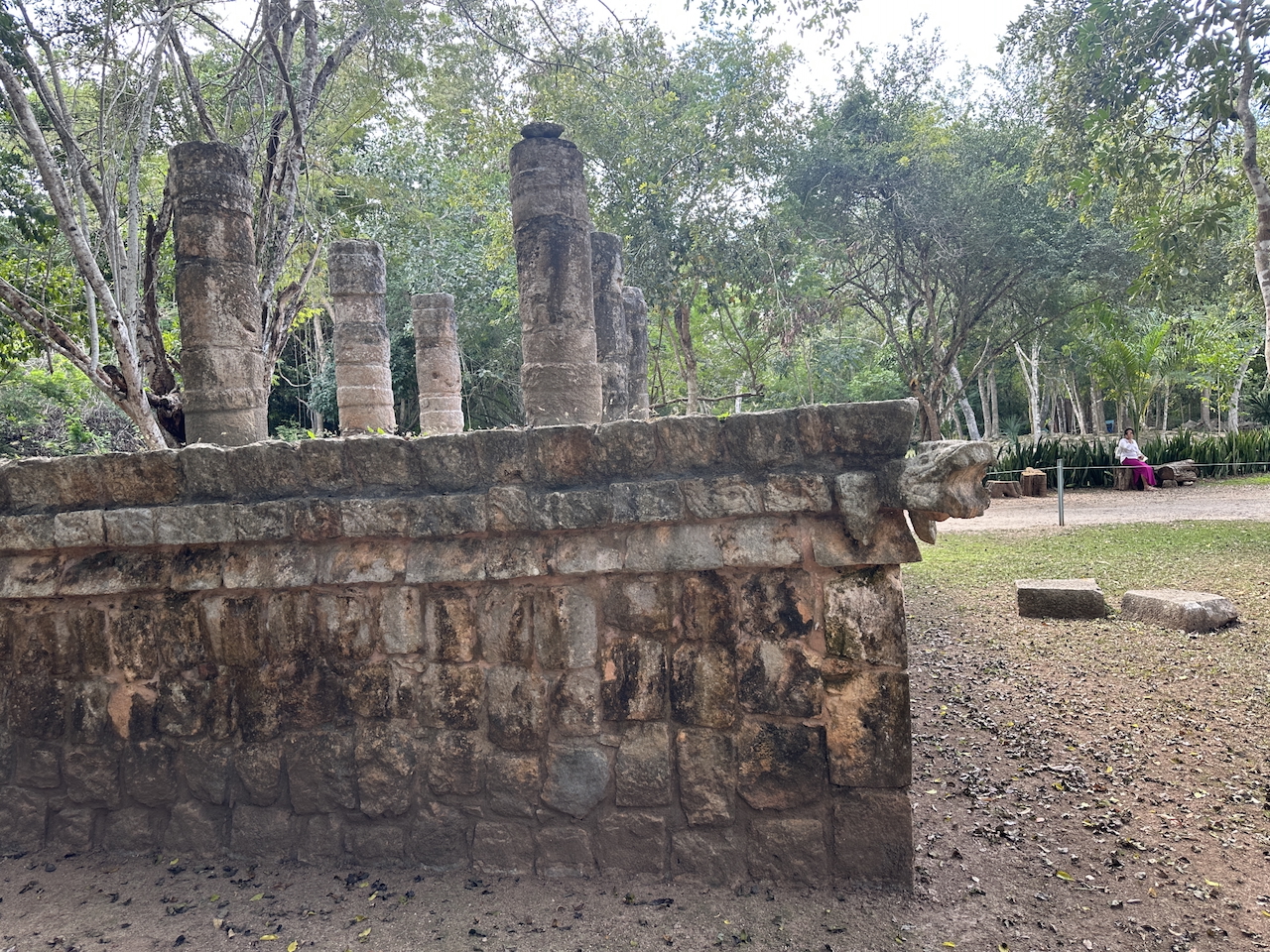

I thought this branch was a snake!

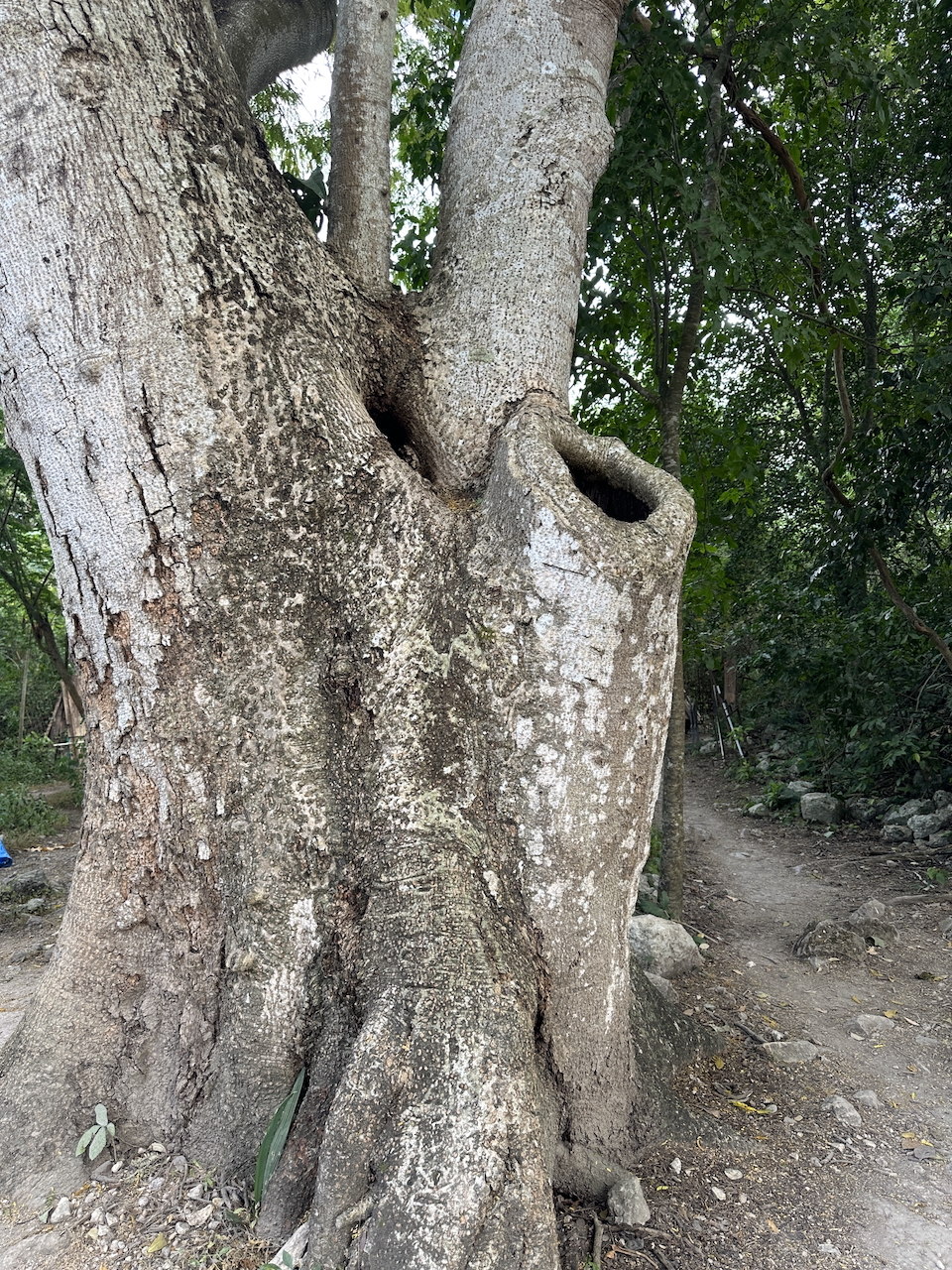
These holes would have been full of honey bees.
I think I found the observatory even more impressive than the castle, just for the unique round structure not that dissimilar to modern observatories! This building is also called the caracol, snail, for its equally rare spiral staircase. Pablo played a video showing how the observatory would have been used to study the night sky, including the routes of the sun and Venus.

Pablo then left so I could keep wandering on my own.
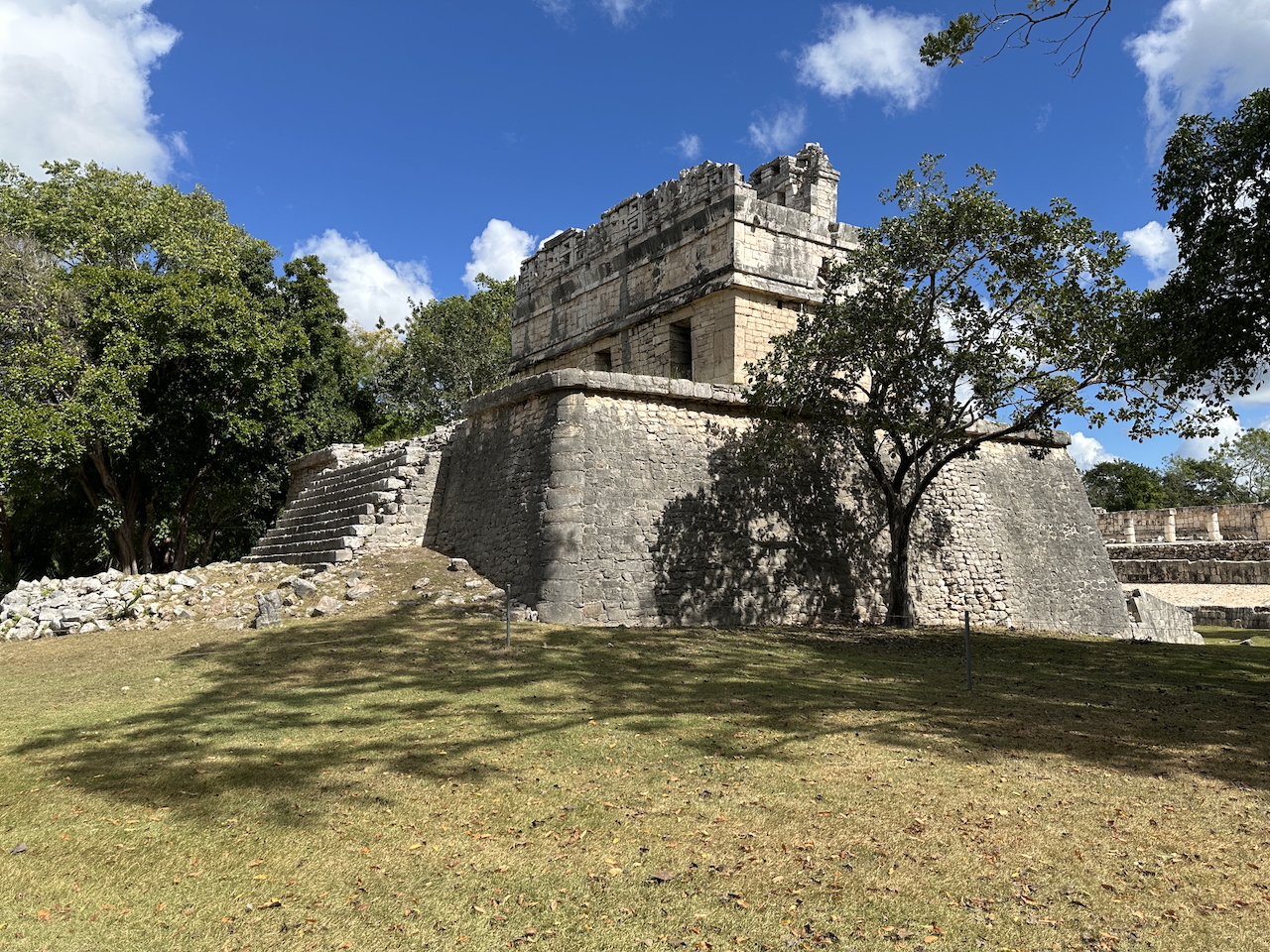
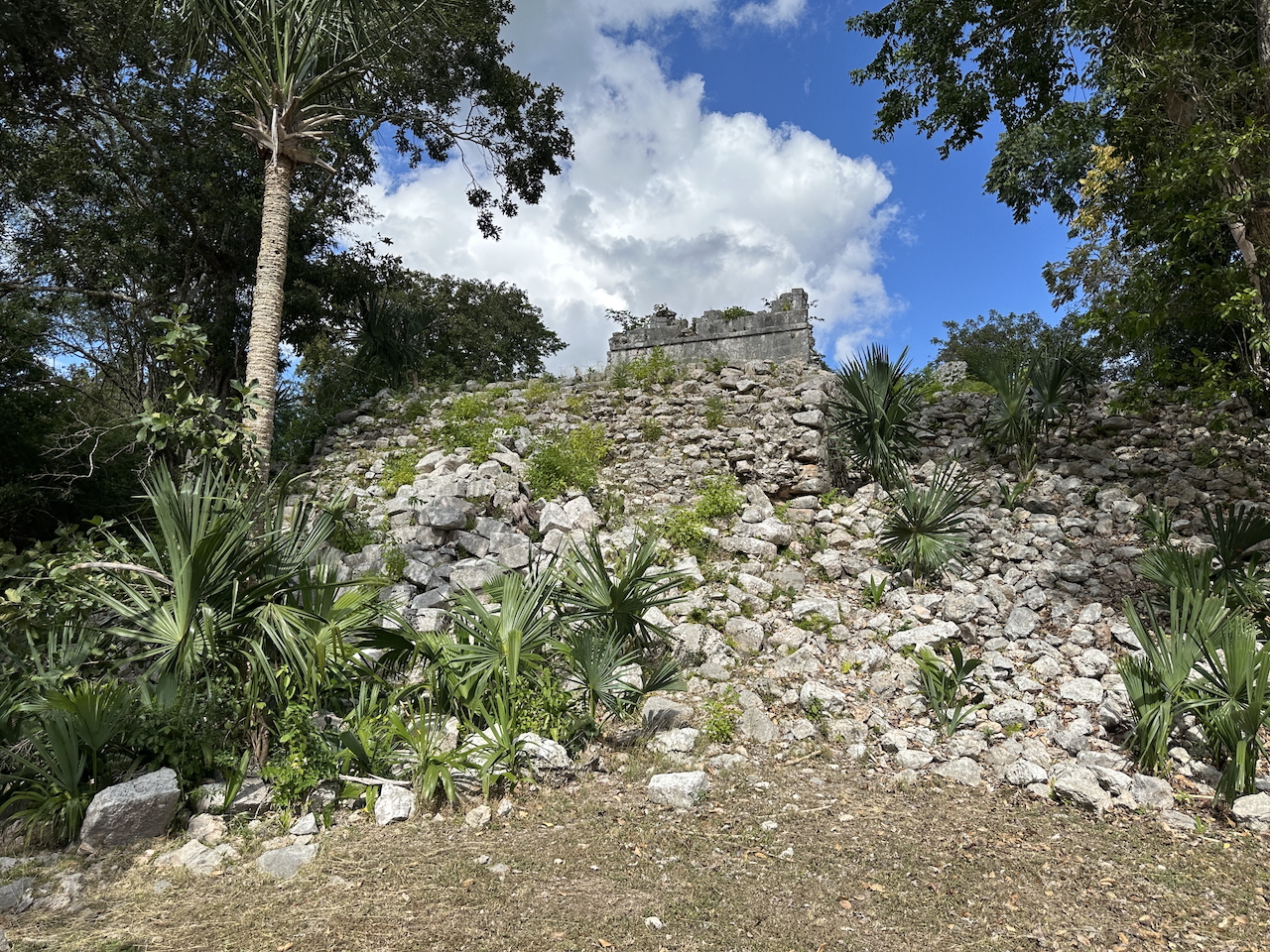

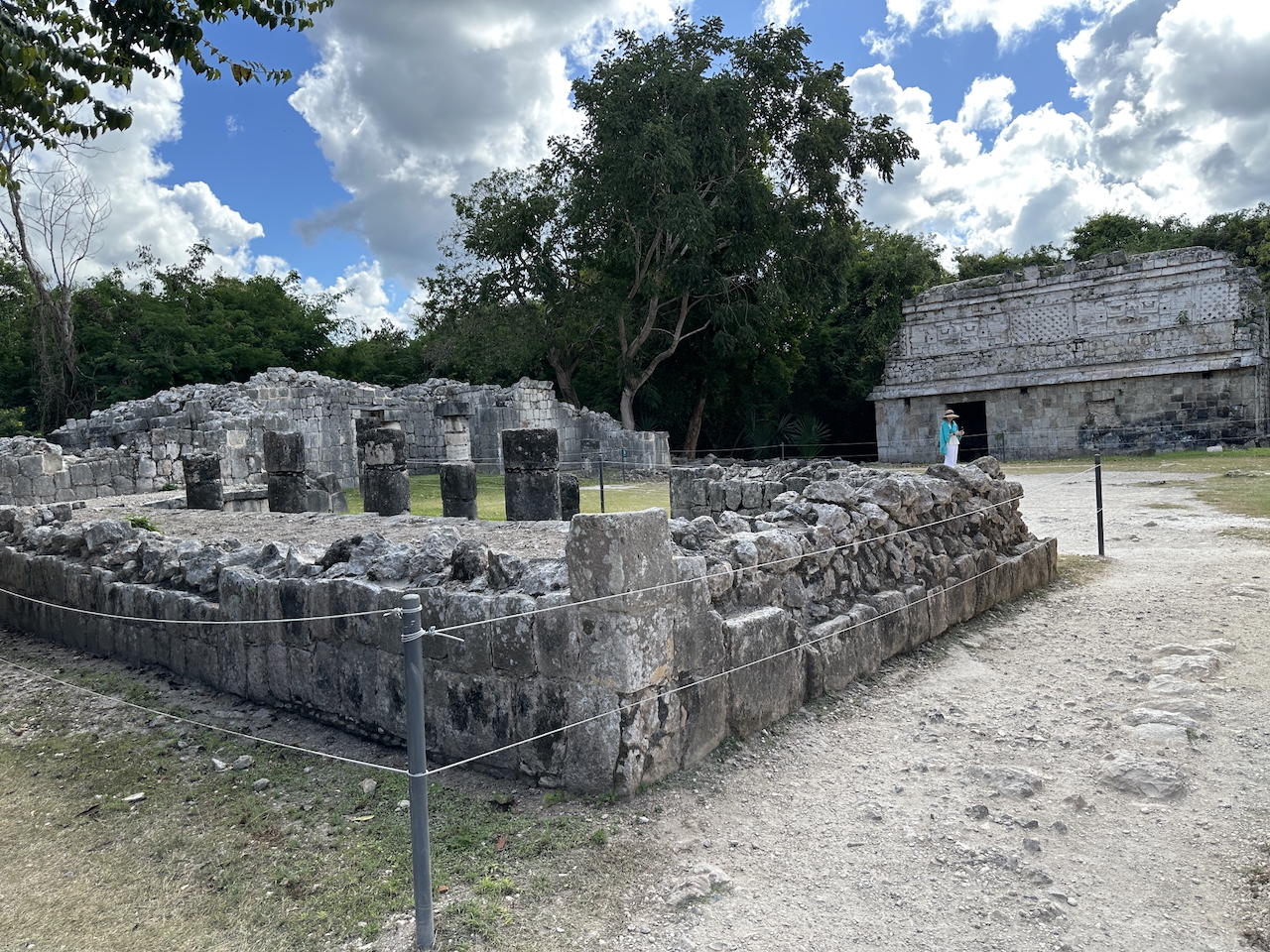
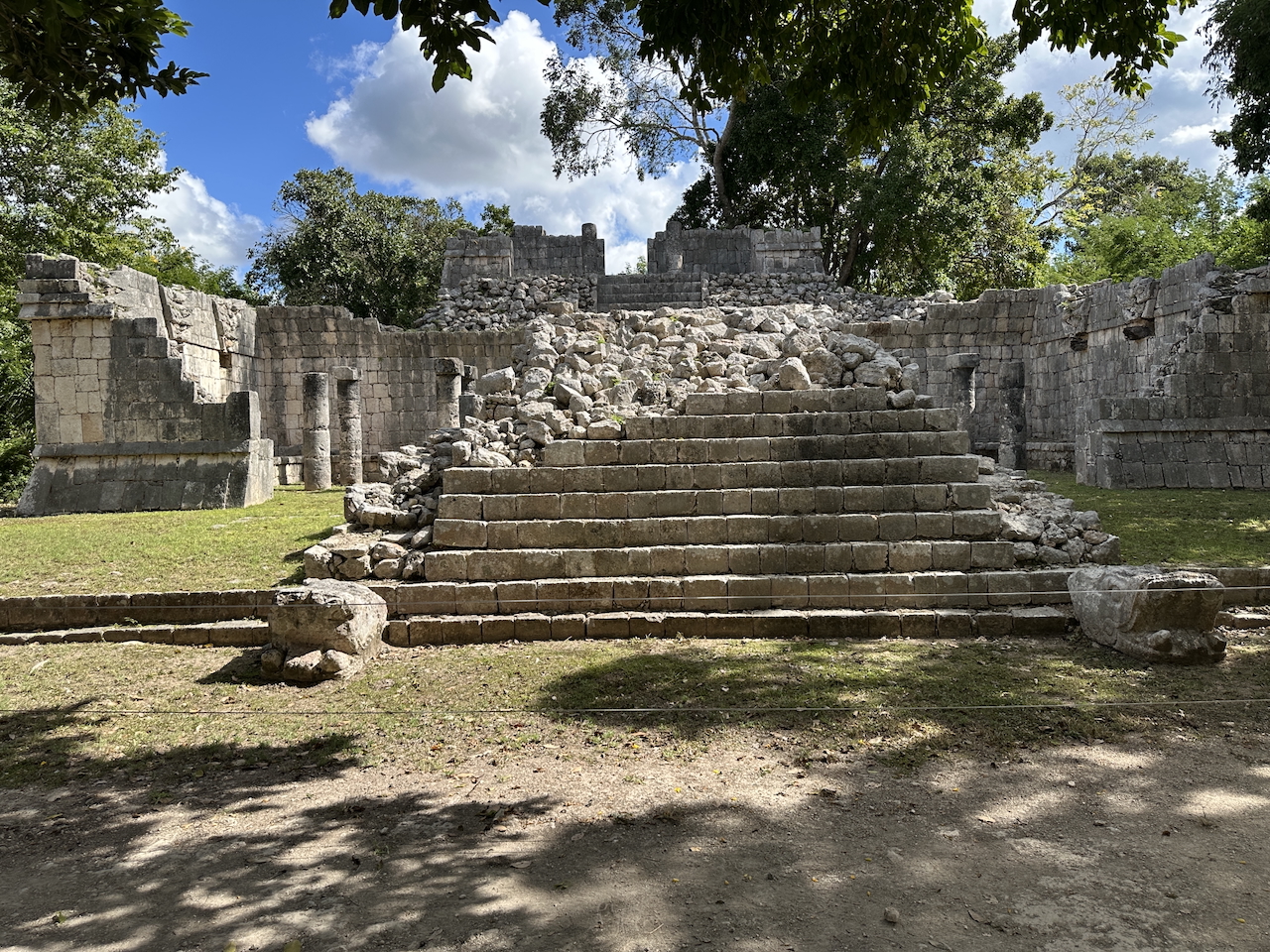
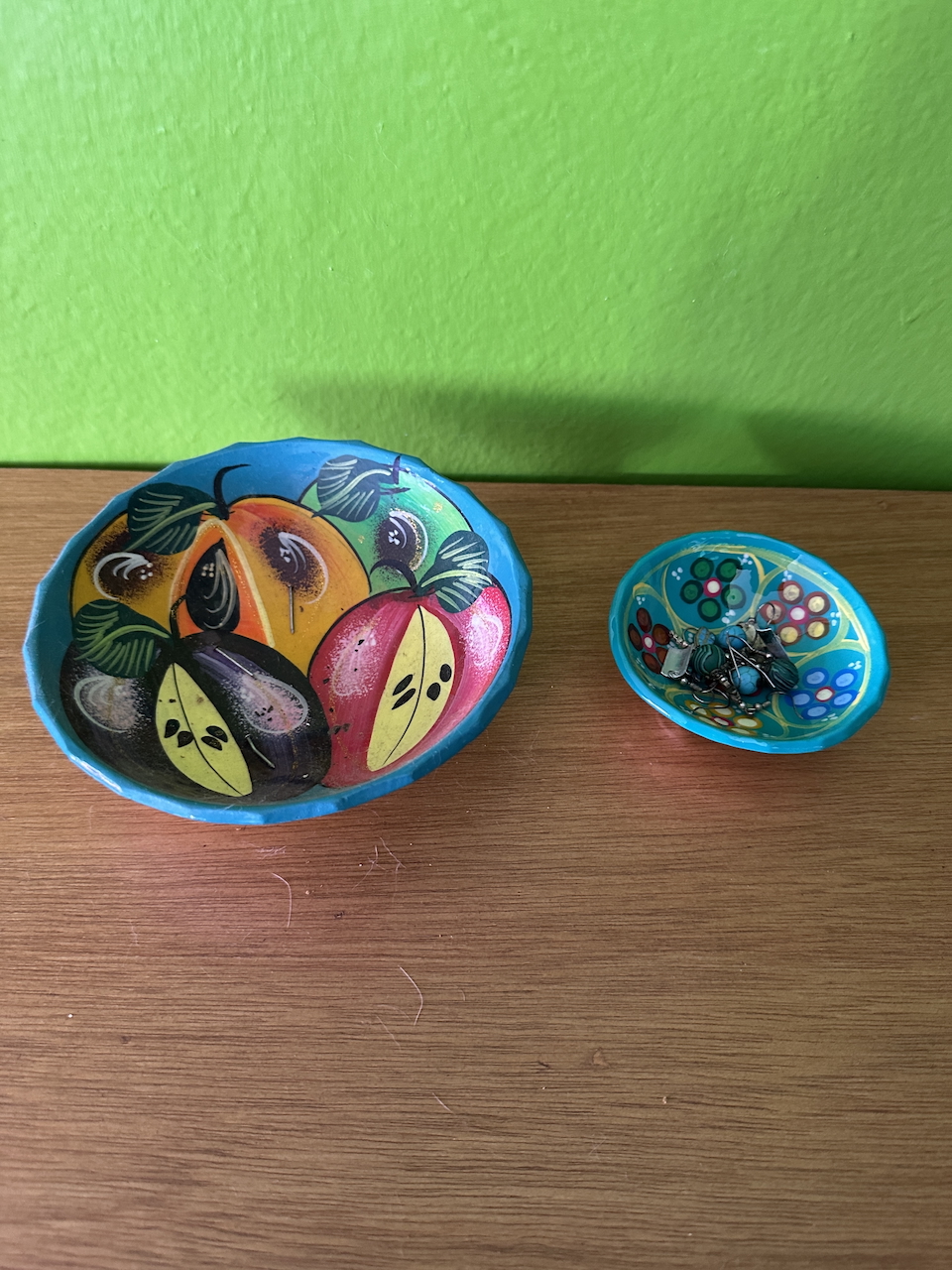
By this point, it was coming up to midday, the sun was beating down, the crowds were growing, and the touts were no joke. Soon as I didn’t have a guide, it was like they had been unleashed. There were all set up along paths, so were impossible to avoid. The problem with these vendors is their wares are all mass market junk you can get anywhere. It’s so hard to find genuine handicrafts now. There was just one older gentleman at the end of the long line of vendors who caught my eye because he wasn’t being aggressive. I bought a small bowl from him.
Right at the exit, there is a restaurant. I’d done some research and knew that it was well rated and considered good value for the location. I was famished, but despite that, I knew that if I got back in the car, I’d just want to get on to my next stop. So I was smart and got a table!
I ordered poc chuc, and my meal was, indeed, good value for the location. Not much meat, but it was tender and well seasoned. The tomatoes and onions were fresh, the creamy habanero salsa perfectly seasoned, resulting in very tasty tacos, all washed down with a tad-too-sweet-but-so-refreshing limonada.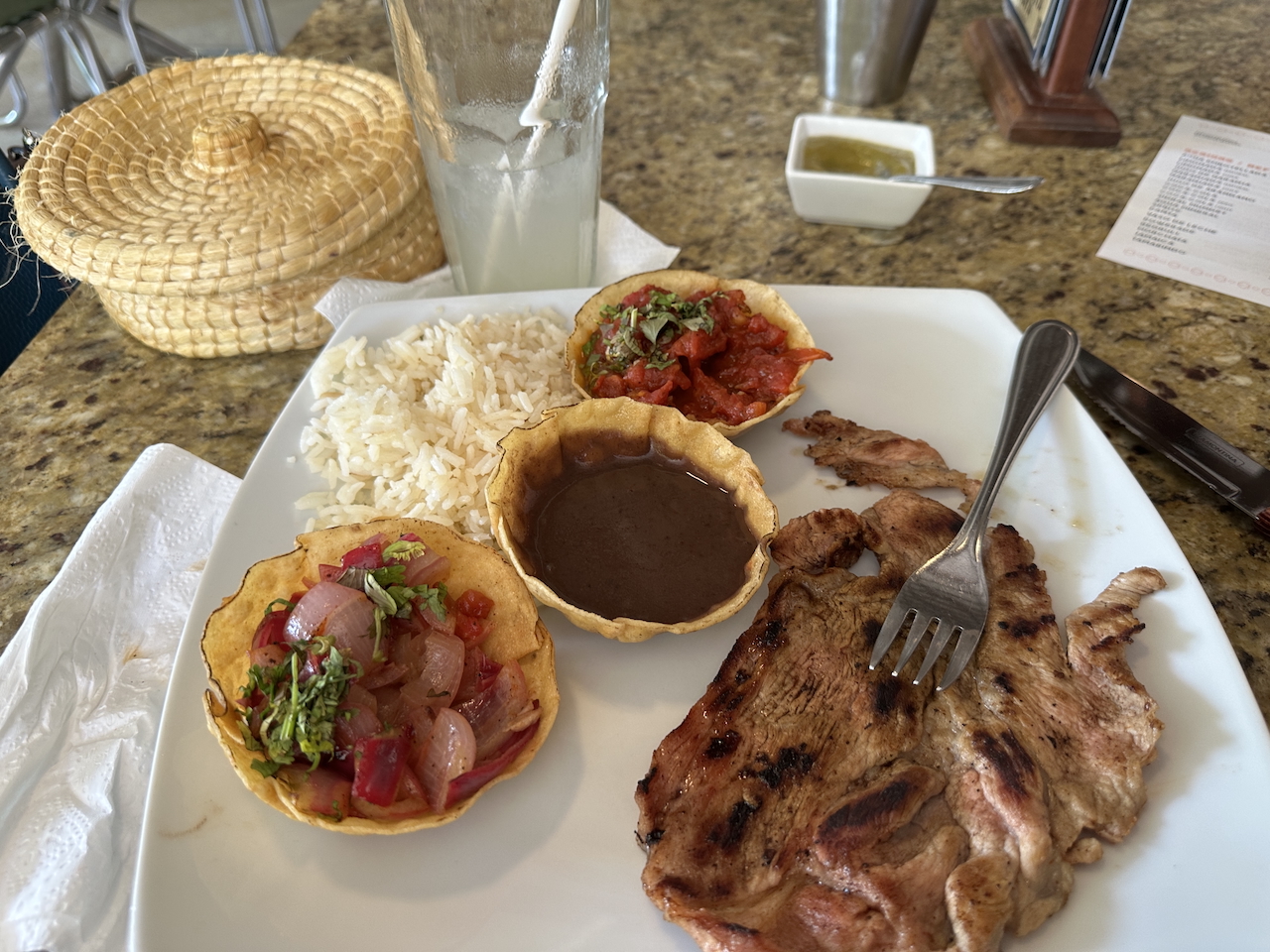
With one more major Yucatán destination off the list, I headed back to the car, carefully maneuvered my way through Pisté where there were religious processions in the street, and finally returned to the carretera to continue on my journey back to the Mayan Riviera to finally visit the tourist mecca of Playa del Carmen to meet up with some friends.