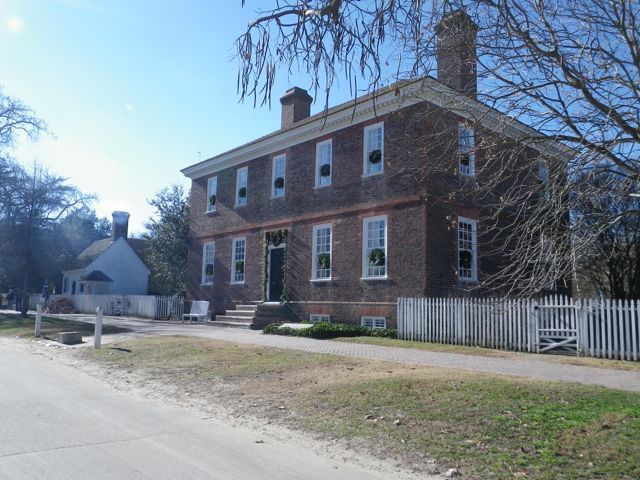
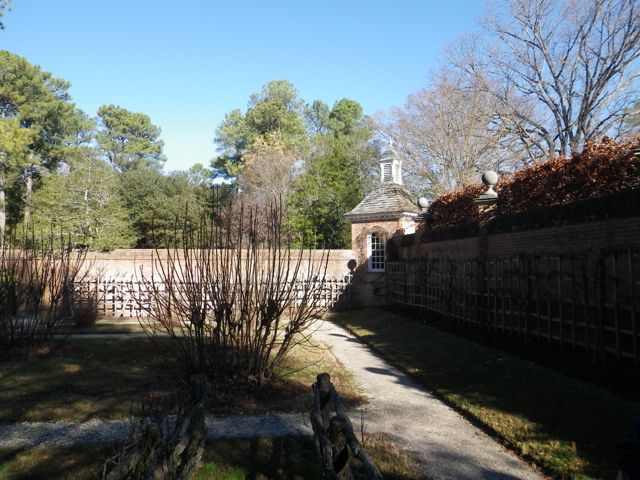
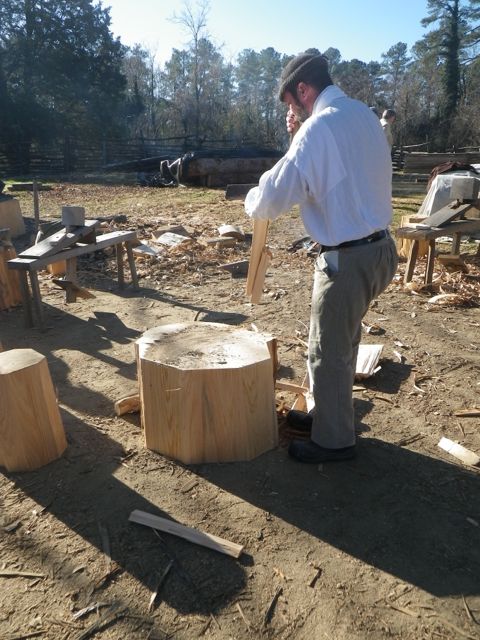
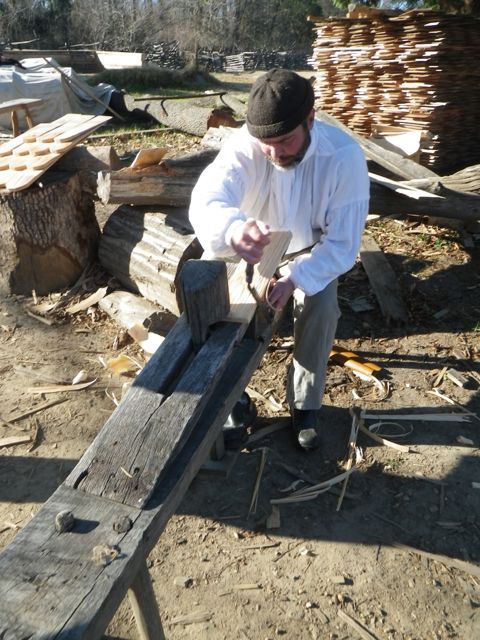
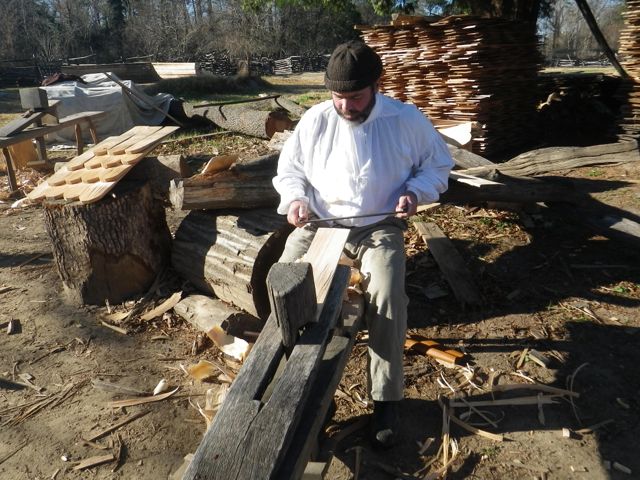
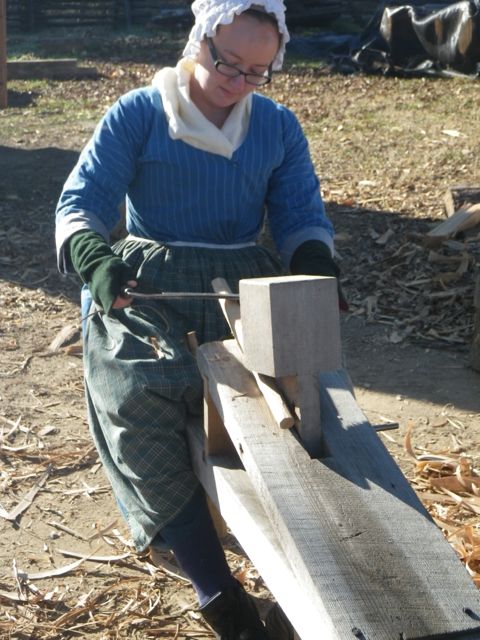
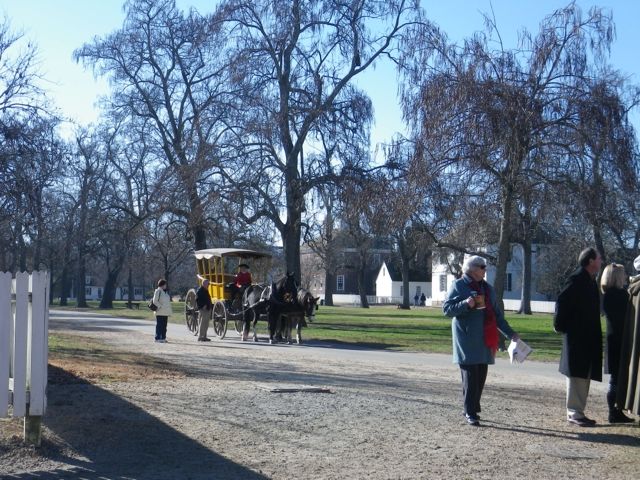
Colonial Williamsburg, Part Three: The Wythe House

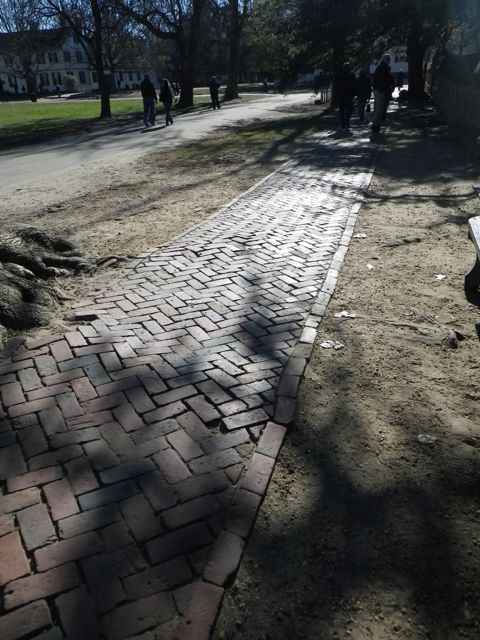
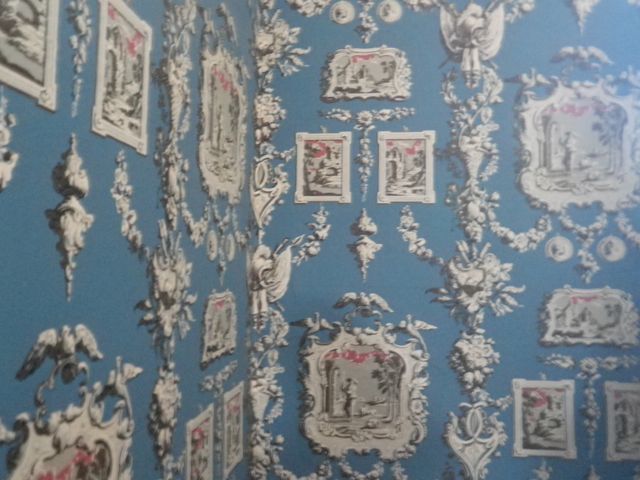
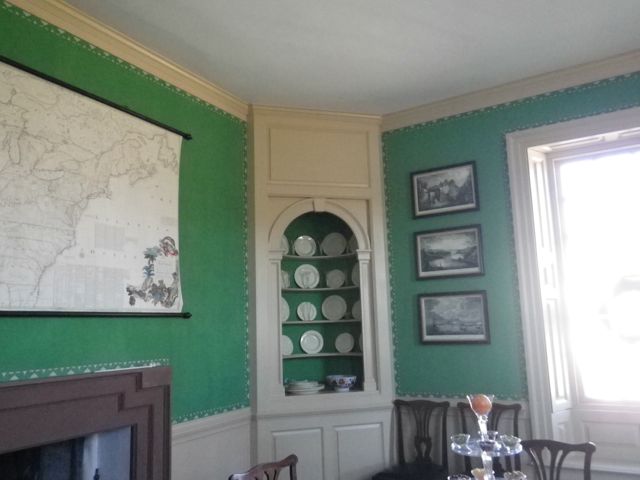
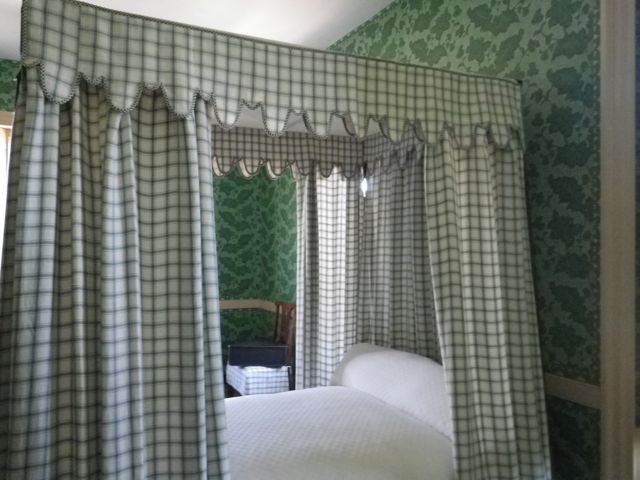
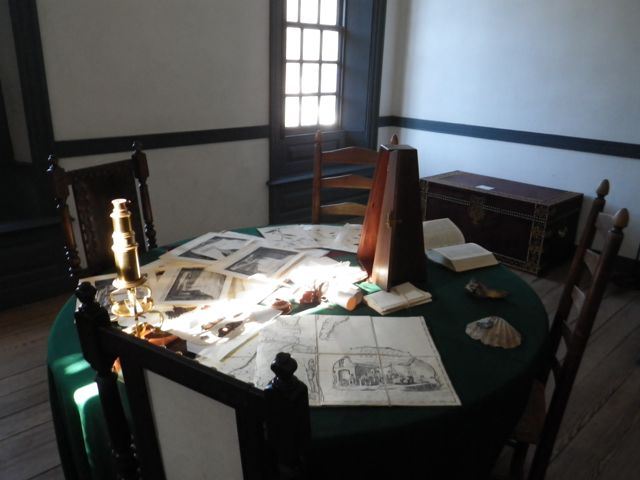
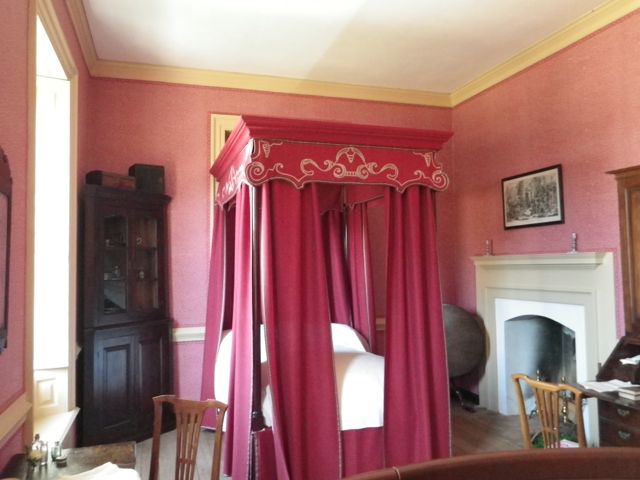
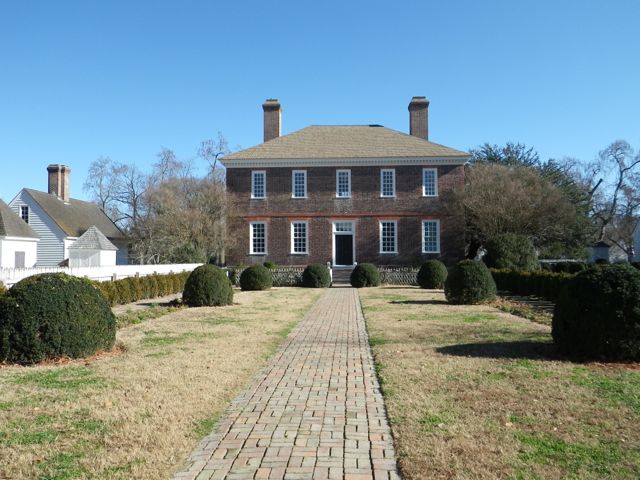
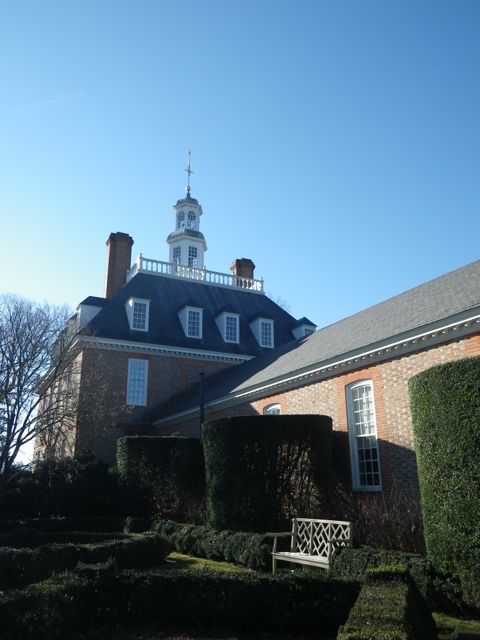
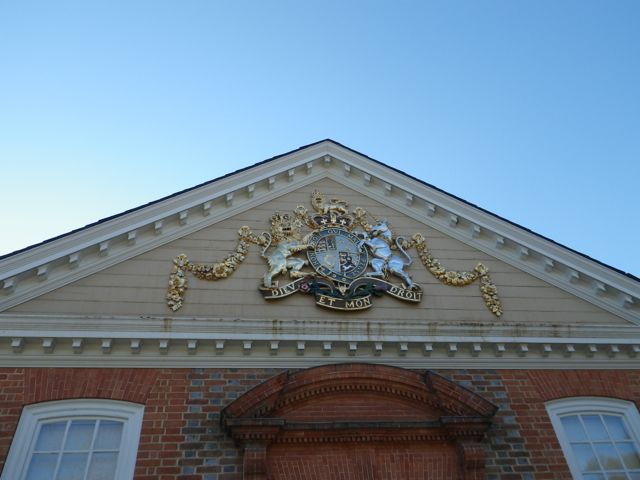
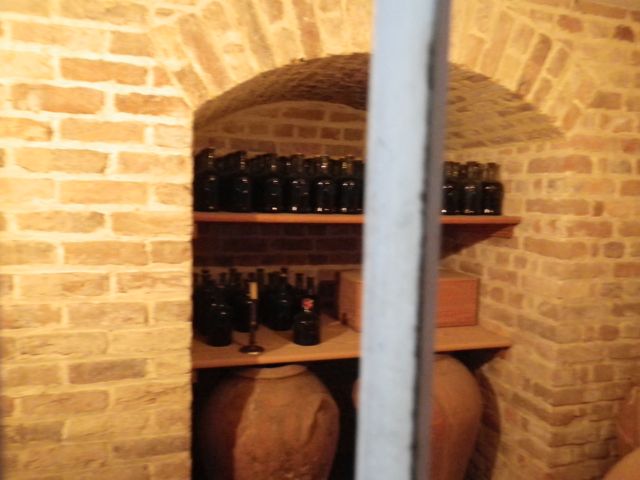
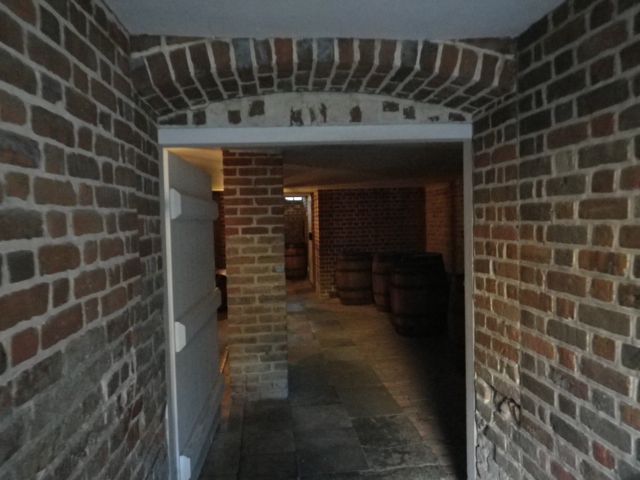
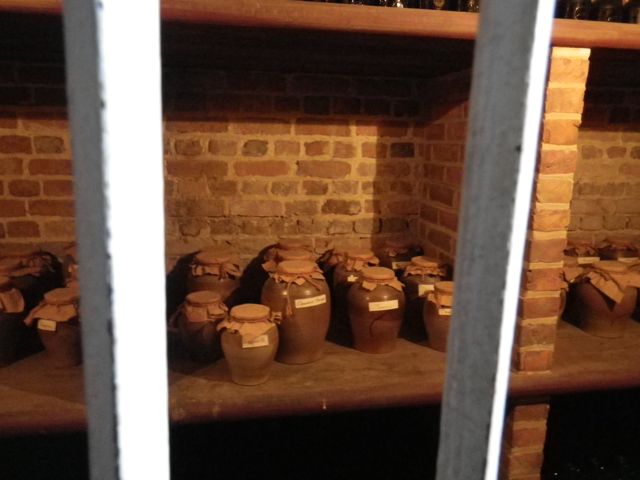
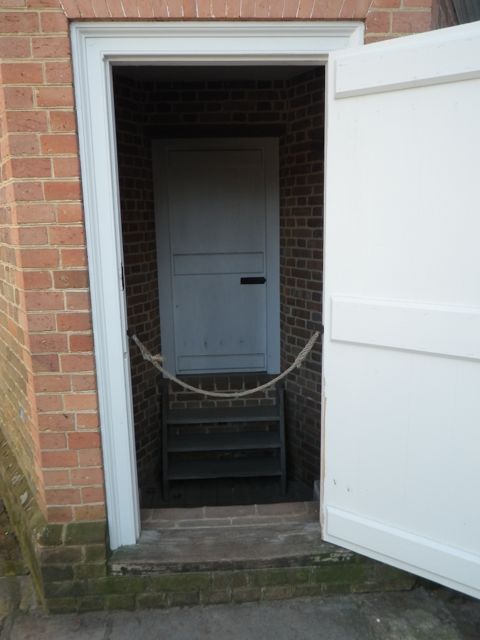
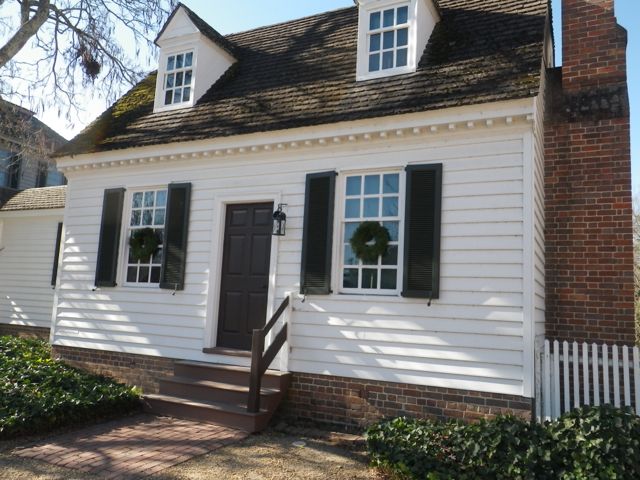
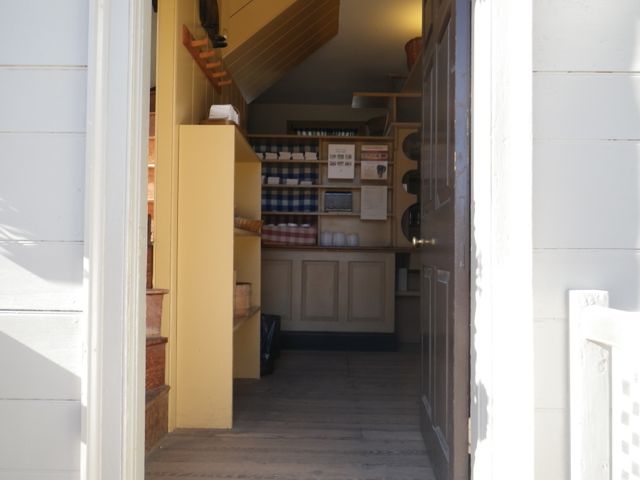
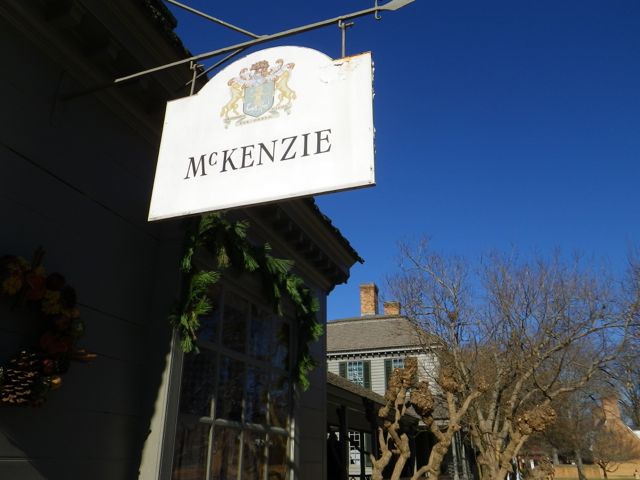
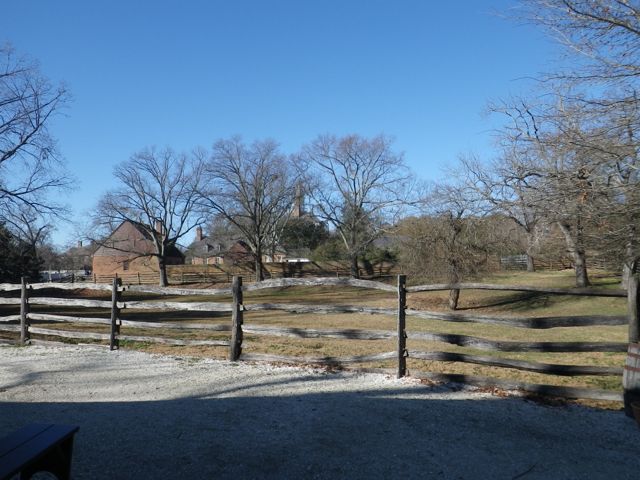
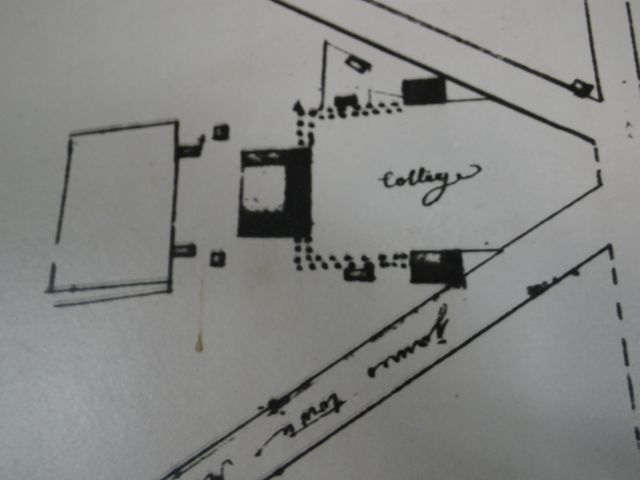
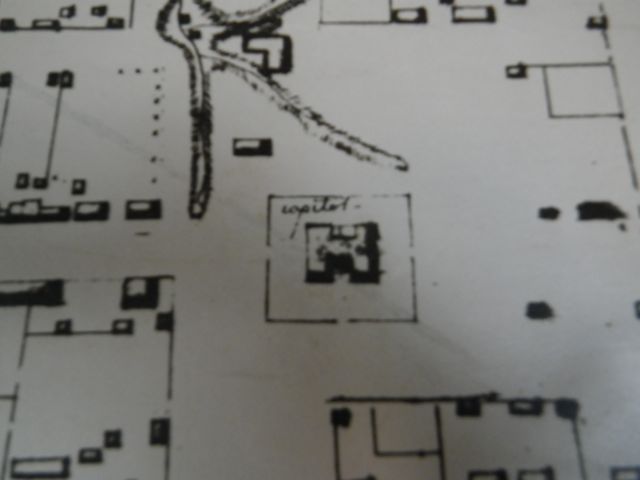
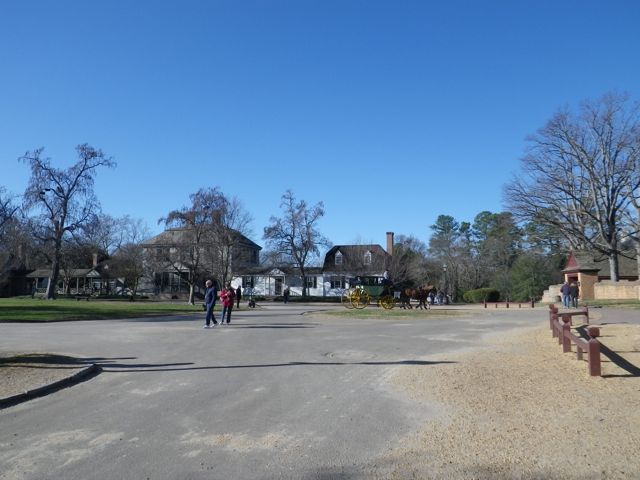
After the governor’s palace, I wandered over to the first house that had a flag. There was a waiting period for the tour and the lady out front told me that I was much better off getting in line to view the Wythe house across the street as it closes at 1:00 and there were only a couple of tours left.

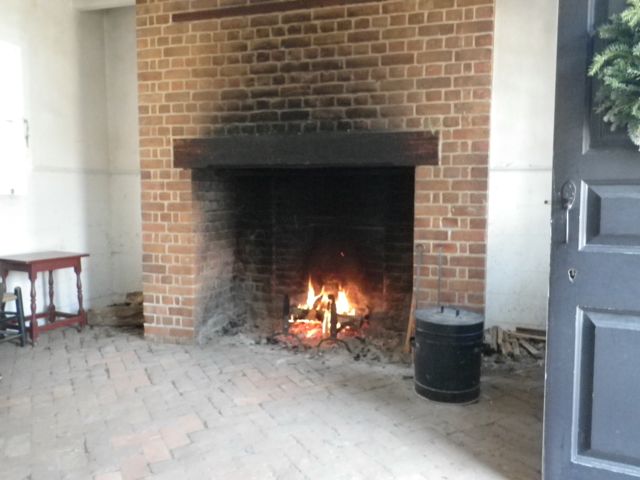
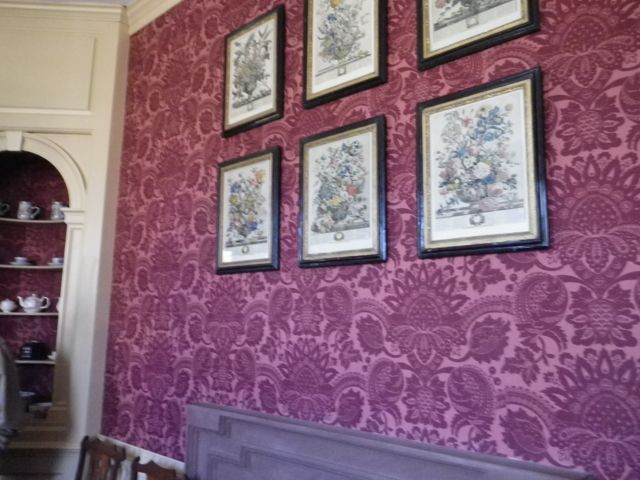
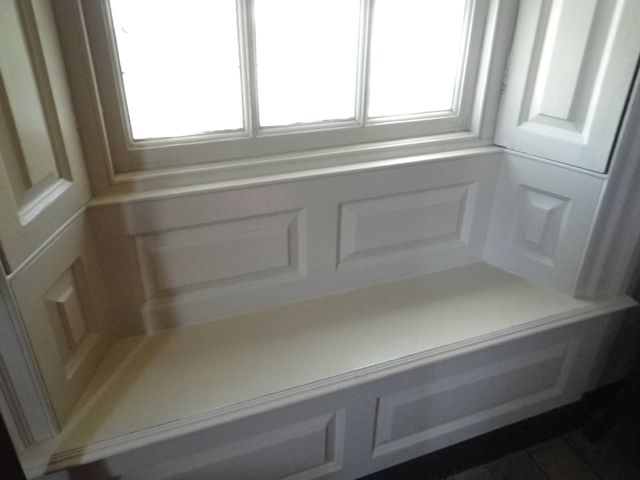
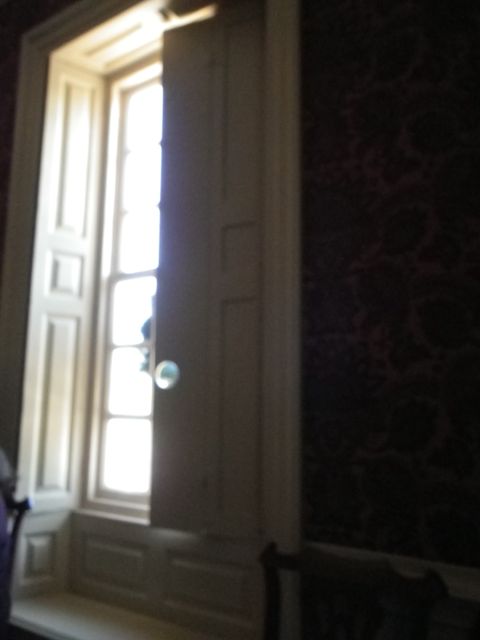
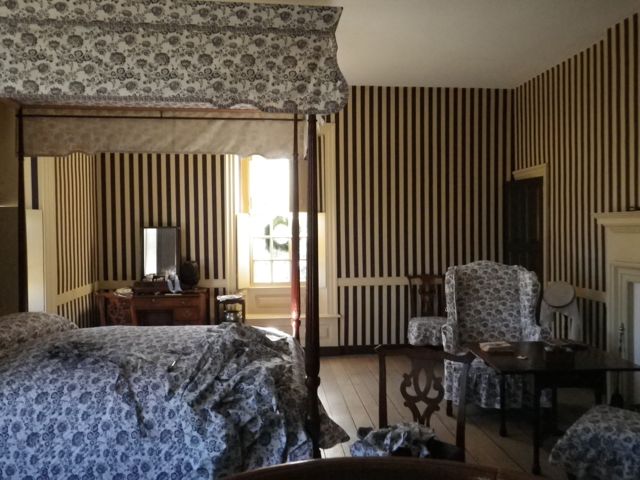
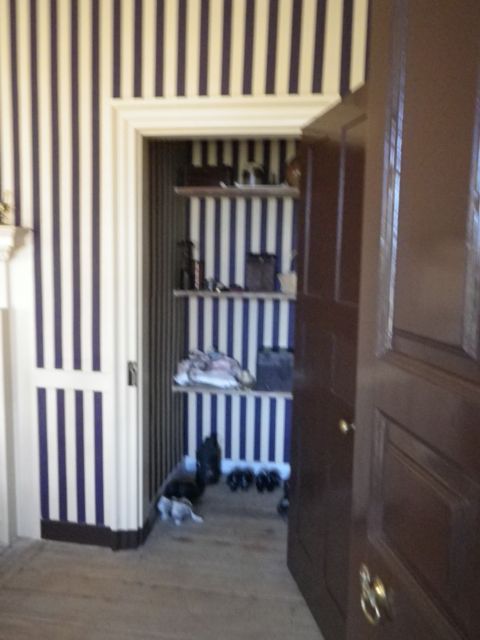
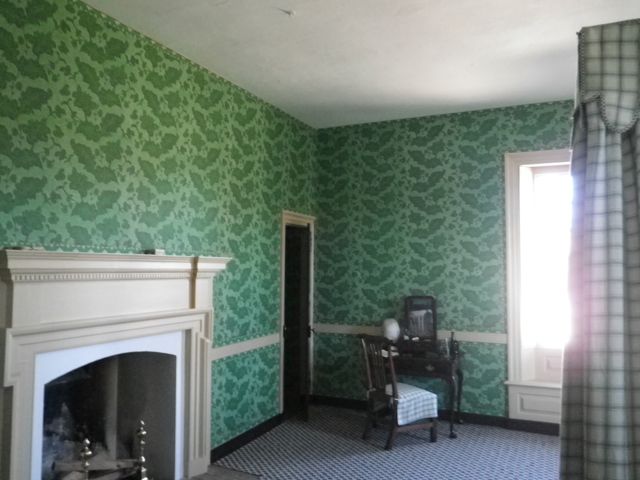
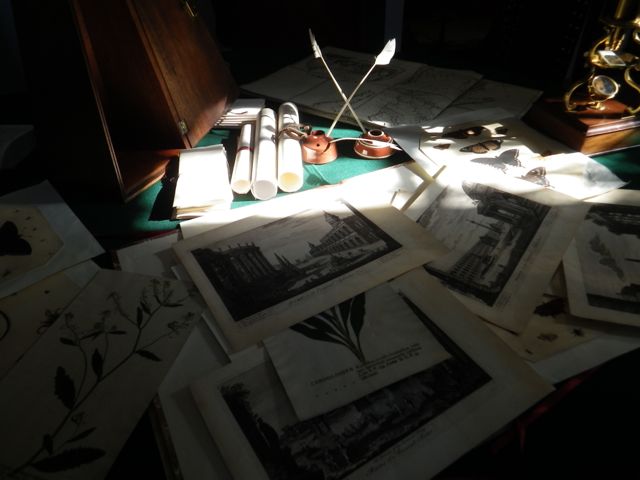
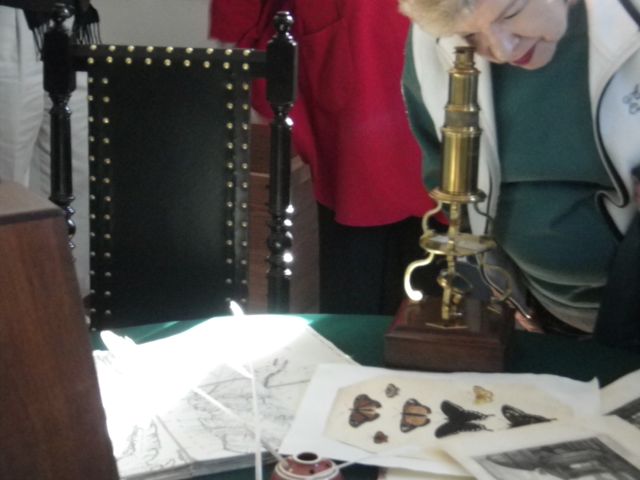
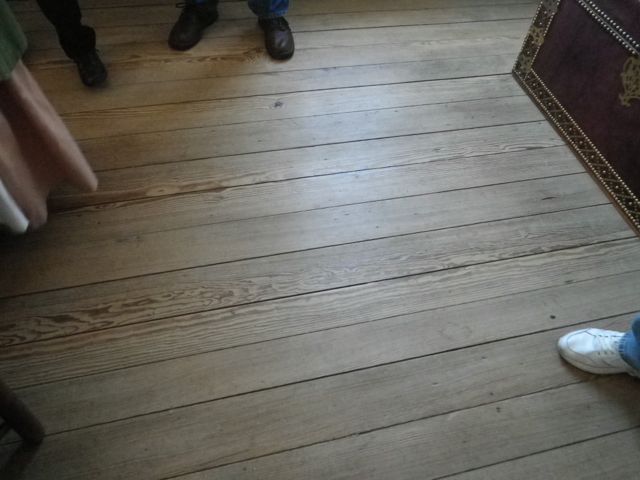
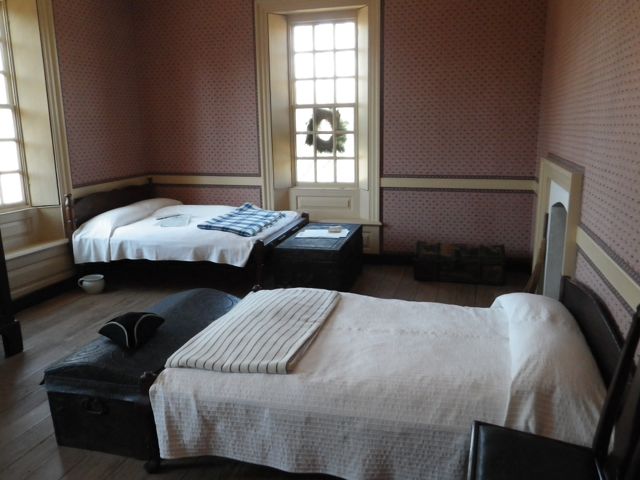
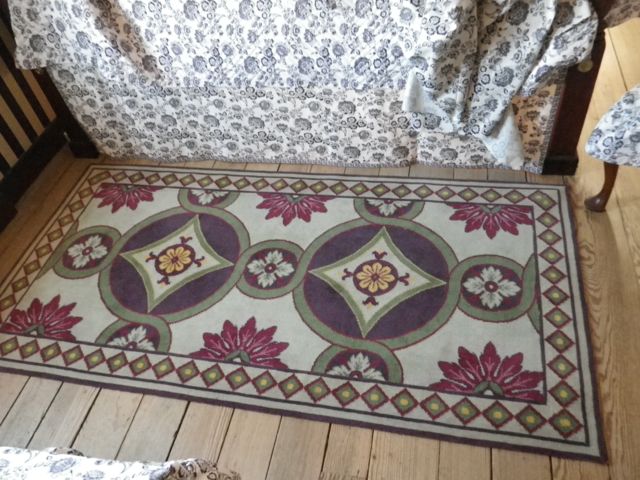
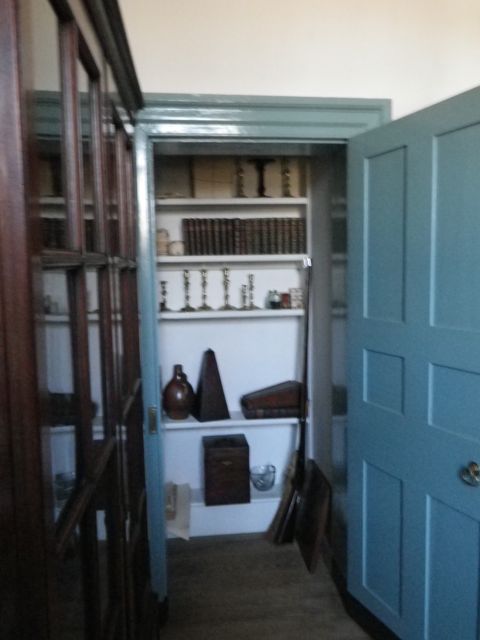
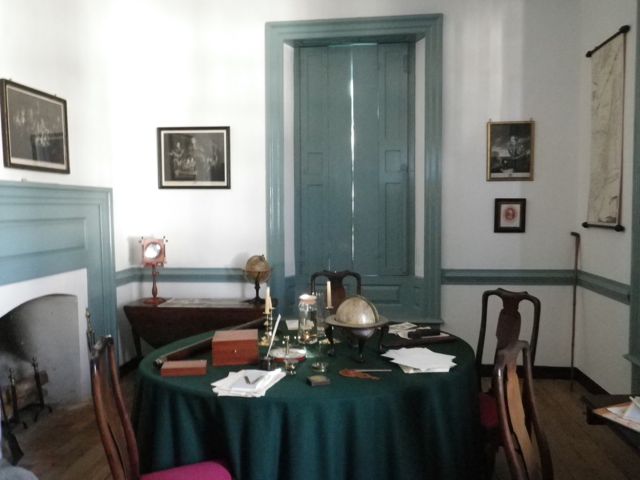
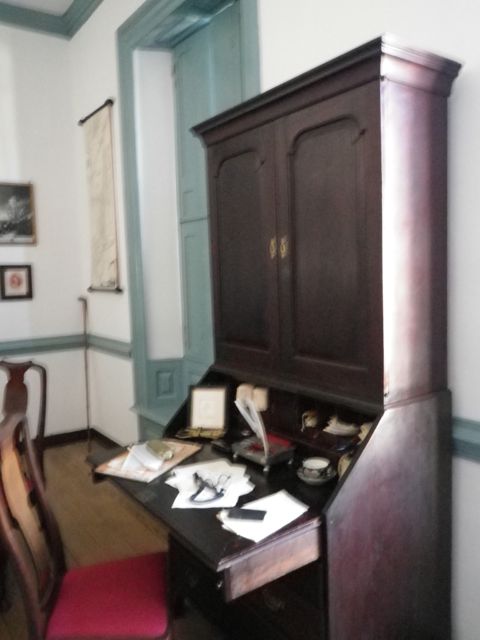
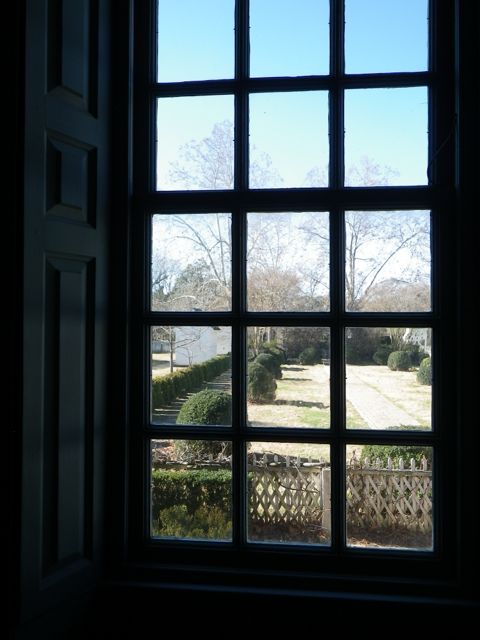
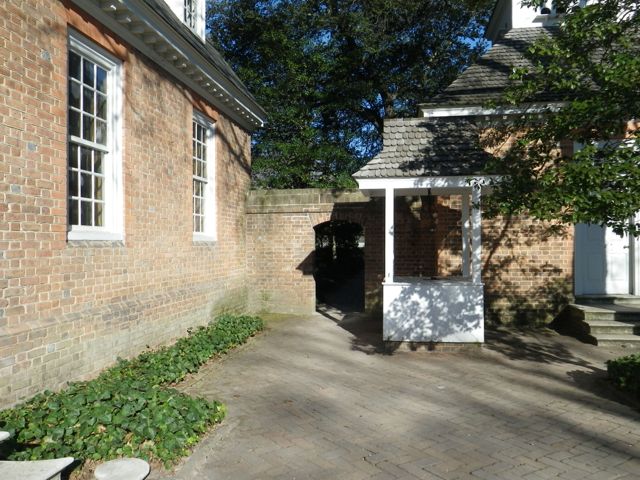
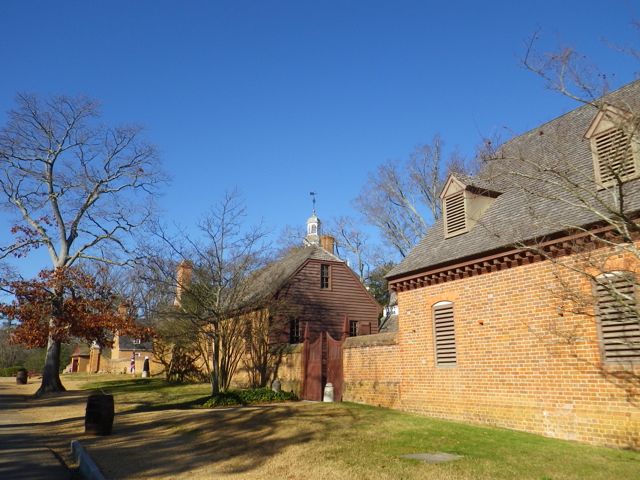
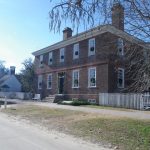
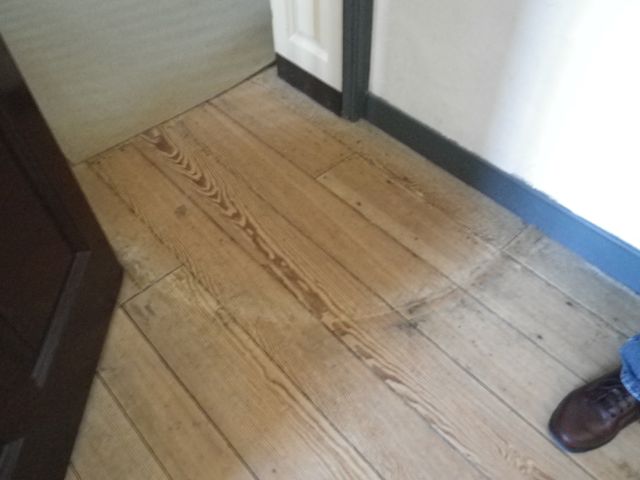
This is because the house is one of the few period buildings remaining and it even still has all the original 18th century woodwork, including the floors. Of greatest importance to most guests is this is the house where Thomas Jefferson studied law, so you can actually walk on the same floor and through the same doors as he did.

George Wythe was the first American law professor and a prominent opponent of slavery. The Wythe house was a wedding gift from his second wife’s father. They had no children, but they did received nieces and nephews regularly, as well as the Jeffersons.

Colonial Williamsburg, Part Two: The Governor’s Palace and Patrick Henry

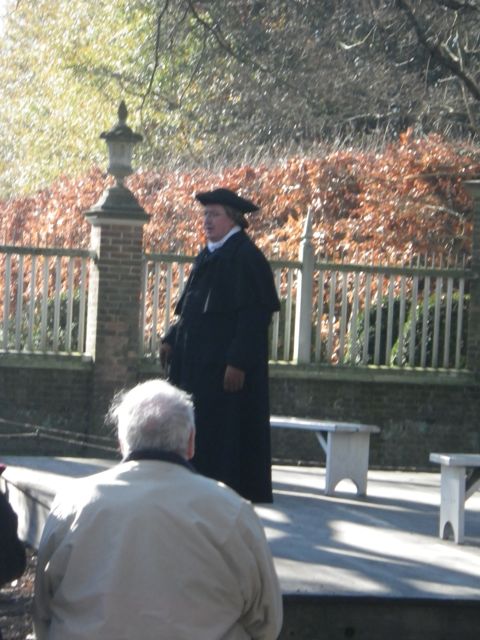
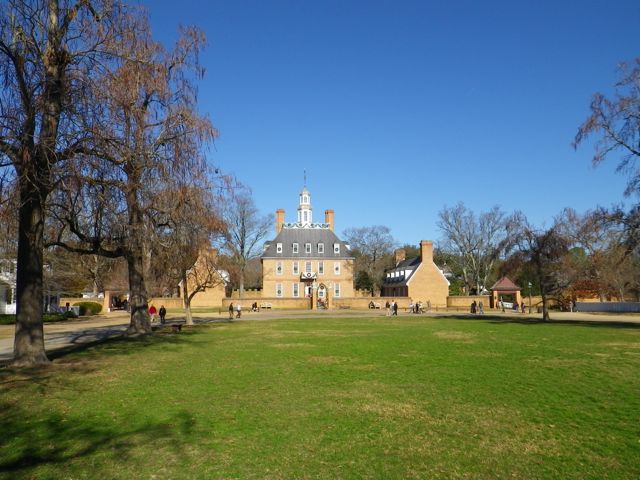
First stop in Colonial Williamsburg is the governor’s palace. A popular activity there is to listen to a speech by one of the founding fathers, Thomas Jefferson or Patrick Henry. The fellow who plays Jefferson apparently looks like him… because he is a direct descendent of him!

On the crisp morning of my visit, the talk was by Patrick Henry. Other than his “give me liberty or give me death” speech, I didn’t know much about him. With the talk being 45 minutes, I didn’t expect to stay through the whole thing. The reenactor was so good, that I hung onto every word! I really would suggest not missing this if you go to Williamsburg.

(As point of reference, by this point, it was 11:30 and I had already been in Colonial Williamsburg two and a half hours!)

All the open buildings in Colonial Williamsburg have an English flag outside the entrance. The governor’s palace did not. It was just open for private school tours. But we could wander around the grounds.

Colonial Williamsburg, Part One: Introduction and the Hopes Plantation

It is a very weary and happy time travel who posts tonight! My day in Colonial Williamsburg was much too full to do it justice in just one post, so I will be breaking it up into several.

Williamsburg is known as the Revolutionary City. It was the first capital of Virginia and the centre of political activity that would lead to the United States declaring its independence from England.

The historical part of the city, Colonial Williamsburg, is a huge living history museum set circa 1774, just before the American Revolution and the ratification of the Declaration of Independence. I’ll get a little more into some of the history as I work my way through the exhibits.

While Colonial Williamsburg is a living history museum, it is not like so many others I have visited where the costumed interpreters play a part and pretend they are actually living in that era. While they may take on the persona of an 18th-century whatever, they are still their 21st century selves and can answer questions as such.

In order to visit all the exhibits, you must purchase a ticket, which is $39.95 for one day. I got lucky and was able to buy my ticket through Groupon for $19.95. But, spoiler, $39.95 is a bargain!

My tips for Colonial Williamsburg: wear comfortable shoes, bring your own water and a picnic, don’t think you’ll find one-of-a-kind souvenirs, and if you absolutely want to pay huge prices for dinner, reserve very early to eat at one of the taverns. Yes, much of Colonial Williamsburg is a giant tourist trap, but one that is still well worth doing!

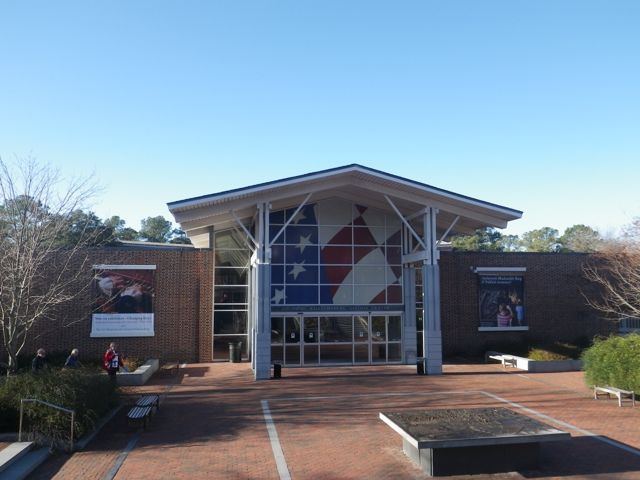
Plan a lot of time to visit Colonial Williamsburg properly. I arrived at 9AM and by noon I hadn’t even set foot in the core of the city yet! Many visitable buildings include tours of 20 to 45 minutes in duration and you can easily spend 10 to 15 minutes in each of the other ones watching demonstrations. I decided to work my way through the city, devote myself wholly to the activity in which I was engaged, and not bemoan missing anything when the day ended.

One interpreter gave me a valuable tip. While the town buildings and tours close at 5PM, the museum closes at 7PM. A good way to organize you day is to travel clockwise around the city, finish with the museum, and then hop on the free shuttle to get back to the Visitors’ Centre.

I don’t take notes, so the following pictures provide information I remember, but in no way encompass the whole of what I learned during my visit. You’ll just have to come to Colonial Williamsburg one day!

The Canadian War Museum (Very Briefly)

My eight year old nephew, R, expressed a desire to visit the Canadian War Museum in Ottawa. I decided that it would make a nice day out for us and mentioned this to my mother. She came over last night to let me know that today was R’s last day off from school for a while and that he had nothing planned. So if I wanted to go to Ottawa with him, I had to decide immediately. Needless to say, I was on board!

I picked him up at about 8:30 this morning and we set off westward. Getting out of Montreal was tricky enough for R to actually worry about whether or not we’d make it. He was very relieved when we finally hit the open road!

I asked him why he wanted to visit the War Museum and his answer was delightful; he was just curious. He’d been to the Nature and Science & Tech museums already and felt that his education was missing a visit to this museum.

At some point along the way, the subject of lunch came up and I mentioned that we would be eating at a restaurant. His eyes lit up and he said, “Sushi!” Ah, R and I are kindred spirits! 😀

I really should have done some research ahead of time about Ottawa sushi restaurants as I didn’t eat sushi back then, strangely enough. Now that I think about it, I really can’t figure out where my sushi obsession came from, but I digress. At any rate, I decided to just head for the heart of Chinatown, where I knew I’d find several suitable options on Somerset.

We parked at the corner of Arthur right in front of Koreana, a Korean BBQ place that also serves sushi. R said that there was no sense going any further, or crossing the street, so that’s where we ate. We had a great lunch!

I ordered a combo meal with nigiri, tempura, delicious glass noodles, veggie pancake thingies, and more. R asked for ‘shrimp with rice’, which I correctly guessed was ebi nigiri without wasabi, as well as ‘cucumbers with seaweed’, which I also correctly IDed as being kappa maki. I thought that there would be more than enough food for the two of us, but I wound up having to order him another six pieces of the kappa maki, of which he ate four, and I had the last two.

What I most appreciated was that the meal came with a complimentary delicious miso soup and a bunch of Korean sides! I had a chance to try radish pickles (YUM), kimchi (it’s true what they say, the stuff needs to grow on you…), potatoes with a sweet glaze, and some unidentified tasty green veggies with sesame seeds.

Our Koreana spread.

Chinatown is tiny, but then again, so is Ottawa proper. But there’s no mistaking you’re there as the area has the ubiquitous arch:

The second to last time I went to the War Museum I actually left my car parked in Chinatown and hoofed it, a distance of just a couple of klicks, but I didn’t want R to be tired before we arrived. The last time I went to the museum, I lived just north of it in Gatineau, within even closer range, so I just ambled over.

So we piled back into the truck and I drove us down to the museum, which is located at the intersection of Wellington and the John A. MacDonald Parkway (no, dear, he did not launch the McDonald’s restaurants). I didn’t get to take a picture of the exterior, so I’m borrowing this one because the Canadian War Museum is housed in a spectacular building!

http://www.navy.forces.gc.ca/cms_images/centennial_images/events/canadianwarmuseumnightview_530x352.jpg

Parking is underground and I worried that my truck wouldn’t fit. My mother scoffed at that, but my fear was justified. I had only a couple of inches of clearance from the lowest points in the ceiling, but my roof rack brushed against the clearance signs! I parked right at the bottom of the entrance since I just fit down the ramp and figured I could just squeeze back up.

There is now an admission to the museum, and it’s not cheap when you factor in parking. Admission for the two of us was $23 and then I had to add another $12 on top of that for parking!

The museum feels like a bunker:

Lobby area.

The theme of the museum is Canada’s place in global conflicts. So it starts right at the beginning with wars against the Native Americans and between European powers before Canada was even a nation, then moves to the Boer and First World Wars, the Second World War, the Korean and Cold Wars, and then modern conflicts. This year, there is a special exhibit about the War of 1812.

R liked this exhibit and the beginning of the main museum a lot because he is currently studying the Iroquois at school and he got lots of information for an upcoming project. He especially enjoyed an activity where we were shown how to do ‘wempum’ style beading like the native peoples did. It was explained to us that the beads and patterns all told a story.

Arts and crafts are fun! I beaded this purple and white key chain. 🙂

The interpreter teaching this activity told us to keep an eye out for a blue and white belt symbolizing two powers (as rivers made from blue beads) sharing one land peacefully (white beads). I dryly commented that Quebec could learn something from that belt and the guy burst out laughing. This is the belt:

We moved on to the US Civil War era, where I found my gaze falling onto a Gatlin gun. I still can’t believe that machine guns like these existed that early on!

the first machine gun, US Civil War era

The WWI exhibit has a fun bit where you can determine if you would have been eligible for service by making you check your height, foot arch status, eyesight (I’m apparently blind), and teeth.

We have normal feet; not flat, not over arched!

We spent some time at a computerized display listing all the Canadians who served in WWI. I typed in Henry Blake and my great-grand-father’s listing showed up:

My great-grand-father’s enlistment papers for service in WWI.

I tried to convey to my nephew that this was his great-great-grand-father and that he, R, wouldn’t be here if this man hadn’t existed, but I don’t think that sank in.

And then came my favourite exhibit. I remember seeing it at the old war museum way back yonder with my dad and it never ceases to fill me with a sense of awe that it is here, in Ottawa:

Hitler’s car

That caption is correct. This is the car you see in photos of Hitler standing in a car saluting his troops. Through some miraculous circumstances, the car survived the war and was shipped to Canada, where it is now available for all to see. That car gives me the shivers.

Believe it or not, R walked into this exhibit area and said, “Oh, Nazis!” He actually had a little bit of knowledge about the era and a sense of who Hitler was (“A very bad man with a little mustache.”) What amazed me the most was when I told him that the car is Hitler’s, he asked if it was “built for the museum to be like Hitler’s car or an artifact?” I was stunned! He casually replied that he’s studying artifacts at school and understands that some things in the museum are reproductions and others are real. Wow!

This exhibit also includes a captured Nazi flag:

captured Nazi flag

I was disappointed to not find the exhibit that completely ruined Indiana Jones and the Last Crusade for me. In the movie, there’s a scene where Jones literally runs into Hitler and gets his autograph. ‘Hitler’ signs his name using a pointy A for Adolf. The old war museum had a bunch of documents signed by Hitler, showing that he made round As. (Yes, I’m a history nerd and this kind of detail fascinates me!)

There is also a sad reminder of Hiroshima in this exhibit:

This was a temple roof shingle that miraculously survived the atomic bomb while the temple itself was destroyed.

I rushed us through the more modern era stuff as R reads really well and some of the texts were very graphic, as were the photos. It’s all well and good that he learns about the dark side of human nature and another to bring him home completely traumatized. Moreover, I started to get emotional as we went through exhibits of conflicts that have occurred in my life time, including the Rwandan genocide and the current conflict in Afghanistan.

At the end of the exhibits, you can enter the ‘point’ of the building:

And then you enter a huge space filled with just about every military vehicle ever used in conflicts Canada has been involved in. R said this is what he will remember most, and with good reason. This section is impressive!

Just a tiny corner of the vehicle exhibit.

Me: “I want one of these amphibious German vehicles to tow behind my motorhome!” R: “You’ll need to go back in time and ask the Nazis for one. That doesn’t sound like a good idea.”

Both of us in unison: “Hey, it’s the Bat signal!”

This vehicle’s front end was destroyed when it hit a landmine in Afghanistan in the early 2000s. Thankfully, the vehicle was so well armoured that everyone survived.

Just a few of the tanks on display.

R noticed that this tank was missing its chains.

We did a quick tour of the gift shop on the way out (he asked for and received a $1 post card!). By the time we headed for the truck, it was past 4PM and I had said I would bring him home by 6. So I called in with the change of plans and that we’d be getting supper en route.

Getting out of Ottawa was a little tricky because of traffic and construction, but I know that part along the Queensway so well that I just wound and wend are way around until we could finally get onto the highway. It was stop and go to the Orleans junction and there was a bit of construction along the way, so we did not make good time.

By the time we hit Rigaud, R needed a break so I decided to stop early for dinner. He wanted poutine and I decided that he’d had a nutritious enough lunch, so I agreed. We split one, but it wasn’t enough for him, so he asked for something I have seen in years, a pogo:

pogo

I think the English world calls these corn dogs. I can’t stand them, but R was thrilled with the treat. I’m just glad that’s not the first thing he mentioned to his mom when he got home! 😀

Today was completely off the cuff and unplanned, like a proper adventure. R is a great kid and I couldn’t have imagined a better companion today. It’s been a very long time since I’ve gone on a day-long adventure with a youngster and I enjoyed it!

Riding the Montreal Métro

I’ve always loved riding the Montréal subway. It’s called the Métro. When I was in cégep and had a few hours to kill, I would take the Métro in Longueuil and ride it all over Montreal just to look at the different stations.

The Métro has four lines: yellow, orange, green, and blue. Yellow links the South Shore at Longueuil to the Island with a stop in Jean-Drapeau Park where La ronde, a Six Flags amusement park, is located. Orange has a U-shape, running north-south in both the east and west of the city, connected at the south. Green runs east-west in the south of the city. Blue runs east-west and connects the east and west branches of orange in the north.

Montreal got its Métro for Expo ’67, a big shinding that celebrated Canada’s centennial. My mother remembers visiting the Métro when it was under construction. When she told me what station I would be taking today, I replied that it was on the blue line. She argued that it was on orange and that the blue was a recent new addition.

I thought that was weird, so when she pulled a map of the system out, I pointed to the station, saying that while she is correct and it is on the orange line, I was also correct as it is a blue line connector. And then I understood something. Even though the blue line has existed all my life since I started taking the Métro, for her it’s still the new line and therefore that the station is also on the blue line isn’t a fact she has absorbed yet. It’s really rather funny. I’ve never had a reason to ride the blue line, but I used to ride it for fun because it has the prettiest stations. But I digress.


Riding the Métro is easy. First, look for one of these signs at street level:

And make a note of the station:

You will descend at least one very steep staircase:

Now, you can either plan your route immediately by consulting one of the many maps of the system available, or you can buy your ticket and figure out your route within the system. I did not need to consult a map, so I bought my ticket immediately.

This is the only place where I noticed a difference from the last time I used the Métro. You used to buy a little cardboard ticket that the operator would slide to you. You then had to return it to him through another slot and he would manually open the gate to let you in. Now, he gives you a card that you have to put into an automated turnstile that will open when you take your ticket back, which you can then use as a transfer if you need to take bus. This eliminates the old system where you had to remember to get a transfer from an automated machine inside the Métro.

Once you are in the Métro system, you can go around and around in any direction for as long as you want as long as you do not take the yellow line and/or do not exit through the turnstiles.

Inside the Métro, I pretended that I did need to look at a map so that I could explain to you fine folks how to figure out where you want to to go.

On the big map above, locate where you are. In my case, I was at Jean Talon, which is a junction of the blue and orange lines on the east side. I wanted to take a bus to Chambly, which meant going to Bonaventure station, on the part of the orange line running east-west. My options were to take the blue line across to the west orange line and transfer, or to just take the orange line around to Bonaventure. The latter was definitely the quickest.

So I had to take the orange line from Jean Talon to Bonaventure. To make sure I got on the right orange train, that is the one going south then west towards Bonaventure rather than the orange train going north to Laval (a new extension to the line), I had to look for the terminus of the line in the direction I wanted, which was Côte-Vértu.

Now, the Métro is super user friendly, so they have another, clearer, way of showing you where you are and where you want to go once you determine what colour line you need to be on. They show the line in a linear fashion:

So now it was just a matter of finding my platform by looking for the orange Côte-Vertu signs:

On the platform, you will always find a map of the station:

And one of the neighbourhood around the station so you know what exit to take, where you’re going to end up above ground, and what buses are available (there is also a full bus map available showing all the routes in the city):

The stations all look pretty much alike, but some have pretty brickwork or mosaics. Jean Talon is ho-hum:

When you feel the rumble, the train is coming!
When the chime rings, the doors close and you’re whisked away.

I had 10 stations to travel and didn’t make a note of the time, but it took less than 15 minutes to get to Bonaventure station.

At your destination, look for the red sortie signs to make your way to the surface:

Bonaventure was aptly named for me tonight as it means good adventure. And a good adventure it was to find the bus terminal for Chambly. This town has always been a bit of the black sheep of the South Shore and the public transportation, and signage to it, has always been horrible. There were few buses on a Sunday night, one at 5:30, one at 7:30, and the last one at 11:30, so I gave myself ample time to find the right gate.

Getting off the Métro at Bonaventure, I exited the system through the turnstile, then used a combination of inadequate signage and memories of 15 years ago to make my way underground to the 1000 de la Gauchetière building, from which I knew I would find my way.

There is now a big skating rink in the atrium there:

In case you have any doubt which country I’m in right now:

Warning: Zamboni crossing

I was an hour early for my bus, so I checked my email as there is free wifi in the atrium, then I went downstairs to the bus terminal because the pounding music of the skating rink was making me feel queasy. Downstairs, I found the correct gate, which was easy since it’s still the same one! I remembered, correctly, that you can’t eat on the buses and when I realised I wouldn’t be home until 6:30 and I had more time to kill, I decided to brave the music to go grab a Subways sandwich upstairs.
The bus arrived on time and cost $7.75, which isn’t much more than I remember it being way back yonder. On paper, the 45 minute drive that passed through the Longueuil terminal and the Promenades St-Bruno seemed long, but it went super quickly. Before I knew it, I was dropped off just two blocks from home.

I wouldn’t want to ride the Chambly bus on a regular basis ever again, but getting back home from Montreal by foot, Métro, and bus Sunday night was fun!