Colonial Williamsburg, Part Five: First Impressions of Downtown, the Milliner, and the Coffeehouse

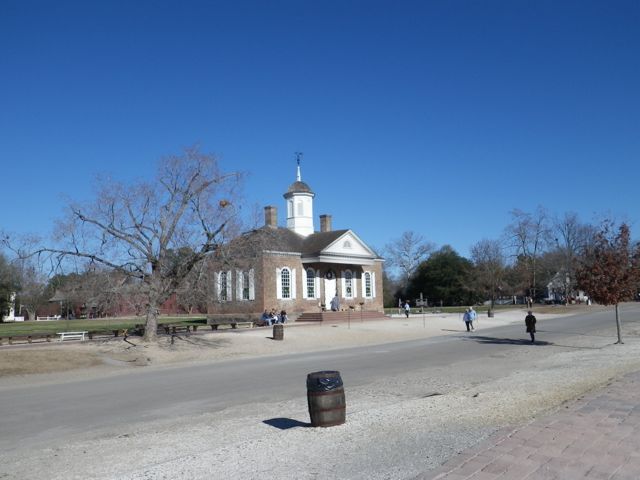
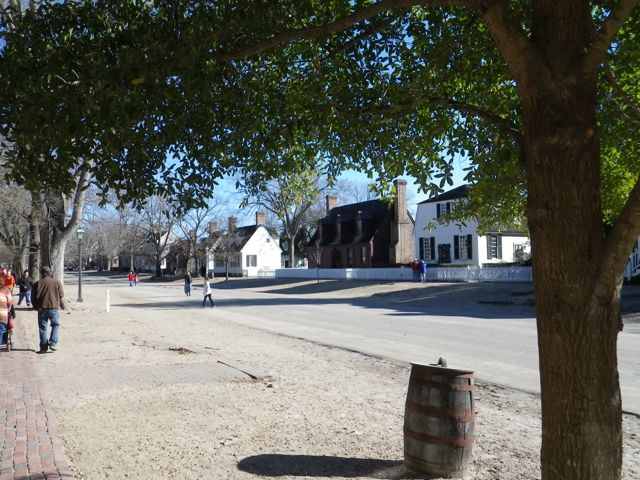
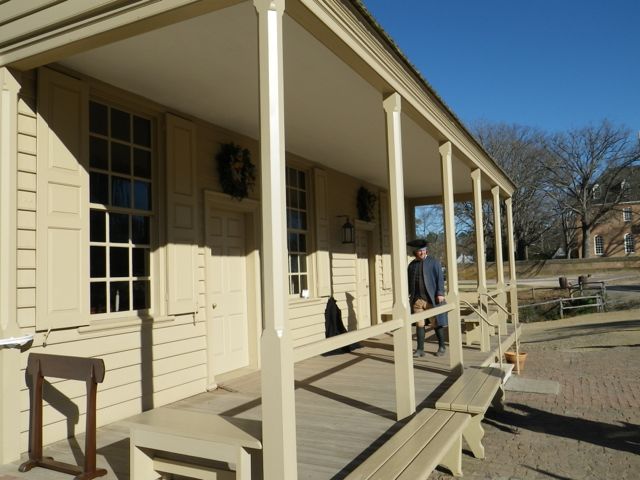
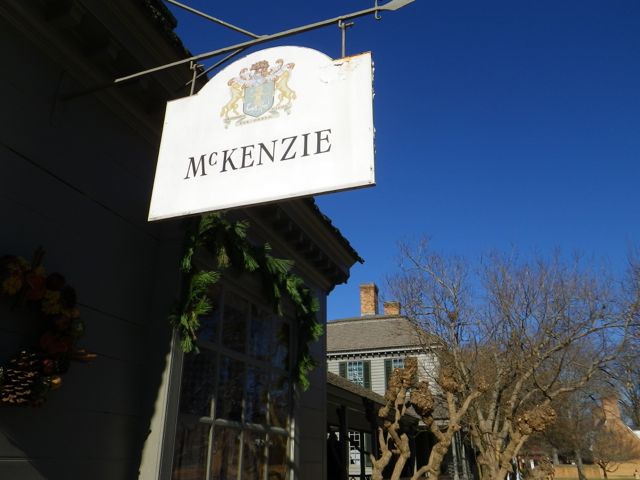
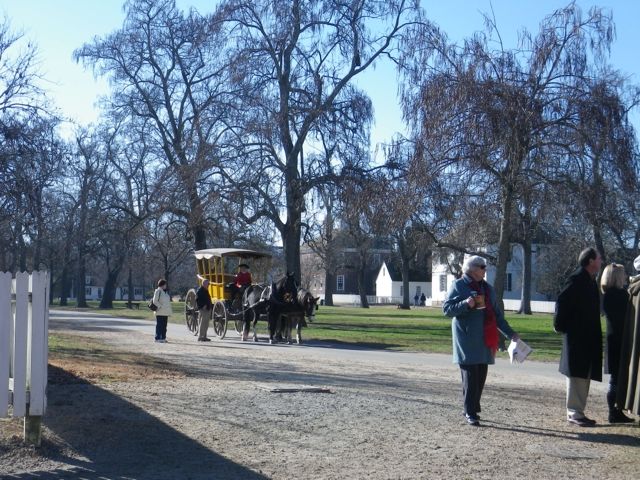
After the Peyton Randolph house, I headed to the main street of Colonial Williamsburg and started to visit the buildings with little flags in front of them. I was feeling pretty peckish by this point, but there were long lines to get into the taverns for lunch, service was apparently slow, and meals were expensive. I decided to pop into the bakery for snacks instead of wasting precious time getting lunch since we were already well into the afternoon.

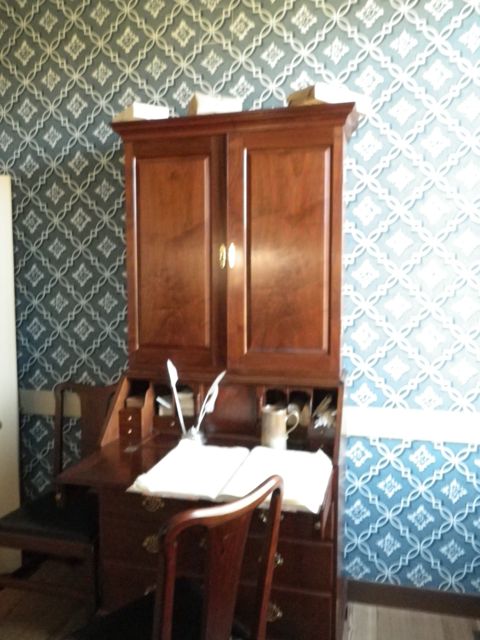
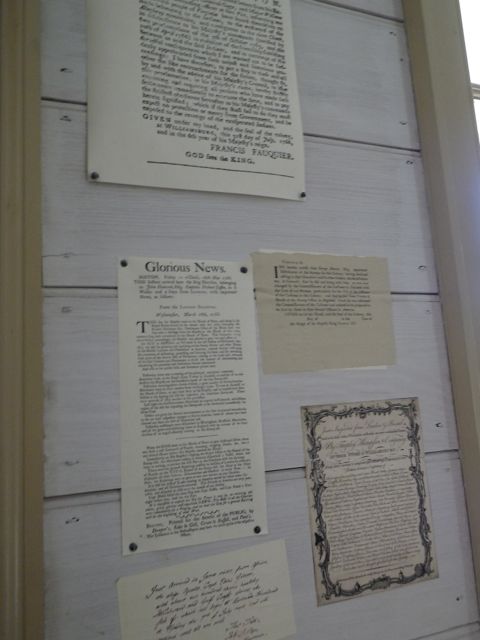
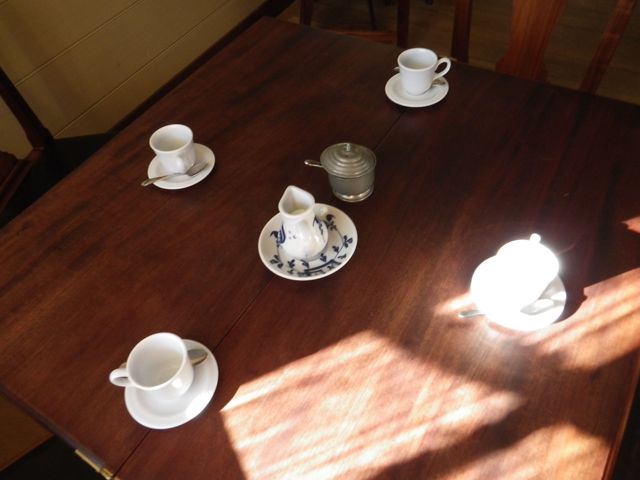
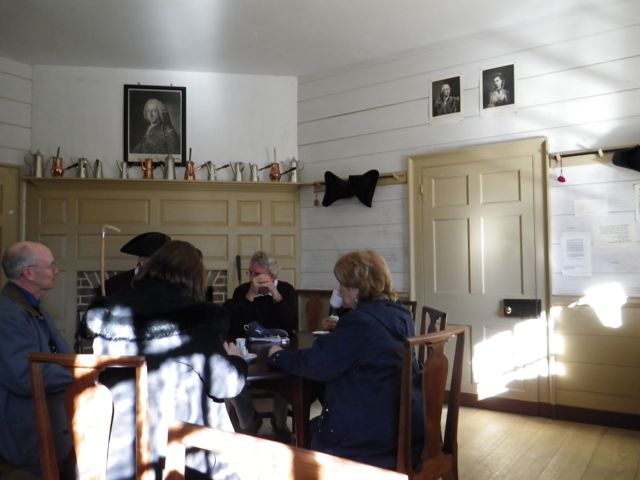
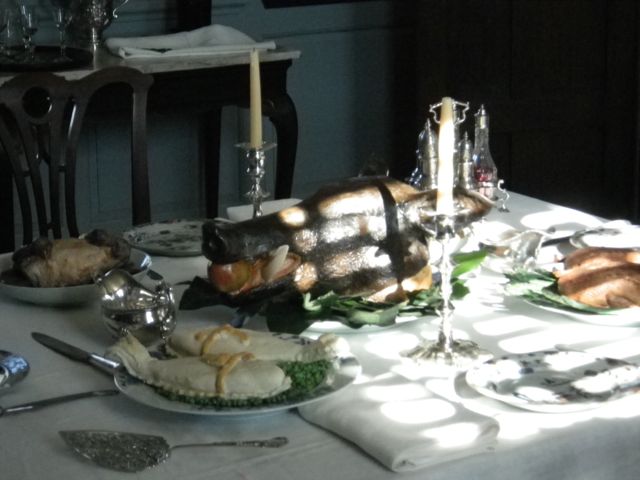
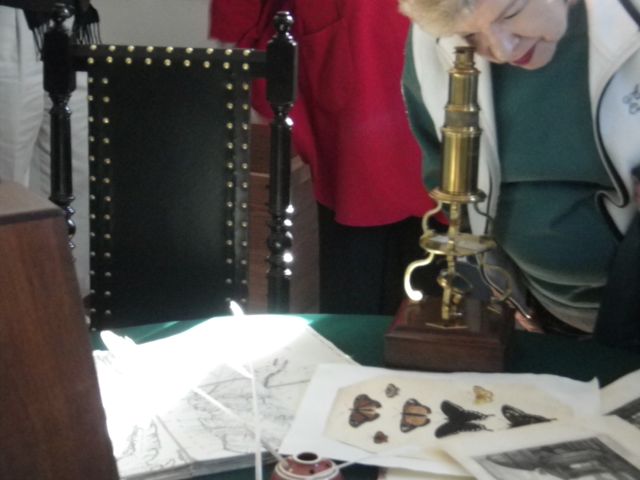
It was during this stretch of the day that I had my second favourite moment, a visit of the Charlton coffeehouse. Coffeehouses were where men of all but the lowest social classes gathered to chat about manly topics, drink hot beverages, and even rent out dining rooms for dinner parties.

Colonial Williamsburg, Part Four: The Peyton Randolph House

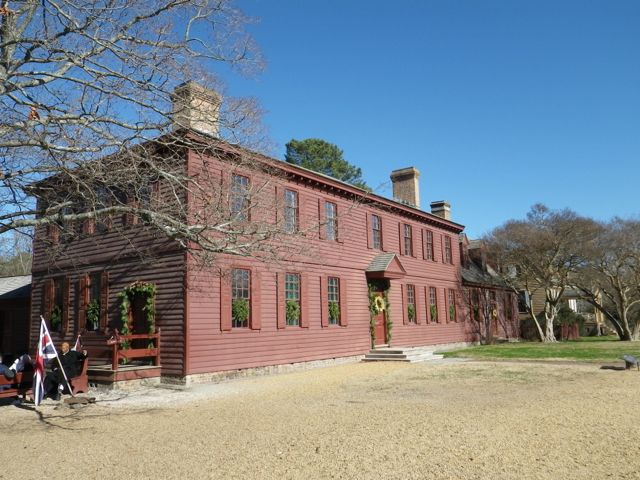
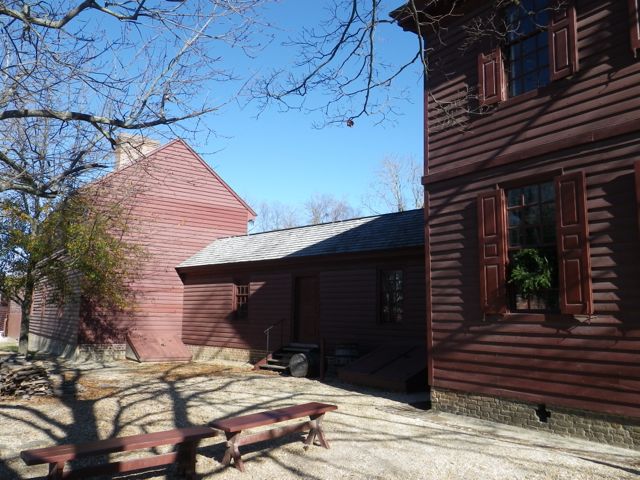
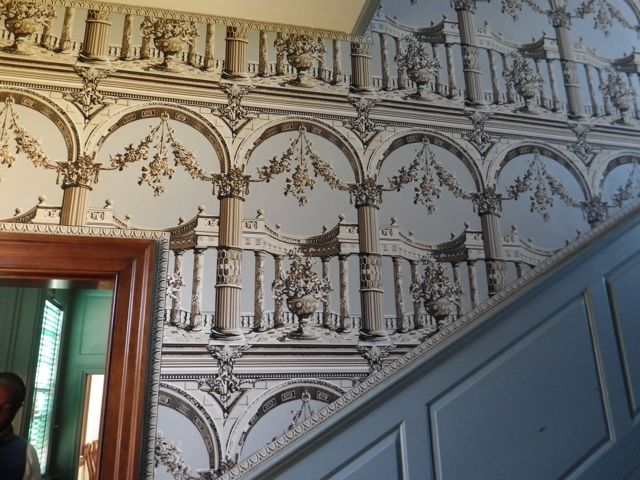
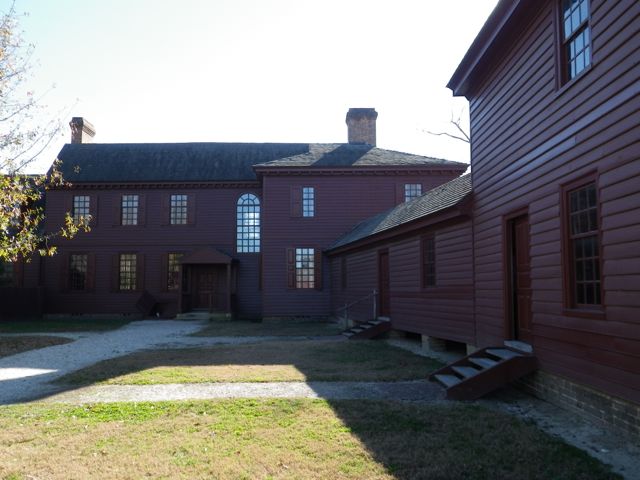
From the Wythe home, I headed across the palace green to check out a few more outlying buildings before moving to the main street. I came across the Peyton Randolph home, a prominent Virginian politician at the time.

This tour ended up being my least favourite moment of the day. The focus of the tour was about slavery in 18th century Virginia, a time when all but the poorest whites had a few slaves. We didn’t learn that much about the house or Peyton Randolph, and we were expressly forbidden from asking questions about those topics!

Moreover, our guide was a little too deep in character and almost utterly unintelligible. He spoke very quickly in a very heavy accent laced with period words and euphemisms. Most people spent the tour with a ‘HUH?!’ expression on their face and the children were terrified of him.

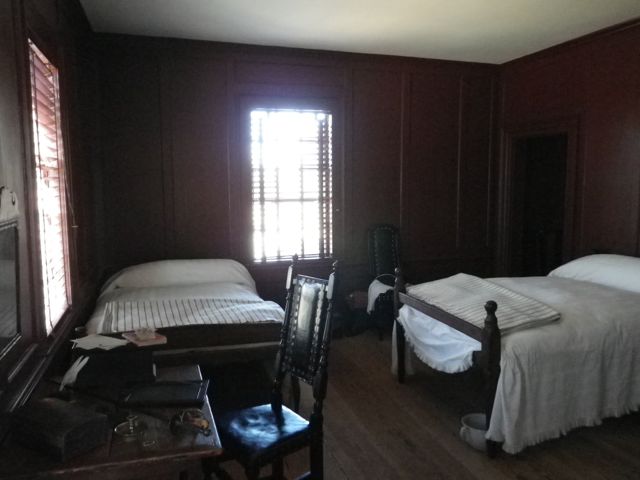
Finally, I did not like the atmosphere of the house. The Wythe home felt very bright and cheerful. I could imagine children laughing in that home, people relaxing and playing games, and slaves being well treated. The Peyton Randolphe home felt very severe. I never did find out if Randolphe treated his slaves as badly as we were told many slaves were treated, but the impression that he did definitely coloured the tour.

What I took away from this tour is just how uncertain life was for the slaves. After Randophe died, his wife got to keep her slaves, but after she passed, the slaves would be sold. We were also taught about the punishment for disobedience (going as far to cutting off limbs or tongues!).

After all of this education, we were asked to debate whether, as slaves, we would have chosen to run away, accept our fates as slaves, or be conflicted. I think that was a nearly impossible debate to have with your 21st century point of views colouring our judgment. I said that I would run away “because nothing could be worse than this.” The next person said, “I’m staying because if I do as I’m told, I have food and clothing.” The kids chimed in also, with one making us all laugh when he said, “I don’t like being bossed around, so I’m leaving!”

All in all, this was a worthwhile tour and I do not begrudge the half hour or so I spent on it, but I think it could be refined.

Colonial Williamsburg, Part Three: The Wythe House

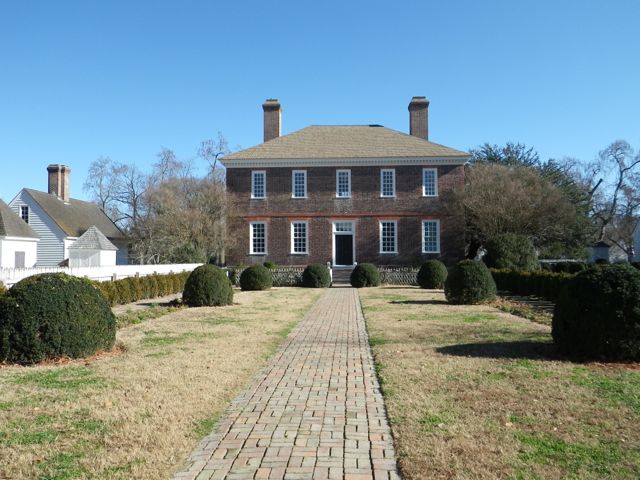
After the governor’s palace, I wandered over to the first house that had a flag. There was a waiting period for the tour and the lady out front told me that I was much better off getting in line to view the Wythe house across the street as it closes at 1:00 and there were only a couple of tours left.

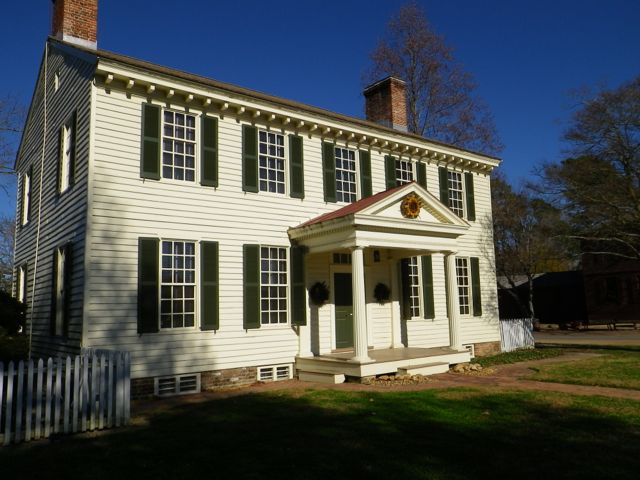
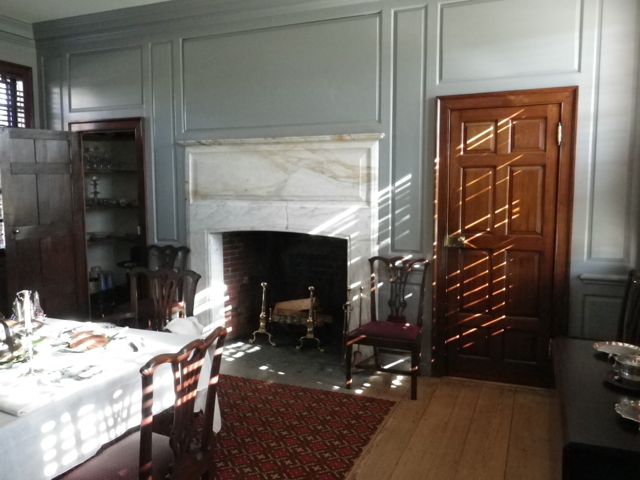
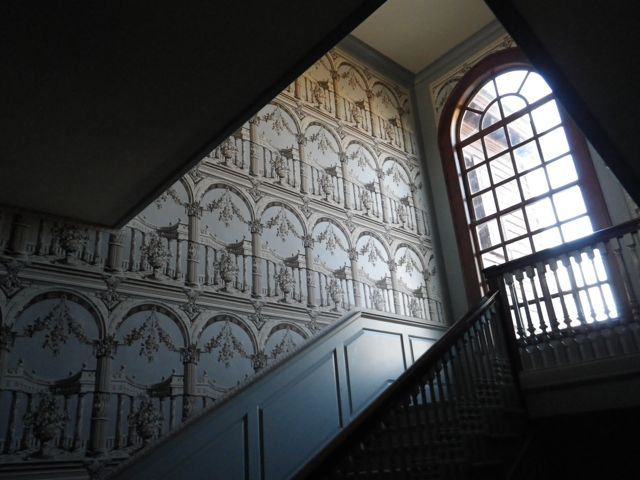
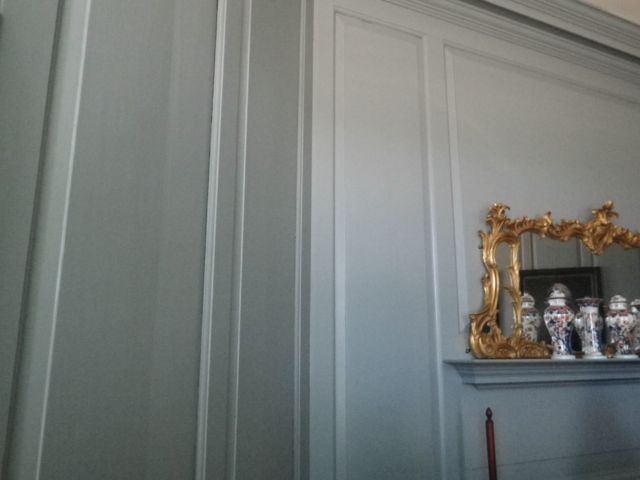
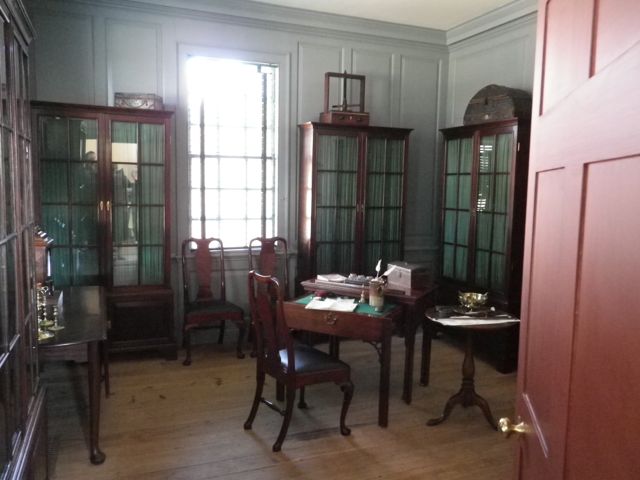
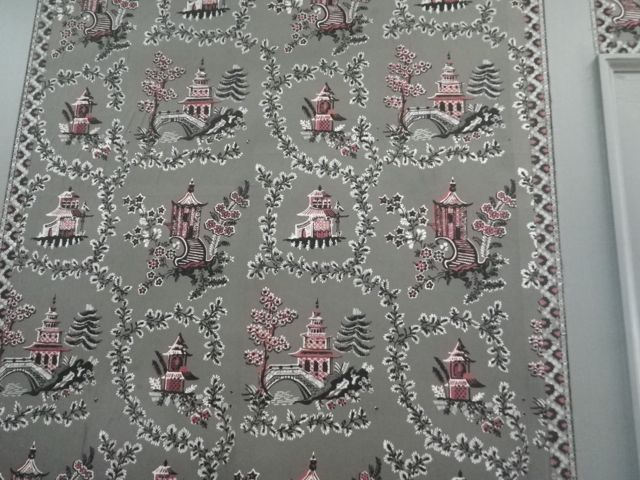
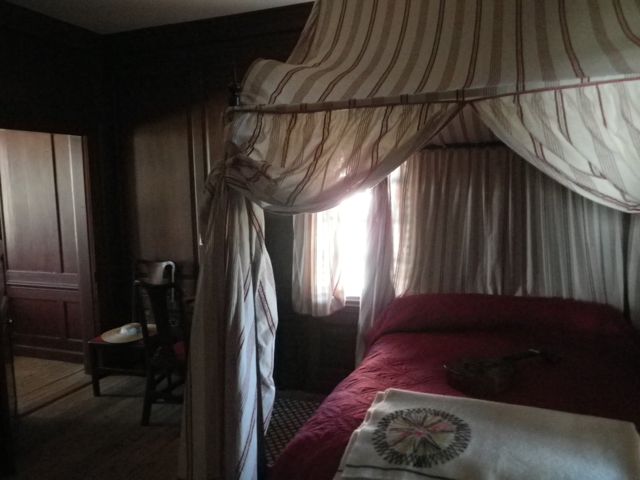
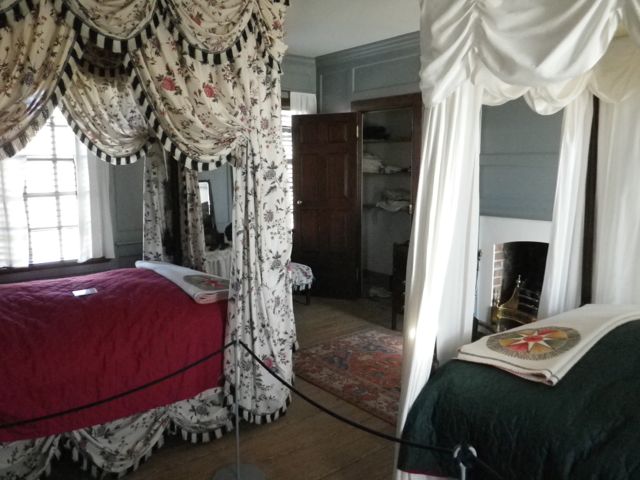
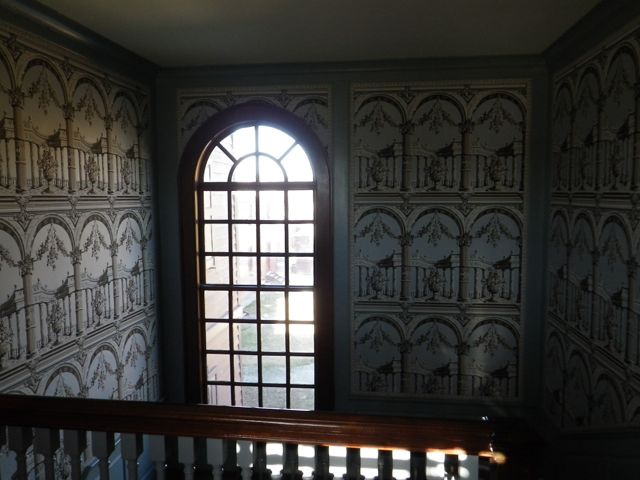
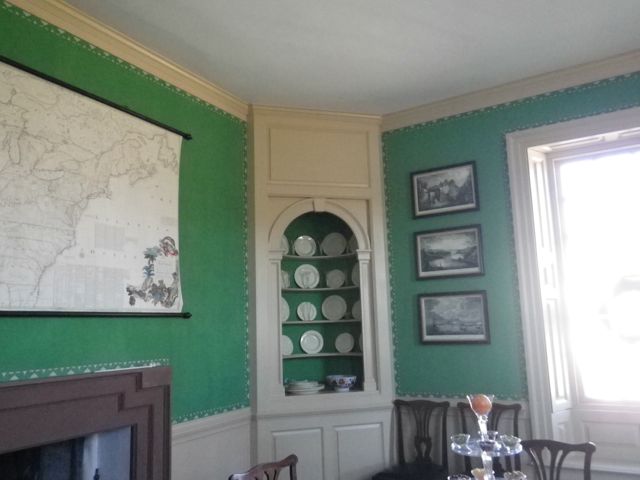
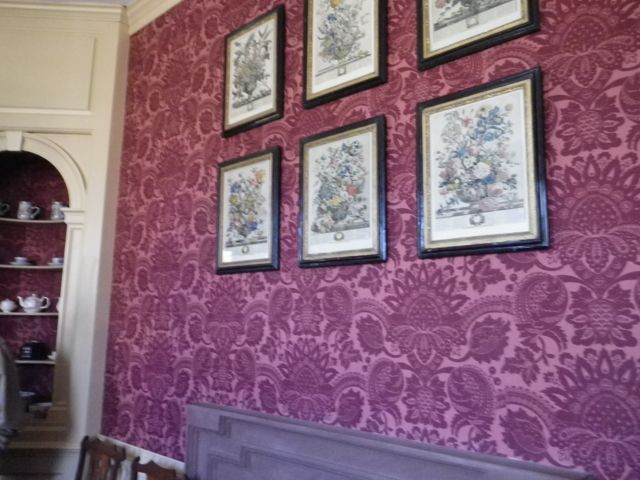
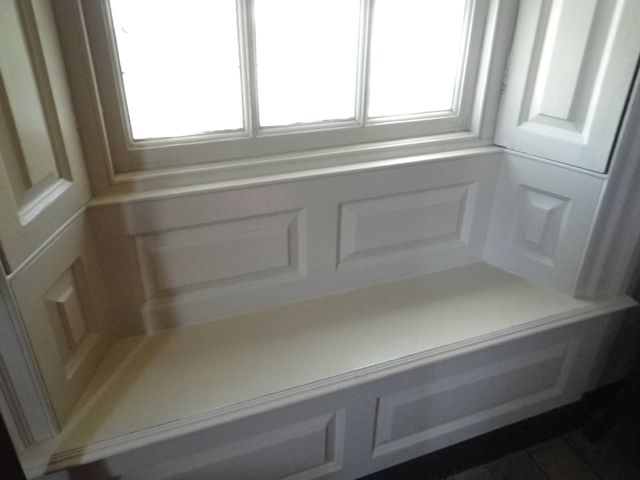
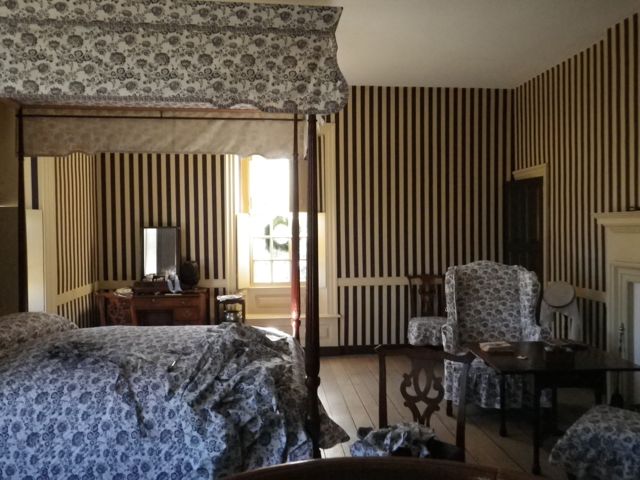
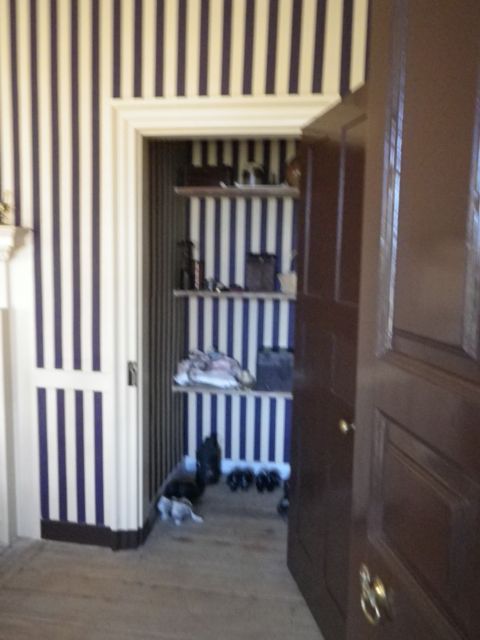
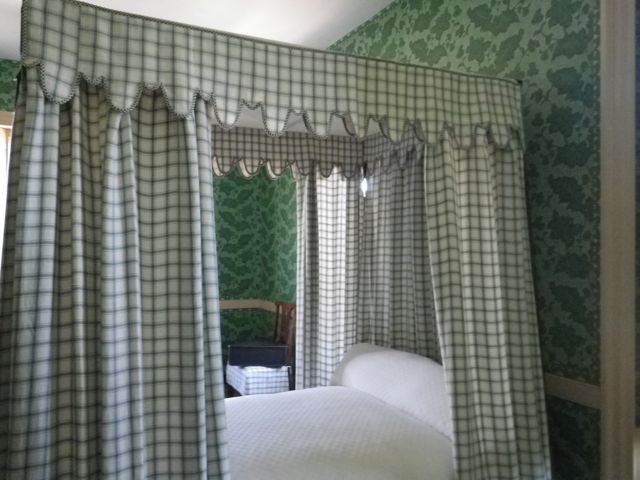
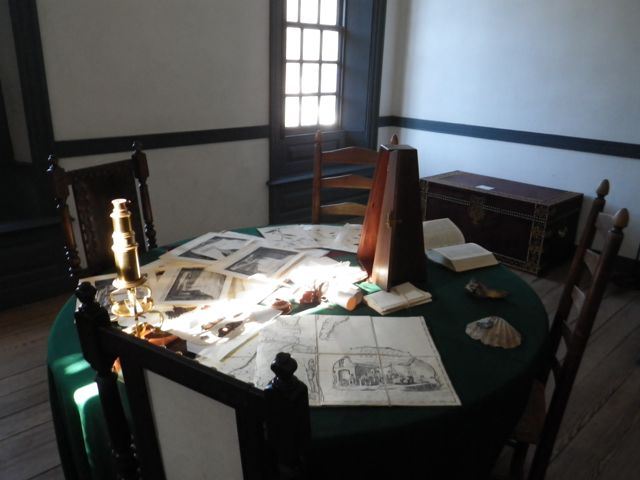
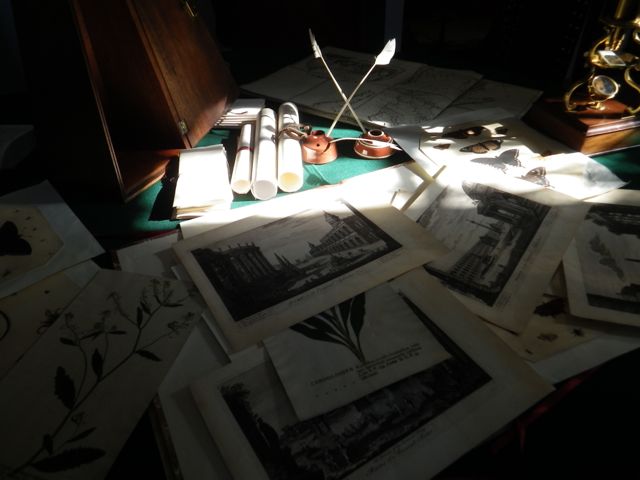
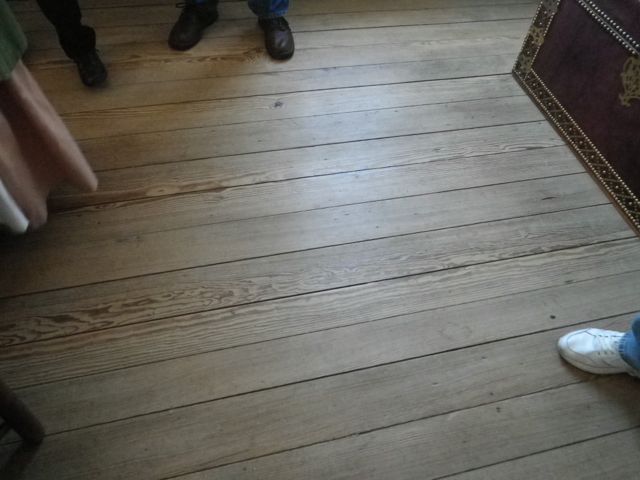
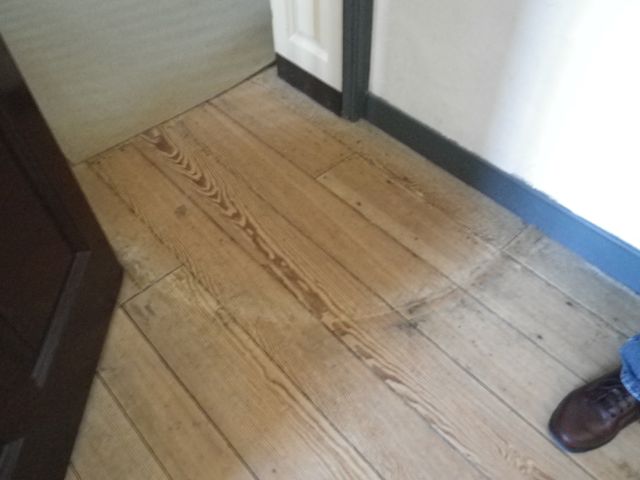
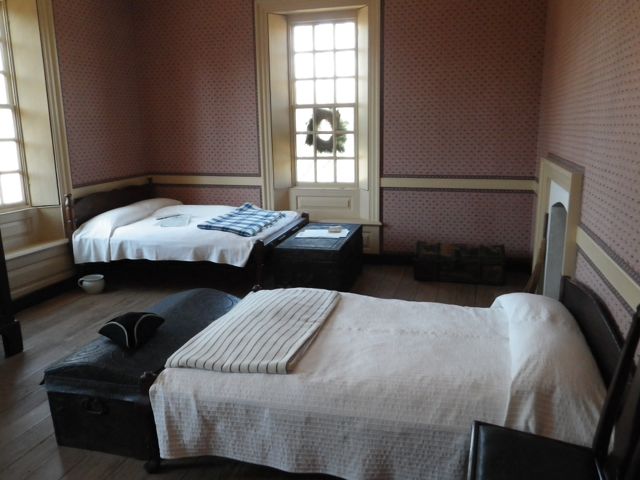
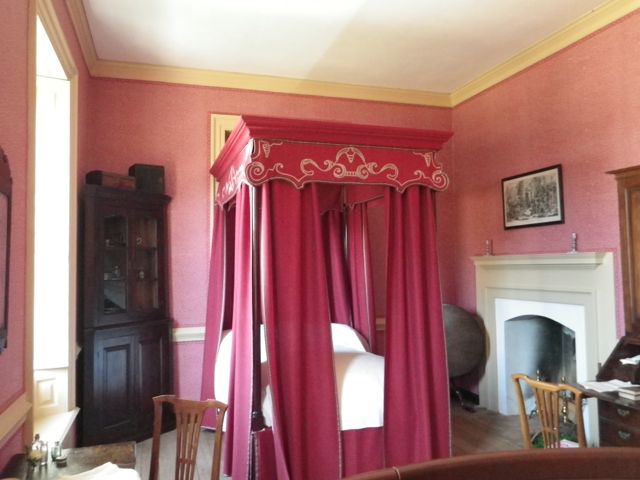
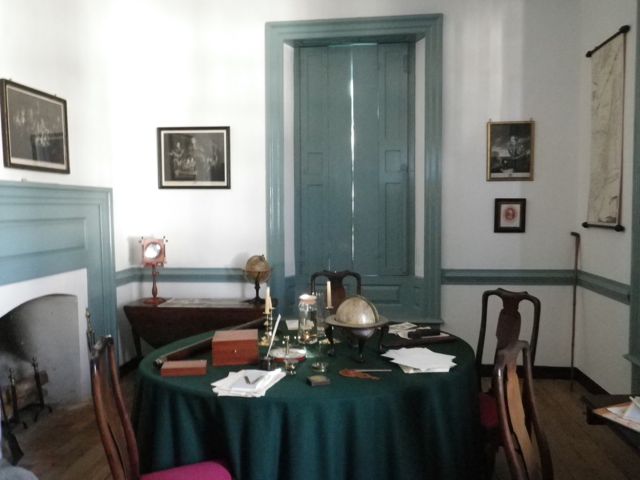
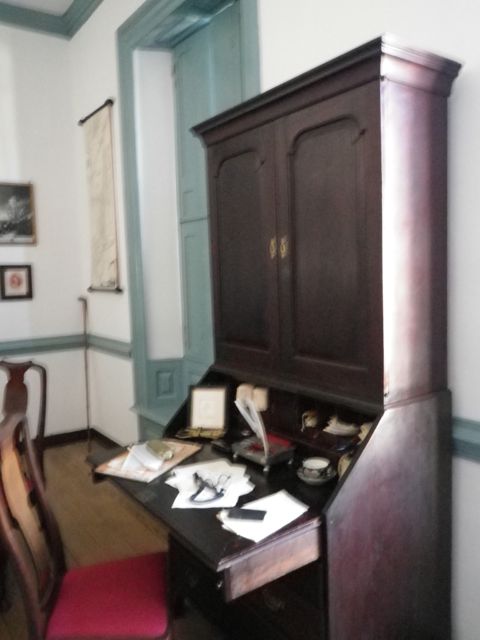
This is because the house is one of the few period buildings remaining and it even still has all the original 18th century woodwork, including the floors. Of greatest importance to most guests is this is the house where Thomas Jefferson studied law, so you can actually walk on the same floor and through the same doors as he did.

George Wythe was the first American law professor and a prominent opponent of slavery. The Wythe house was a wedding gift from his second wife’s father. They had no children, but they did received nieces and nephews regularly, as well as the Jeffersons.

Colonial Williamsburg, Part Two: The Governor’s Palace and Patrick Henry

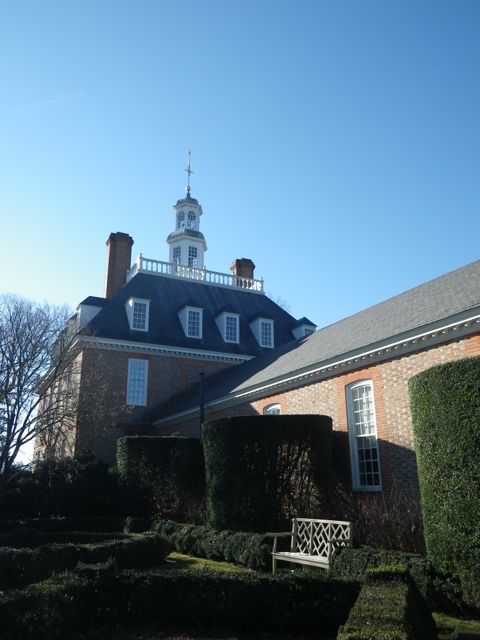
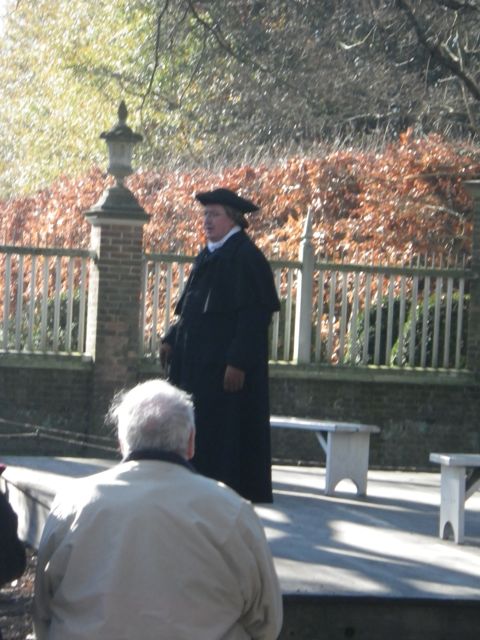
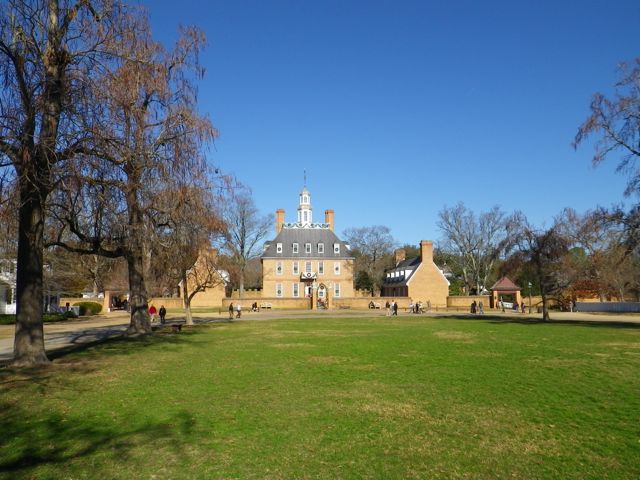
First stop in Colonial Williamsburg is the governor’s palace. A popular activity there is to listen to a speech by one of the founding fathers, Thomas Jefferson or Patrick Henry. The fellow who plays Jefferson apparently looks like him… because he is a direct descendent of him!

On the crisp morning of my visit, the talk was by Patrick Henry. Other than his “give me liberty or give me death” speech, I didn’t know much about him. With the talk being 45 minutes, I didn’t expect to stay through the whole thing. The reenactor was so good, that I hung onto every word! I really would suggest not missing this if you go to Williamsburg.

(As point of reference, by this point, it was 11:30 and I had already been in Colonial Williamsburg two and a half hours!)

All the open buildings in Colonial Williamsburg have an English flag outside the entrance. The governor’s palace did not. It was just open for private school tours. But we could wander around the grounds.

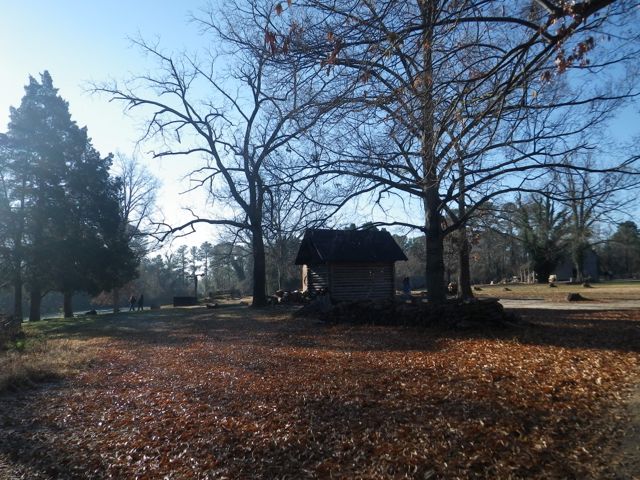
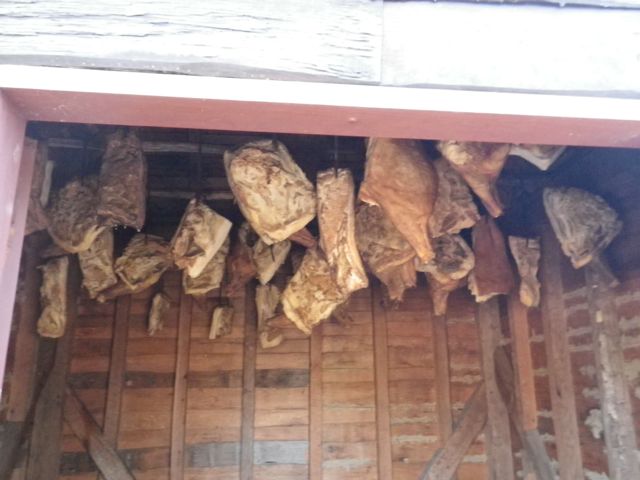
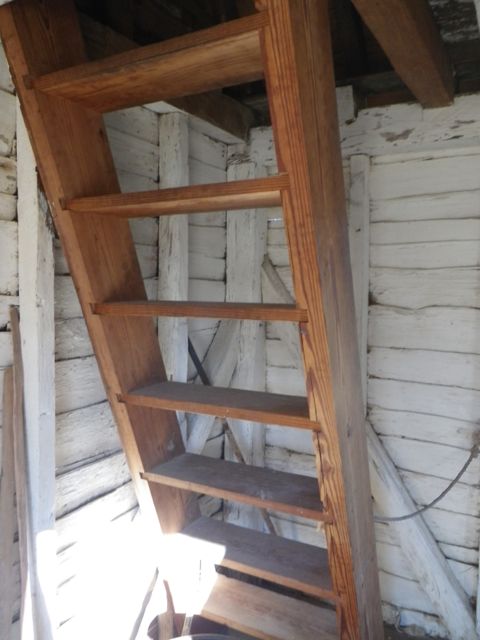
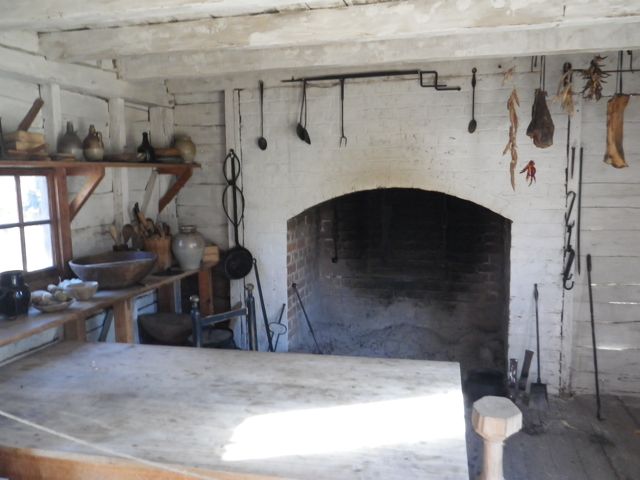
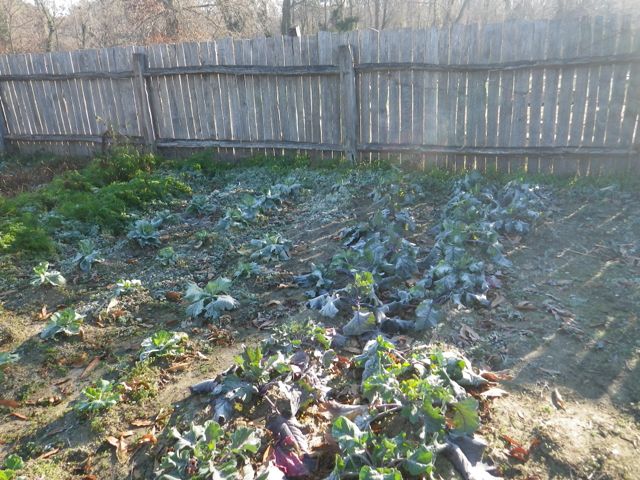
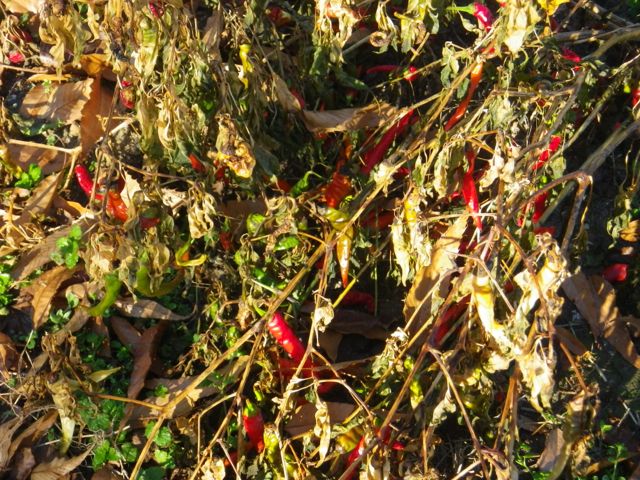
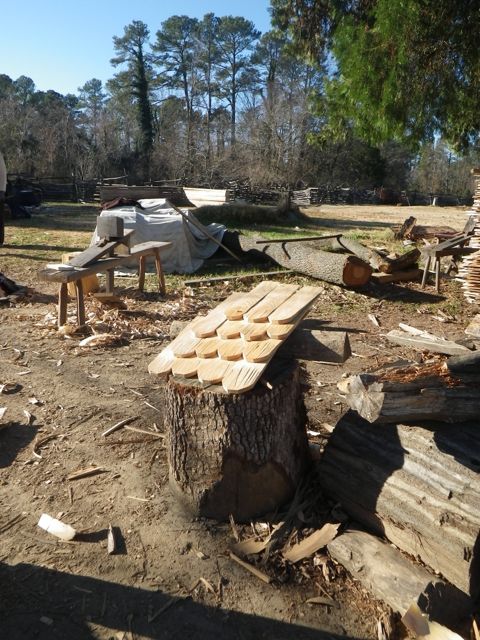
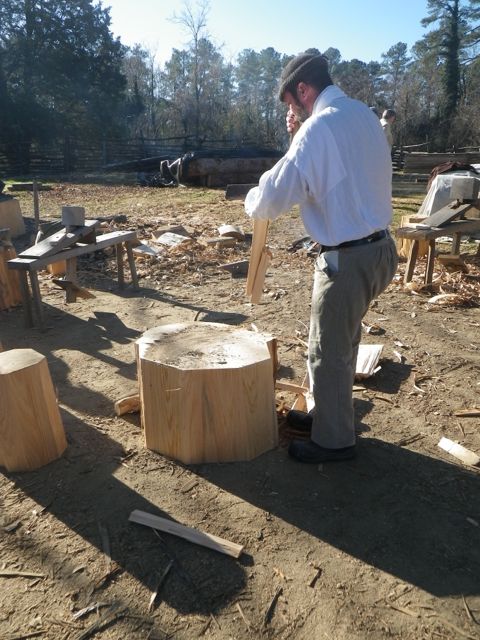
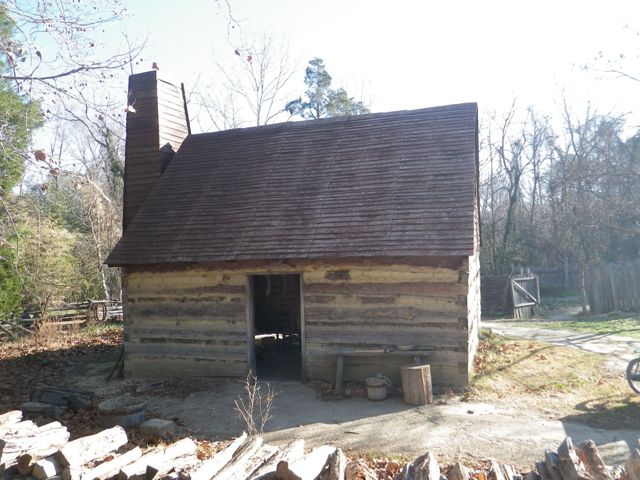
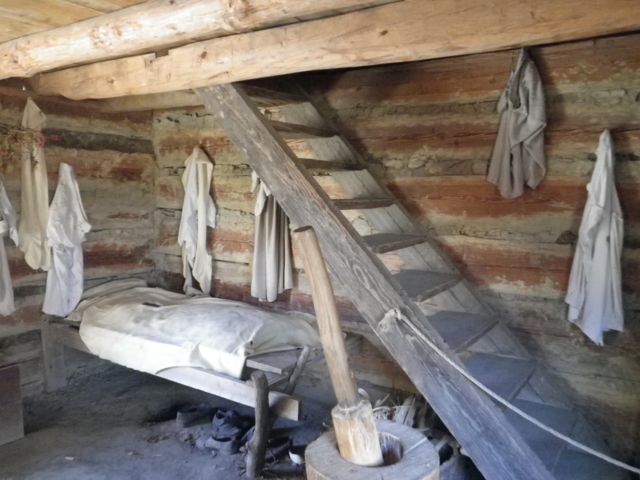
Colonial Williamsburg, Part One: Introduction and the Hopes Plantation

It is a very weary and happy time travel who posts tonight! My day in Colonial Williamsburg was much too full to do it justice in just one post, so I will be breaking it up into several.

Williamsburg is known as the Revolutionary City. It was the first capital of Virginia and the centre of political activity that would lead to the United States declaring its independence from England.

The historical part of the city, Colonial Williamsburg, is a huge living history museum set circa 1774, just before the American Revolution and the ratification of the Declaration of Independence. I’ll get a little more into some of the history as I work my way through the exhibits.

While Colonial Williamsburg is a living history museum, it is not like so many others I have visited where the costumed interpreters play a part and pretend they are actually living in that era. While they may take on the persona of an 18th-century whatever, they are still their 21st century selves and can answer questions as such.

In order to visit all the exhibits, you must purchase a ticket, which is $39.95 for one day. I got lucky and was able to buy my ticket through Groupon for $19.95. But, spoiler, $39.95 is a bargain!

My tips for Colonial Williamsburg: wear comfortable shoes, bring your own water and a picnic, don’t think you’ll find one-of-a-kind souvenirs, and if you absolutely want to pay huge prices for dinner, reserve very early to eat at one of the taverns. Yes, much of Colonial Williamsburg is a giant tourist trap, but one that is still well worth doing!
Plan a lot of time to visit Colonial Williamsburg properly. I arrived at 9AM and by noon I hadn’t even set foot in the core of the city yet! Many visitable buildings include tours of 20 to 45 minutes in duration and you can easily spend 10 to 15 minutes in each of the other ones watching demonstrations. I decided to work my way through the city, devote myself wholly to the activity in which I was engaged, and not bemoan missing anything when the day ended.
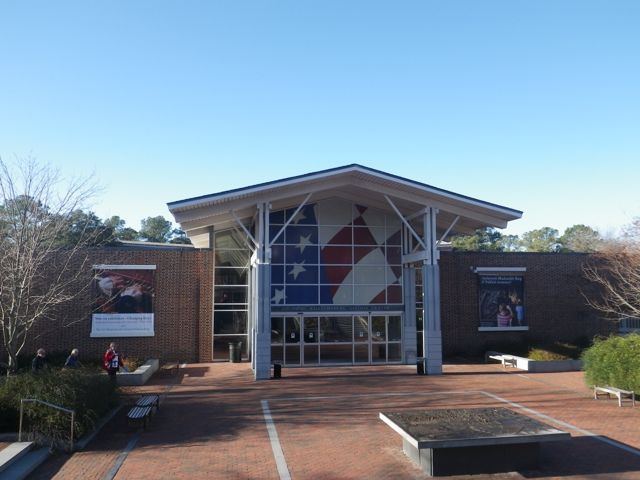
One interpreter gave me a valuable tip. While the town buildings and tours close at 5PM, the museum closes at 7PM. A good way to organize you day is to travel clockwise around the city, finish with the museum, and then hop on the free shuttle to get back to the Visitors’ Centre.

I don’t take notes, so the following pictures provide information I remember, but in no way encompass the whole of what I learned during my visit. You’ll just have to come to Colonial Williamsburg one day!